10 Reasons to Never Skip a Home Inspection When Buying in Colorado

May 23, 2025

Buying a home is one of the most significant investments a person makes. In Colorado, where the real estate market is vibrant and competitive, it is easy to get caught up in the excitement of finding the perfect home. 


What is a Home Inspection


A home inspection is an objective visual examination of a property’s physical structure and mechanical systems, from the roof to the foundation. It’s your opportunity to uncover potential problems. In Colorado, skipping this step can be risky due to the state’s diverse climate and terrain.


Why You Should Never Skip a Home Inspection in Colorado


Home inspection is a beneficial step as it can help you avoid spending money in the wrong place.


There are 10 reasons that you should never skip a home inspection in Colorado:


  • Colorado’s Unique Climate


Colorado’s climate varies significantly. Homes here face extreme cold, snow loads, intense UV exposure, and occasional flash floods. These environmental factors can lead to roof damage, cracked foundations, and compromised insulation. 


  • Older Homes Have Charm and Potential Problems


There are many beautiful older homes in Colorado. Such homes have a charm in them, and everyone wants to buy such homes. Meanwhile, such homes can hide issues like wiring, asbestos insulation, lead paint, and deteriorating plumbing. A detailed inspection can help you be sure that there’s nothing problematic in the home you are going to buy or live in.


  • Radon is a Real Concern


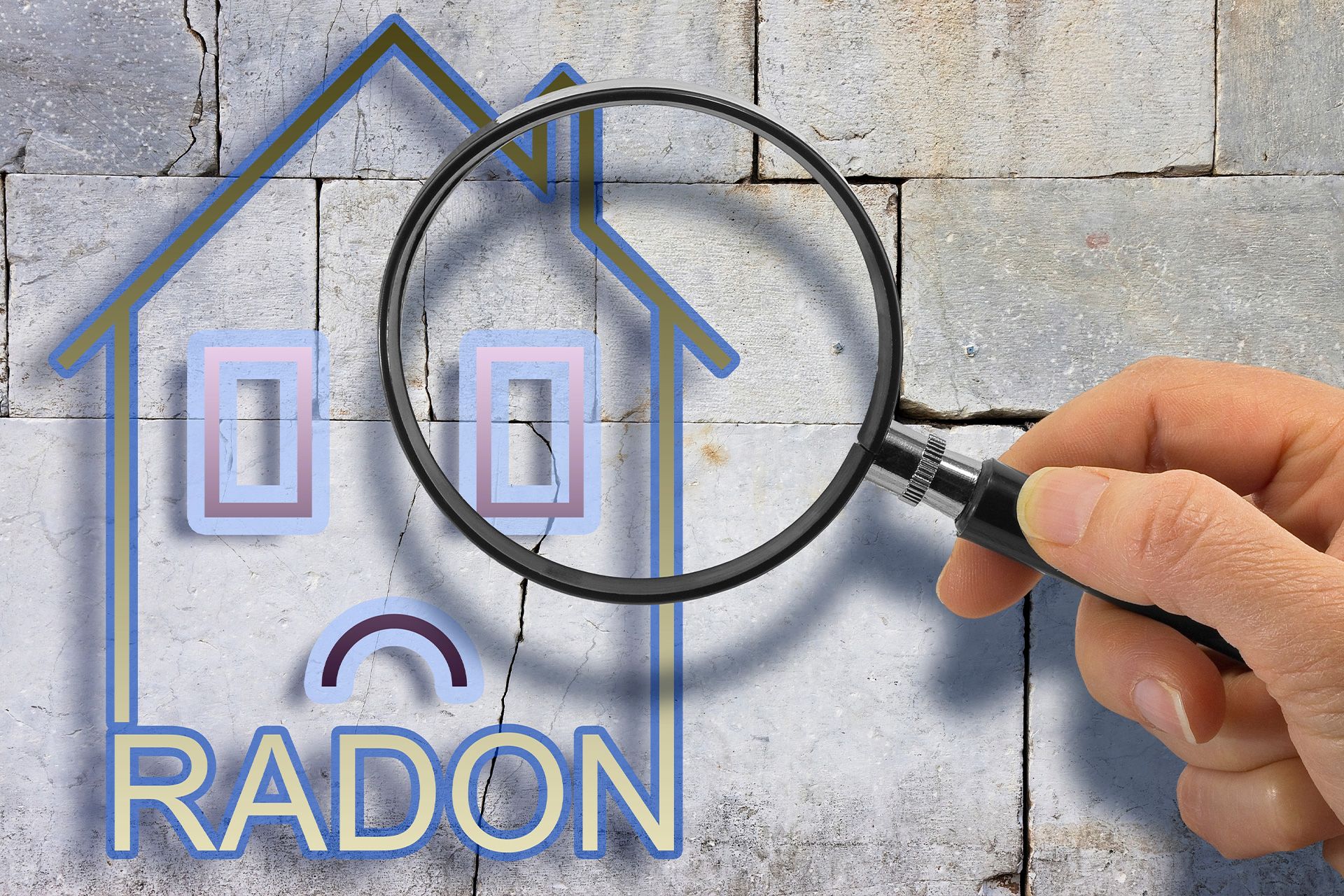
In Colorado, radon is a real concern. Radon is a naturally occurring radioactive gas that seeps into the home from the soil through cracks or gaps in the foundation. Long-term exposure of radon can cause serious health risks. Home inspectors in Colorado often conduct radon tests, giving buyers peace of mind or a chance to negotiate remediation.


  • Structural Integrity Could be Compromised


Some areas of Colorado are prone to expansive clay soils. These soils swell when wet and shrink when dry, putting enormous pressure on a home’s foundation. Over time, this can cause cracks in walls, uneven floors, and other structural issues. A home inspector can identify the early warning signs and recommend a structural engineer if needed.


  • Roofing Problems are Common and Costly


Hailstorms are frequent in Colorado. This means roofs often take a beating and may suffer from granule loss, broken shingles, or leaks. The insprctors here are trained to assess roof condition and estimate remaining life expectancy, it helps the buyers to avoid unexpected heavy expenses. 


  • HVAC Systems Need to Be Efficient


In Colorado’s fluctuating temperatures, a home’s heating and cooling systems should be in good condition to work efficiently. A home inspection can ensure that all the components of an HVAC system are in working order and that the system performs well in the home.


  • Plumbing Issues Can be Hidden and Hazardous


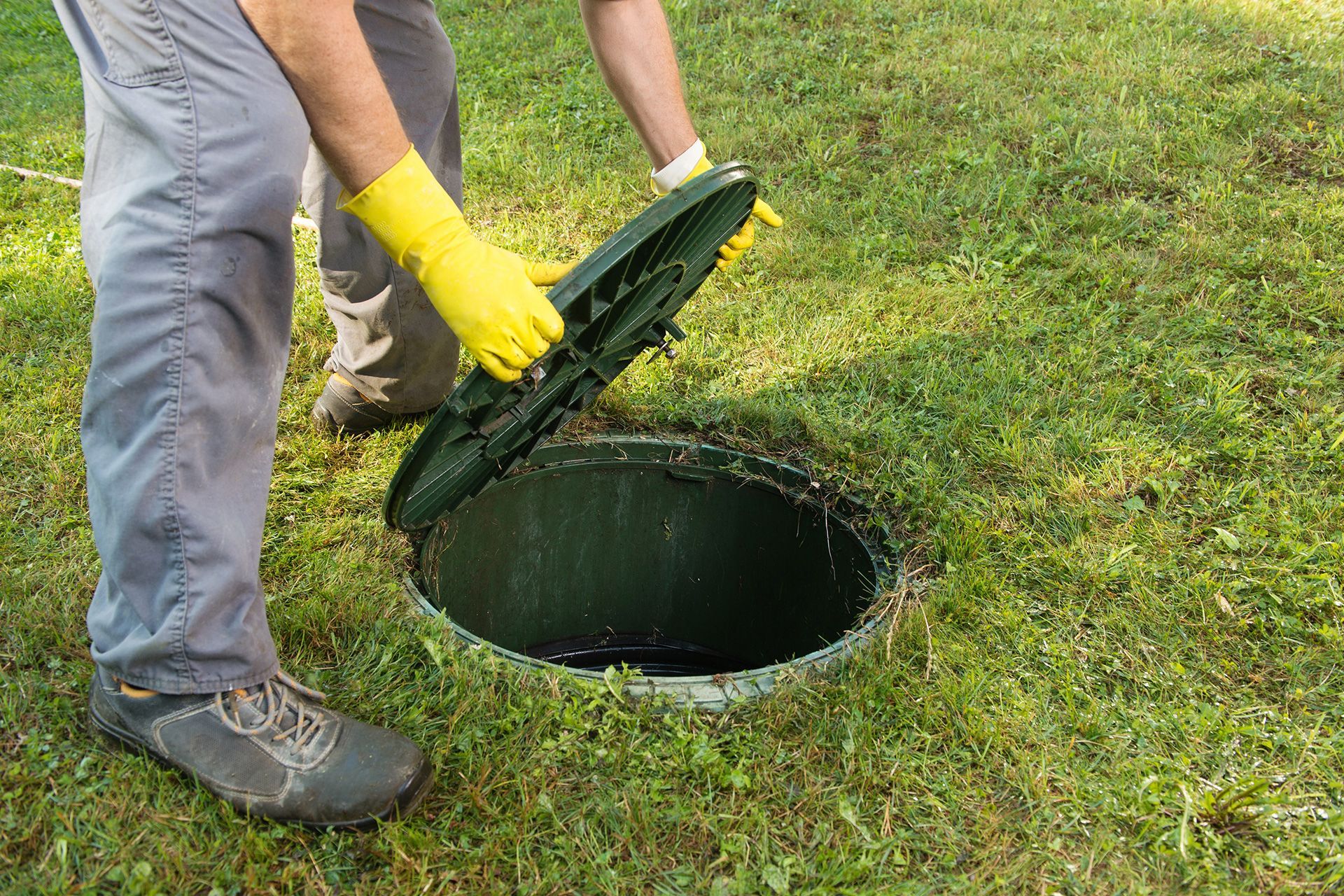
From freezing pipes in winter to aging sewer lines in older neighborhoods, Colorado homes face a variety of plumbing challenges. The home inspectors use specialized tools to test water pressure, identify leaks, and check for signs of corrosion or poor workmanship. Sewer scope inspections are often recommended for older homes to detect blockages or tree root intrusions.


  • Electrical Safety


Older homes may not meet the current electrical code, especially if previous homeowners have made DIY modifications. Faulty wiring is a fire hazard. A thorough inspection will uncover outdated panels, ungrounded outlets, and overloaded circuits. So, a home inspection ensures your home is safe for you and your family.


  • Negotiation Leverage and Cost-Saving Opportunities


A home inspection report is a powerful tool in negotiating the purchase price or requesting repairs. If significant issues are found in a home, you can negotiate for a lower price, ask the seller to make fixes, or receive credit at closing. Skipping an inspection means losing all such benefits and buying a home with hidden defects.


  • Peace of Mind for the Biggest Investment


A home inspection offers reassurance. It validates your investment in a competitive market like Colorado. It speeds up the buying process and gives you the confidence to buy your dream home. 


Benefits of a Home Inspection


A home inspection can provide several benefits for home buyers and sellers. For the buyers, the benefits are:


  • Uncovers the hidden issues in the installed systems
  • Provides evidence to negotiate the repairs
  • Provides peace of mind


For the sellers, the benefits are:


  • Informs about issues before listing, so it becomes possible to make essential repairs
  • Makes the selling process quick and transparent
  • Helps to win the confidence of the buyer


Conclusion


A home inspection is a must when it’s time for a property transaction. An inspection by a credible company reveals the actual condition of the building and helps both parties make a fair deal.


In Colorado, it is really important to get an inspection, because homes there can hide serious issues that can cost the buyers. Schedule an inspection if you are planning to buy a house, and let us tell you every single detail about it.

Disclaimer: The information on this website and blog is for general informational purposes only and is not professional advice. We make no guarantees of accuracy or completeness. We disclaim all liability for errors, omissions, or reliance on this content. Always consult a qualified professional for specific guidance.

Search Blog

Recent Posts
Certified radon testing inspection inside a home
May 11, 2026
Professional radon testing detects invisible gas levels in your home, ensuring safe indoor air quality and protecting your family's health and safety.
April 20, 2026
In this guide, we’ll explore the most common hidden issues found during home inspections and why they matter.
April 13, 2026
Buying or leasing a commercial property is a major financial decision, often involving long-term commitments, significant capital, and operational risks. Unlike residential properties, commercial buildings come with more complex systems, higher usage demands, and stricter safety and compliance requirements. This is why a commercial property inspection is not optional, it’s essential. A professional inspection gives you a clear, unbiased understanding of the building’s condition so you can make informed decisions, avoid unexpected expenses, and negotiate confidently. Whether you're purchasing an office space, retail center, warehouse, or multi-unit building, the inspection process can protect you from costly surprises. What Is a Commercial Property Inspection? A commercial property inspection is a detailed evaluation of a building’s physical condition and major systems. It identifies existing issues, potential risks, and maintenance needs that may impact the property’s value or usability. Unlike a simple walkthrough, a commercial inspection is systematic and comprehensive. It evaluates everything from structural integrity to mechanical systems, safety compliance, and long-term maintenance concerns. The goal is simple: reduce risk and provide clarity before you invest. Why Commercial Inspections Matter So Much Commercial properties are often high-value assets with multiple stakeholders involved, investors, tenants, lenders, and business owners. Even minor defects can lead to major financial consequences if left undetected. Here’s why inspections are critical. 1. Uncover Hidden Structural Issues The structural integrity of a building is one of the most important aspects of any commercial property. Unfortunately, many serious issues are not visible during a standard property tour. A professional inspection evaluates: Foundation stability Load-bearing walls Roofing structure Flooring systems Signs of settlement or shifting Structural problems can be extremely expensive to repair and may even render a property unsafe if ignored. By identifying these issues early, you avoid investing in a property that could become a financial burden. 2. Evaluate Electrical and Mechanical Systems Commercial buildings rely heavily on complex electrical and mechanical systems. These systems are more demanding than residential setups and often require significant upgrades or repairs over time. An inspection typically assesses: Electrical panels and wiring HVAC systems and ductwork Ventilation and airflow efficiency Emergency backup systems Faulty systems can lead to downtime, safety hazards, or high utility costs. Identifying inefficiencies early helps you plan repairs or negotiate pricing adjustments. 3. Identify Plumbing and Water-Related Risks Plumbing issues in commercial properties can escalate quickly due to higher usage and larger infrastructure networks. Inspectors check for: Leaks and water damage Pipe corrosion or aging systems Drainage performance Water pressure issues Undetected plumbing problems can lead to mold growth, structural damage, and costly emergency repairs. 4. Ensure Safety and Code Compliance Commercial properties must comply with local building codes, fire safety regulations, and accessibility requirements. Failure to meet these standards can result in legal issues, fines, or operational restrictions. A commercial inspection helps identify: Fire safety risks Emergency exit accessibility Structural code violations General safety hazards This is especially important for businesses that need to pass regulatory inspections before opening or renewing licenses. 5. Understand Long-Term Maintenance Costs One of the biggest advantages of a commercial inspection is gaining insight into future maintenance needs. Instead of reacting to breakdowns, you can plan ahead for: Roof replacement timelines HVAC system upgrades Exterior repairs Parking lot or drainage improvements This allows property owners and investors to build realistic financial forecasts and avoid unexpected capital expenditures. 6. Strengthen Negotiation Power A detailed inspection report gives buyers a strong advantage during negotiations. If issues are found, you can: Request repairs before closing Negotiate a lower purchase price Ask for seller concessions Plan post-purchase budgeting Without an inspection, buyers often lose leverage and risk overpaying for a property that requires significant repairs. 7. Protect Your Investment and Reduce Risk Commercial real estate is a long-term investment, and every decision impacts profitability. An inspection helps reduce uncertainty and protects your capital. Whether you plan to lease, occupy, or resell the property, understanding its condition ensures smarter decision-making and reduces long-term financial risk. 8. Improve Tenant Satisfaction and Retention If you are purchasing or managing a rental commercial property, building conditions directly affect tenant satisfaction. Well-maintained properties: Attract higher-quality tenants Reduce vacancy rates Increase lease renewal rates Command better rental prices Regular inspections help maintain property standards and ensure tenants remain satisfied and safe. 9. Avoid Unexpected Business Disruptions For business owners, building issues can interrupt operations. HVAC failures, plumbing leaks, or electrical problems can force downtime and revenue loss. A commercial inspection helps identify risks before they turn into operational emergencies, ensuring business continuity. When Should You Get a Commercial Inspection? You should schedule a commercial inspection in the following situations: Before purchasing a commercial building Before signing a long-term lease Before renovating or remodeling During annual property maintenance planning When purchasing older or previously occupied buildings Early inspection is always better than reactive repair. What a Commercial Inspection Report Includes A professional report is detailed and easy to understand. It typically includes: Summary of findings Photographic documentation Severity ratings of issues Safety concerns Recommended repairs or maintenance Cost-impact considerations This helps stakeholders make clear, informed decisions without confusion. Choosing the Right Inspection Partner Matters Not all inspection services are the same. Commercial properties require experience, attention to detail, and technical expertise. A qualified inspector should provide: Industry-standard evaluation methods Clear and unbiased reporting Strong technical knowledge of building systems Practical recommendations for repairs and maintenance Working with the right inspection company ensures accuracy and confidence in your investment decision. Final Thoughts A commercial property is more than just a building, it’s a long-term financial asset. Without a proper inspection, you are taking on unnecessary risk that could lead to expensive repairs, compliance issues, or lost revenue. A thorough commercial inspection provides clarity, confidence, and control. It helps you understand exactly what you are investing in and prepares you for the future with realistic expectations. Whether you're buying, leasing, or managing a property, inspections are one of the smartest steps you can take before making any major decision. Book your commercial property inspection today to protect your investment and make confident real estate decisions. FAQs
April 6, 2026
This guide breaks down a complete home inspection checklist for Colorado homebuyers so you know exactly what gets evaluated, and why it matters.
October 1, 2025
How would you know your water is contaminated if it’s clear? There’s a good chance you can’t tell but what if behind all that clarity, dangerous contaminants were lurking, such as arsenic, nitrates, and dangerous bacteria? This is a frightening situation, and it’s happening to you if you depend on a private well.

Contact Us