Commercial Property Inspection Services: What Business Owners Need To Know Before Investing
A commercial building can look like a promising investment during a showing. The location may suit your business, the interior may look updated, and the available space may offer room to grow. However, the property’s appearance tells only part of the story. Aging equipment, drainage problems, damaged roofing, and deferred maintenance may affect your plans once you take ownership.
A commercial property inspection helps business owners assess a building's visible physical condition before making a major investment. It can flag issues that need attention, identify areas that require specialist review, and provide useful information for purchase discussions.
The goal is not to find a perfect building. The goal is to understand what you are buying, how the property supports your business, and what responsibilities may come with ownership.
Does The Building Fit Your Business?
Evaluate a property based on how you plan to use it. A building that works well for one business may need major changes before another company can move in.
For example, a restaurant has different ventilation and plumbing needs than an office. A warehouse may need loading access, suitable floor capacity, and space for equipment. A retail store may depend on safe customer access and a practical interior layout.
Before investing, ask yourself:
- Will the space support daily operations? Consider customer movement, deliveries, storage, equipment, and employee needs.
- Are major changes planned? New restrooms, walls, kitchens, or equipment may require design work, permits, and additional evaluations.
- Can the property support future growth? Think about expansion, changing operations, and possible tenant requirements.
These questions help establish the purpose of a business property assessment before the physical review begins.
Looking Beyond Fresh Paint And Updated Finishes
Renovated interiors can create a strong first impression. New flooring, paint, lighting, and fixtures may make an older building feel modern, but these improvements don't reveal the condition of the systems behind them.
A recently updated office may still have an aging roof or outdated heating equipment. A clean warehouse may have drainage concerns around the loading area. A retail building may have worn plumbing hidden behind attractive finishes.
Business owners should separate cosmetic improvements from building performance. Understanding that difference can help prevent post-purchase surprises and support more realistic maintenance planning.
What A Physical Building Review Typically Covers
The exact scope depends on the property type, size, accessibility, and agreed services. A commercial property evaluation generally focuses on visible and accessible building components rather than hidden or destructive testing.
Major areas may include:
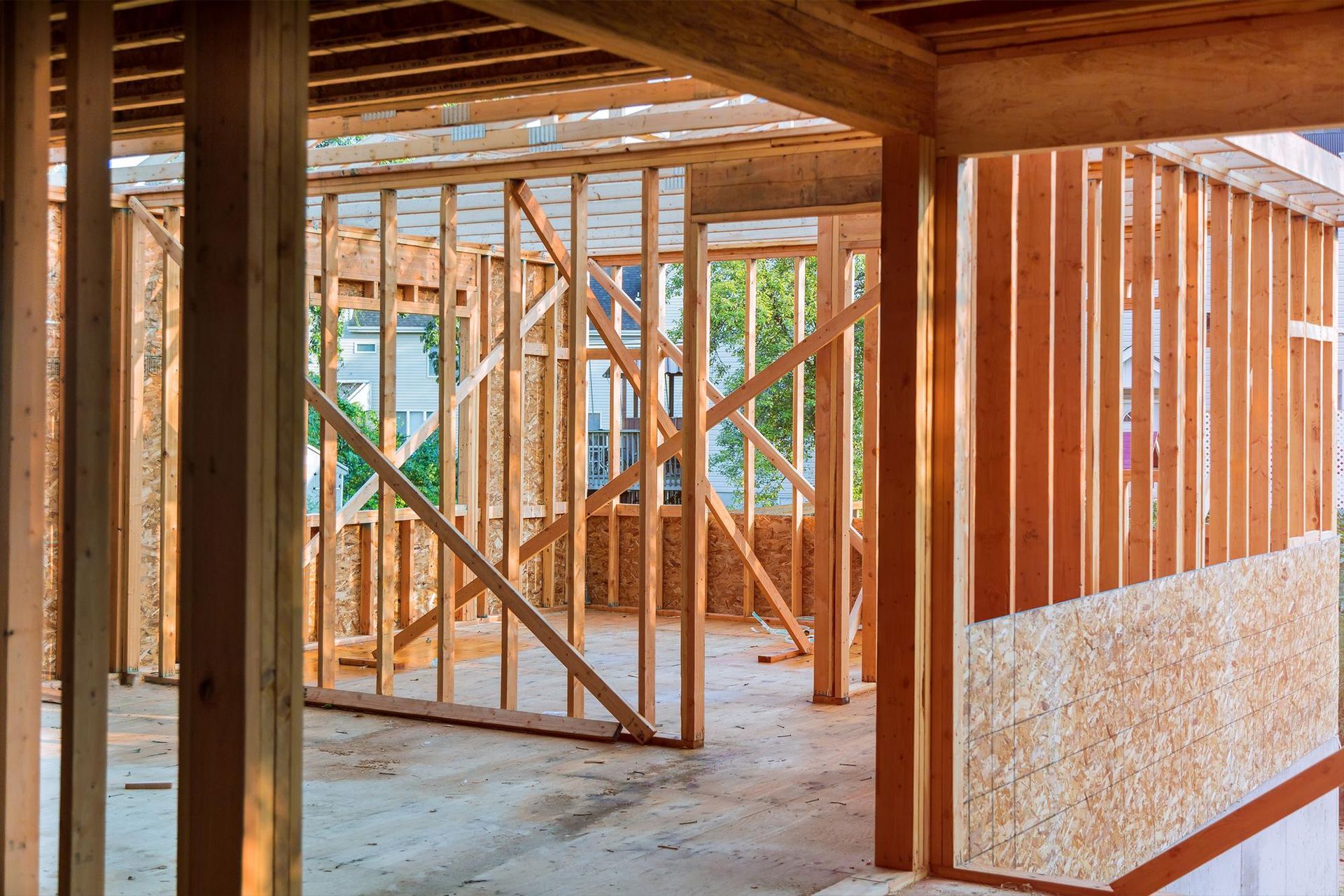
- Structure and building exterior: Inspectors review visible foundation areas, walls, framing, doors, windows, and signs of movement or deterioration.
- Roofing and drainage: Roof coverings, flashing, accessible drainage components, and visible moisture concerns may reveal conditions needing attention.
- The inspection scope includes Mechanical, electrical, and plumbing systems and utility systems, including heating, cooling, plumbing, electrical equipment, and related accessible components.
- Interior and site features, including floors, ceilings, stairs, walkways, pavement, and other accessible areas, may show wear, damage, or maintenance issues.
Some properties contain specialized equipment or complex systems that require separate evaluations by qualified professionals.
How Building Problems Can Interrupt Operations
Physical defects matter because they can affect how a business operates. A roof leak above a storage area may damage inventory. A failing heating system can affect employee comfort. Poor drainage near an entrance can interfere with customer access.
The effect depends on the business and the affected area. A plumbing issue in an unused room may be less disruptive than the same problem in a busy restaurant kitchen.
During due diligence, consider what would happen if an affected system stopped working. Would part of the building need to close? Could deliveries continue? Would tenants or customers need another entrance?
Connecting building findings to real operations makes the report more useful than treating every defect as an isolated repair item.
Older Properties Need A Closer Look At Maintenance History
An older building is not automatically a poor investment. Many properties remain useful because owners maintain key systems and address issues as they arise.
The challenge is understanding what work is already complete and what remains. Requesting available records can help explain the building’s history.
Useful documents include:
- Roof and equipment records, including installation dates, service logs, warranties, and repair information, can help clarify the history of major components.
- Previous reports: Earlier inspection findings may show whether a known concern was addressed or requires another look.
- Alteration and repair documents: Available permits, contractor records, and descriptions of completed work can help explain changes to the property.
Missing paperwork does not prove that a building has problems. It does mean buyers may need additional information before relying on assumptions about its condition.
The Outside Of The Property Matters Too
Commercial investments extend beyond the building walls. Parking areas, loading spaces, walkways, drainage, and exterior access can affect daily operations.
For example, damaged pavement may create problems for delivery vehicles. Poor grading may direct water toward the foundation. Loose railings or uneven walking surfaces may warrant attention in areas where customers and employees move through the property.
Snow, ice, and changing temperatures make exterior access and drainage particularly relevant. Buyers should consider how the site performs year-round, not just during a pleasant-weather showing.
A physical review can identify observable concerns, while zoning, permitted uses, and specific accessibility requirements may call for separate professional or official review.
Understanding The Limits Of The Evaluation
A building review provides valuable information, but it cannot answer every question. Inspectors generally review visible and accessible conditions within an agreed scope. They do not automatically open walls, uncover buried pipes, calculate structural capacity, or certify compliance with every applicable code.
The distinction matters when purchasing a property for a new use. A visible electrical panel may appear to be in reasonable condition, but determining whether it can support major new equipment may require an electrical contractor or engineer.
A business property assessment should clearly explain what was reviewed, which areas were inaccessible, and when further investigation may be appropriate.
Understanding these limits prevents buyers from treating a report as a guarantee of future building performance.
When Additional Specialists May Be Needed
Some findings raise questions that a general physical review cannot resolve. A buyer may need more detailed information before deciding how to proceed.
Examples include persistent water intrusion, unusual structural movement, repeated sewer backups, or mechanical equipment that does not appear to operate properly.
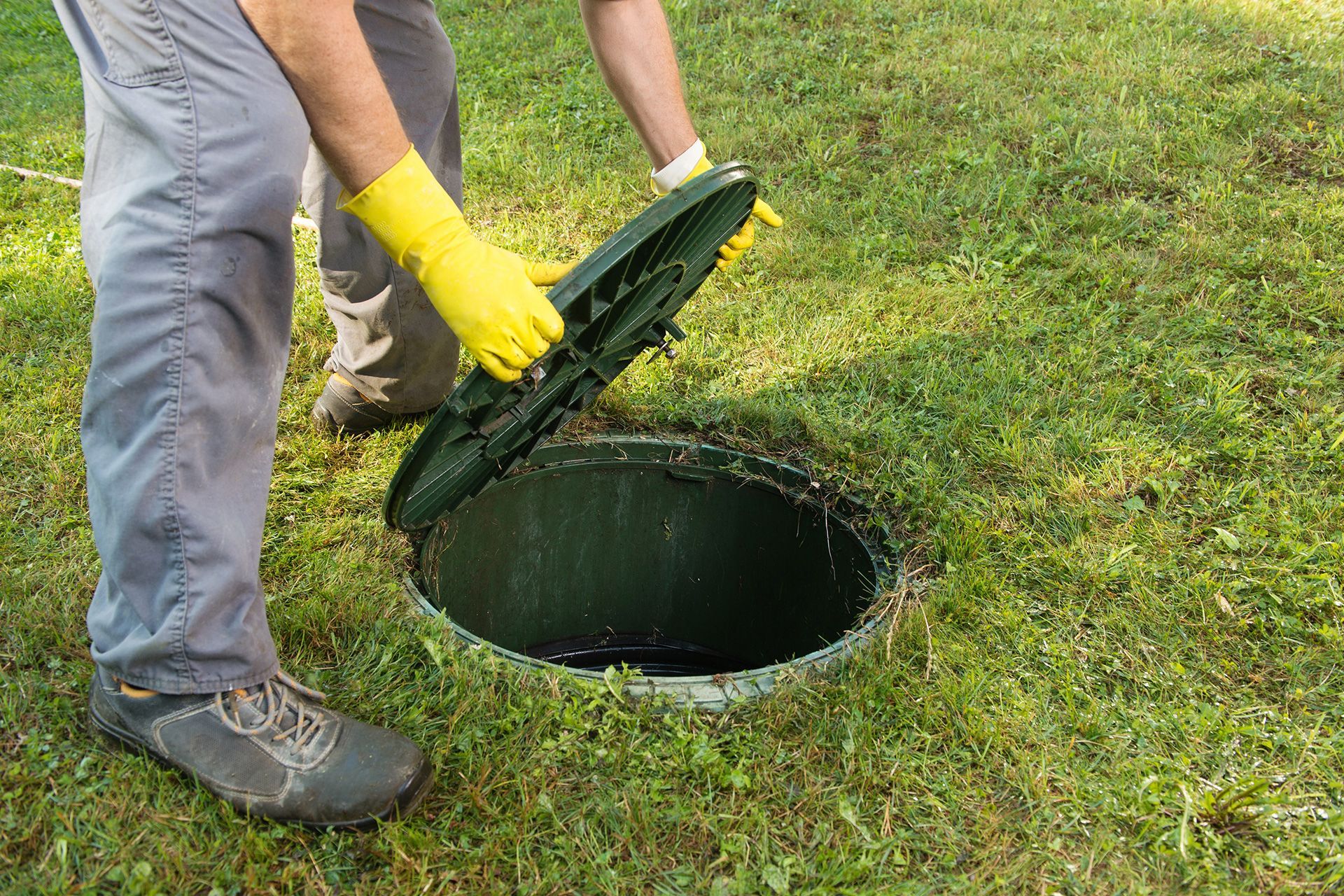
The next step depends on the concern. A structural engineer may assess movement or support issues. A roofing contractor may investigate active leaks. A sewer camera inspection may provide information about an underground line. An environmental professional may be needed for questions about possible contamination or hazardous materials.
Additional services should follow the property’s actual conditions and intended use, not a standard list applied to every building.
Turn Findings Into An Ownership Plan
Inspection findings become most useful when owners consider their timing and effect. A minor finish defect and an active leak should not receive the same response.
Review the report and separate findings into immediate concerns, planned improvements, and routine maintenance. Significant items may need specialist opinions before you decide how to address them.
A commercial property evaluation can also help you determine whether a building still aligns with your business goals. If a property needs major work before opening, that may affect your move-in plans. If you plan to replace certain components during a renovation, their current condition may affect your decision.
Prepare Before The Due Diligence Deadline
A rushed inspection leaves less time to review findings or arrange follow-up work. Schedule the appointment early enough to understand the report before important contractual deadlines.
Before the visit, confirm access to roofs where safe and permitted, mechanical rooms, electrical areas, vacant units, and other relevant spaces. Share available maintenance documents and explain any planned changes to the property.
After the report arrives, ask questions about unclear findings and arrange specialist reviews where needed. Your real estate and legal advisers can help you understand how the findings relate to the transaction documents.
Preparation gives you room to make an informed decision rather than respond at the last minute.
Conclusion
Investing in commercial real estate requires a clear understanding of the building, not just its location or appearance. Reviewing major systems, maintenance history, site conditions, and possible operational concerns helps business owners evaluate whether a property supports their plans.
Blue Spruce Inspections provides commercial building evaluations for business owners and investors in the Denver Metro Area. Our team documents visible findings and explains them in clear language to support your next steps.
Contact us to schedule your commercial property inspection before investing.
Frequently Asked Questions
Should I inspect a building that was recently renovated?
Yes. Renovations may improve finishes without replacing older roofing, plumbing, electrical, or mechanical components. Ask which systems were updated and which remained unchanged.
Can a report tell me how long equipment will last?
It may document visible condition and available age information, but it cannot predict an exact failure date. A specialist may be needed for a more detailed equipment review.
What if tenants occupy the property?
Arrange access in advance with the seller or property manager. Occupied rooms, locked areas, or active operations may limit what can be reviewed.
Is an environmental assessment included?
Not automatically. Environmental concerns generally require a separately defined scope and, when appropriate, an environmental professional.
Can I use findings during purchase discussions?
Yes. Findings can help you ask informed questions and discuss possible repairs or transaction terms. Available options depend on your agreement and the advice of your real estate professionals.
Disclaimer: The information on this website and blog is for general informational purposes only and is not professional advice. We make no guarantees of accuracy or completeness. We disclaim all liability for errors, omissions, or reliance on this content. Always consult a qualified professional for specific guidance.
Search Blog
Recent Posts