Why Every Home Needs Professional Radon Detection Services
A home can feel safe because everything looks clean, dry, and well-maintained. The air may smell normal. The basement may look finished. The foundation may show no obvious cracks. But radon does not give homeowners visible warning signs.
Radon is an indoor air concern that can only be understood through testing. It may affect new homes, older homes, homes with basements or crawl spaces, and homes built on slabs. That is why professional home radon detection services matter for buyers, sellers, and long-term homeowners.
This guide explains why every home should be checked, when testing is most useful, and how professional results can help you make informed decisions about your indoor environment.
Radon Is A Measurement Issue, Not A Visual Defect
Many home concerns leave clues. A roof leak may leave a ceiling stain. A plumbing issue may create damp cabinets. An electrical issue may cause flickering lights. Radon is different because it does not behave like a visible building defect.
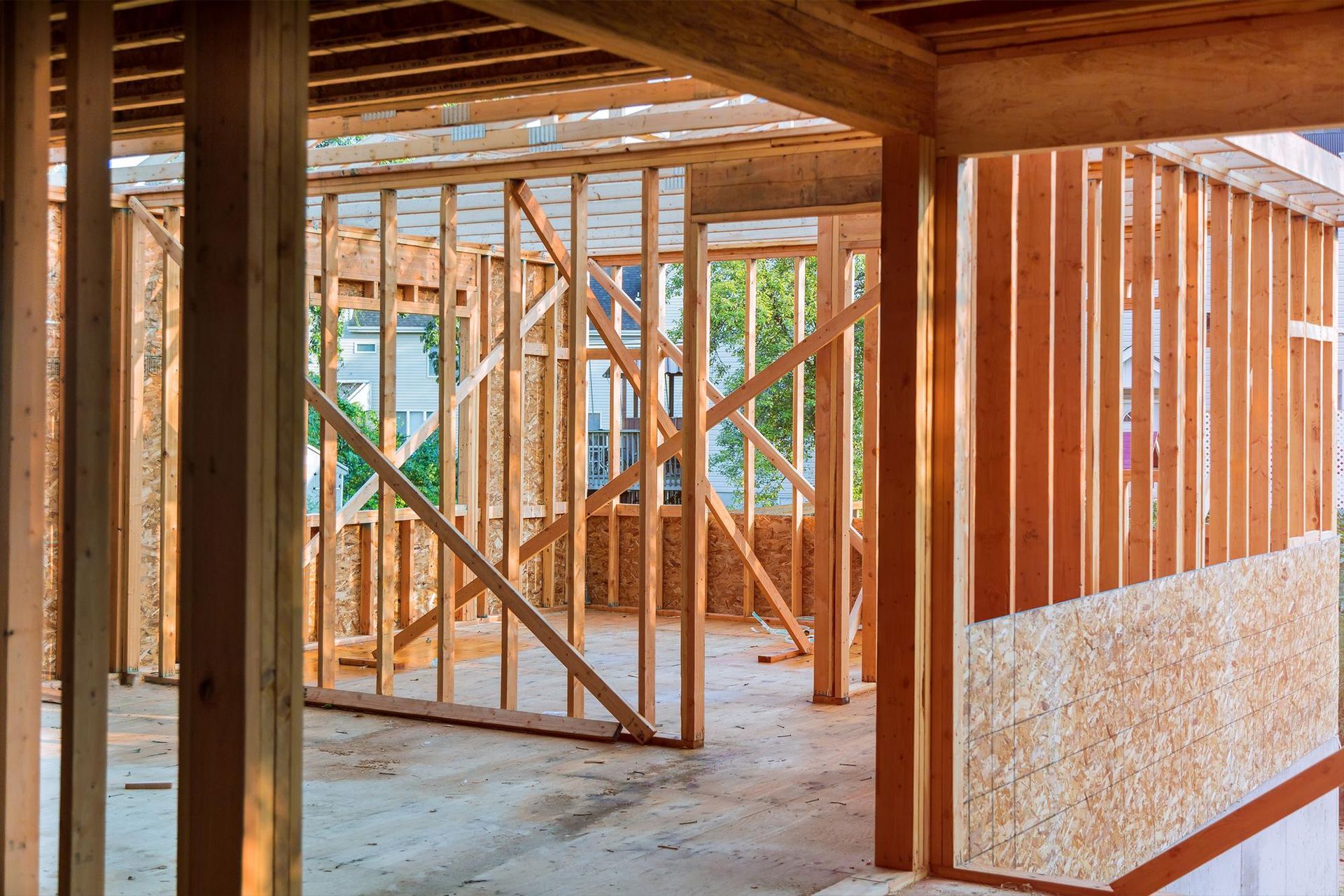
Radon comes from soil, rock, and groundwater beneath or near the home. It can move through the ground and enter via small openings in the property's lower levels. Once inside, it may build up depending on ventilation, pressure changes, foundation details, and soil conditions.
Because it cannot be seen or smelled, homeowners should treat radon as a measurement issue. The question is not whether the home looks safe. The real question is what the test results show.
Why Professional Detection Is Better Than Guesswork
A radon test must be placed correctly and left undisturbed for the duration of the testing period. Doors, windows, air movement, and device location can all affect the quality of the reading. Professional testing helps reduce errors that may happen when homeowners are unsure where or how to test.
Professional residential radon safety testing also provides documentation. This is especially important during a real estate transaction, when buyers and sellers need clear information they can review and share.
A professional inspection company can explain where the device should be placed, what conditions to maintain, and what the results mean once testing is complete.
When Radon Testing Matters Most
Radon testing is useful at many points in homeownership. Some situations are especially serious because the outcome may affect a decision, a deadline, or a safety plan.
- Before buying a home: Buyers should know the radon level before closing. Testing can help them determine whether further action is needed.
- Before listing a property: Sellers may choose testing before going on the market so they are not surprised later in the transaction.
- After finishing a basement: Basement changes can affect airflow, living space use, and foundation conditions, so retesting can be helpful.
- After major renovations: New windows, insulation, HVAC changes, foundation work, and structural updates may change how air moves through the home.
- After mitigation work: If a radon reduction system is installed, follow-up testing helps confirm whether levels were reduced.
These moments are practical times to schedule residential radon safety testing because the information can guide the next step.
What Professional Radon Detection Looks Like
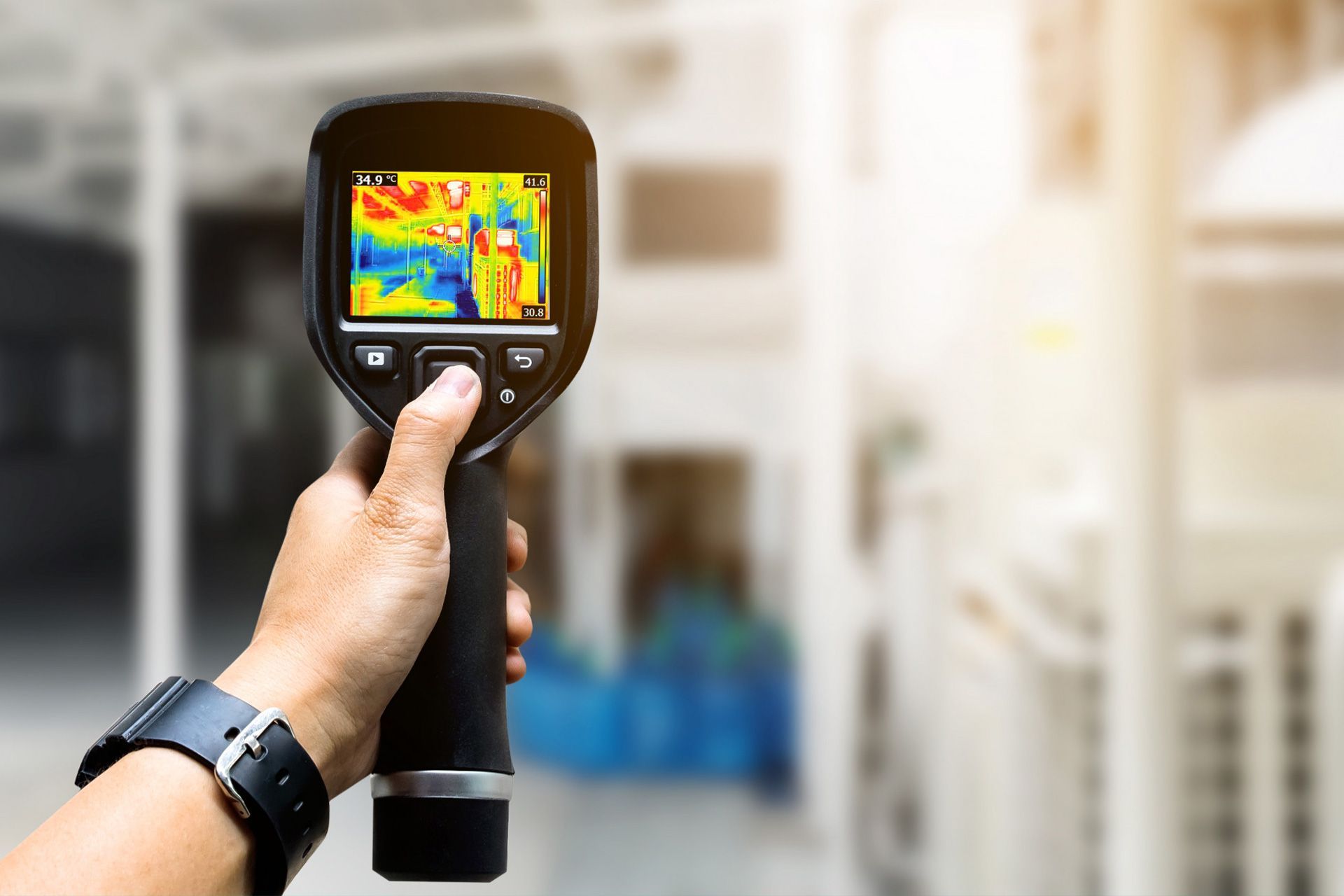
Professional testing is usually simple for the homeowner. The inspector places the testing device in the appropriate area of the home, often the lowest livable level. The device stays in place for the required testing period.
During testing, the home may need to follow closed-house conditions. This usually means keeping windows and exterior doors closed except for normal entry and exit. Heating and cooling systems can often run normally, but you may need to avoid whole-house fans or unusual ventilation changes.
After the testing period, the inspector collects the device or reviews the data. The homeowner receives results that explain the measured radon level and whether the level calls for further action.
Understanding Radon Levels Without Confusion
Radon is measured in picocuries per liter of air, often written as pCi/L. The lower the number, the better. No level is considered completely risk-free, but higher levels raise greater concern.
The EPA recommends taking action when a home tests at 4 pCi/L or higher. Homeowners may also consider reducing levels between 2 and 4 pCi/L, especially when they want to lower long-term exposure as much as practical.
Home radon detection services are not meant to alarm homeowners. The purpose is to provide clear information so homeowners can consider the right next step.
Why One Test Result Should Not Be Ignored Forever
Radon levels can change over time. A result from many years ago may not reflect current conditions. Home updates, foundation changes, ventilation changes, and seasonal conditions can all influence indoor radon levels.
This is why homeowners should keep records of past tests and consider retesting periodically. A test from a previous owner may be useful history, but it should not always be treated as a permanent answer.
For long-term homeowners, testing every few years can be part of a smart indoor air quality plan. For buyers, testing during the purchase process creates a baseline before moving in.
How Radon Detection Helps Real Estate Decisions
Radon testing can be valuable for both buyers and sellers. Buyers gain a clearer understanding of the home before closing. Sellers may reduce surprises by testing before listing or by being prepared to answer buyer questions.
A clear report can also make conversations easier. Instead of guessing, both sides can review the actual result and decide whether further steps are needed.
For homeowners who are not buying or selling, radon testing services still provide value. The result can guide future maintenance, mitigation decisions, and indoor air planning.
What Happens If Levels Are Elevated?
An elevated radon result does not mean the home cannot be lived in or sold. It means action should be considered. Radon mitigation systems reduce indoor radon levels by directing soil gas away from the home. To better understand the testing process and potential health concerns, read our guide on what radon testing is and why it matters for your health.
The exact solution depends on the property. A qualified mitigation professional may recommend a system based on foundation type, crawl space conditions, slab design, and other factors.
After mitigation, another test is often used to confirm that the system is working as intended.
Conclusion: Choosing The Right Provider
When selecting an inspection company, look for experience, proper testing practices, clear communication, and easy-to-understand reporting. The provider should explain the process before the test and review the results afterward.
Every home deserves clear information about indoor radon levels. Radon cannot be seen or smelled, and a home's appearance does not indicate whether elevated levels are present. Professional testing gives homeowners, buyers, and sellers the facts they need to make informed decisions about indoor air quality.
Blue Spruce Inspections provides careful radon evaluations with clear reporting and practical guidance. Our team helps clients understand the testing process, review results, and decide when additional steps may be needed.
Schedule your radon inspection today and take a smart step toward a healthier home environment.
Frequently Asked Questions
Can any home have a radon problem?
Yes. Radon can affect new homes, older homes, homes with basements, homes with crawl spaces, and homes built on slabs.
How long does radon testing take?
Many short-term radon tests take at least 48 hours. The exact timing depends on the testing method and conditions required for accurate results.
Should I test if my neighbor’s home has low radon?
Yes. Radon levels can vary from one home to another. Your neighbor’s result does not confirm the level inside your home.
What should I do if my radon level is elevated?
Speak with a qualified radon mitigation professional about options to reduce indoor radon levels. Follow-up testing can confirm whether the system is working as intended.
Is radon testing useful before selling a home?
Yes. Testing before listing can help sellers understand indoor radon levels and answer buyers' questions with greater confidence.
Disclaimer: The information on this website and blog is for general informational purposes only and is not professional advice. We make no guarantees of accuracy or completeness. We disclaim all liability for errors, omissions, or reliance on this content. Always consult a qualified professional for specific guidance.
Search Blog
Recent Posts