Is Testing Your Home for Mold Worth It, or Is It a Scam?
A musty smell, a water stain, or dark growth on a wall can make homeowners wonder whether they need laboratory sampling. The answer is not always yes. Sometimes a sample can provide useful information. In other situations, it may tell you little that changes what should happen next.
Mold spores naturally exist indoors and outdoors. Finding spores in a sample does not automatically prove a house has a serious moisture problem. The more useful question is whether mold is actively growing inside the property, what is providing the moisture, and whether the findings will affect your next decision.
Knowing when sampling matters can help homeowners avoid unnecessary fear while still taking real moisture concerns seriously.
Is Mold Testing a Scam?
No, the mold testing itself is not automatically a scam. Laboratory analysis can identify mold particles collected from air or surfaces, and sampling can be useful in certain situations.
Problems begin when results are presented without context or used to frighten homeowners into expensive work.
For example, a report may identify several types of spores in indoor air. That can sound alarming until you remember that spores are common in the environment. The presence of spores alone does not explain whether mold is actively growing inside the building.
Another limitation is that no federal concentration standard turns an indoor air sample into a simple pass-or-fail result. Interpretation requires context, including outdoor conditions, moisture history, visible findings, sample locations, and the reason the samples were collected.
A useful evaluation should answer a real property question rather than simply produce a laboratory report.
Start With The Building, Not The Sample
Before collecting air or surface samples, look at what is happening in the property.
Mold needs moisture. That moisture may come from plumbing leaks, roof problems, condensation, basement seepage, high humidity, poor bathroom ventilation, or past flooding.
A careful assessment may start with:
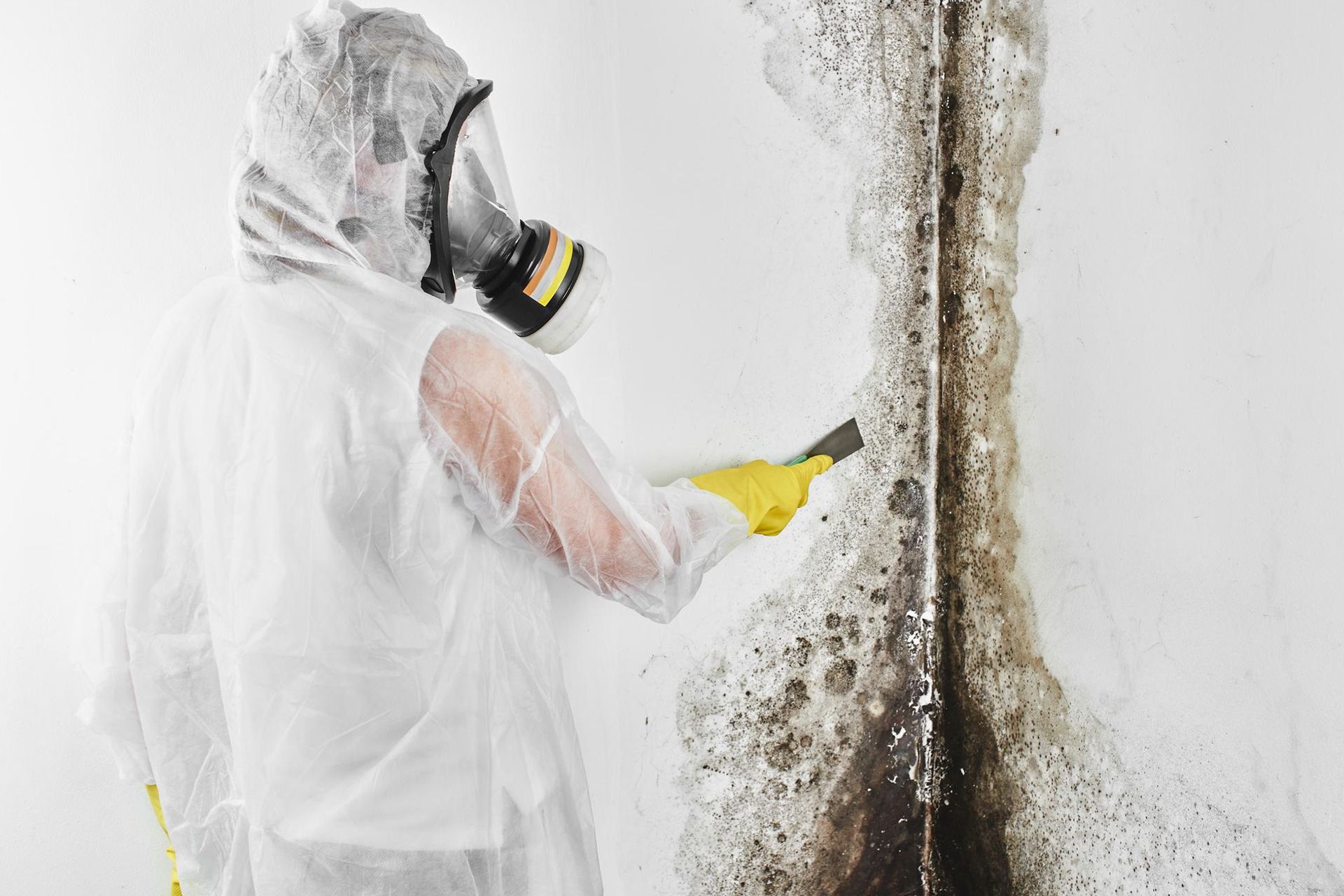
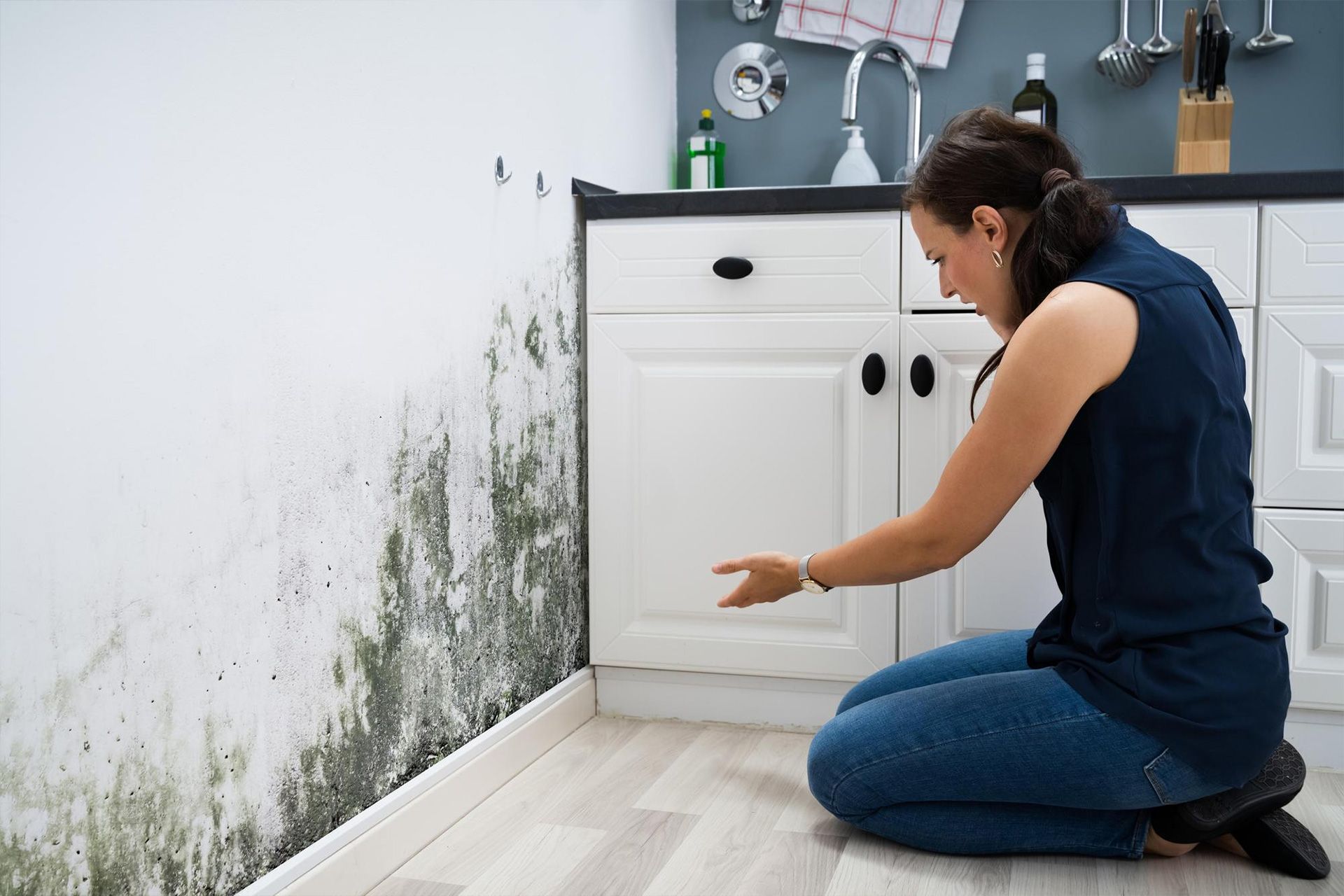
- Visible staining or growth: Walls, ceilings, cabinets, attic sheathing, and basement surfaces can show where moisture has been present.
- Musty odors: A persistent odor without obvious visible growth may suggest damp materials nearby.
- Past water events: Roof leaks, appliance failures, plumbing problems, and flooding can leave moisture inside materials long after surface water disappears.
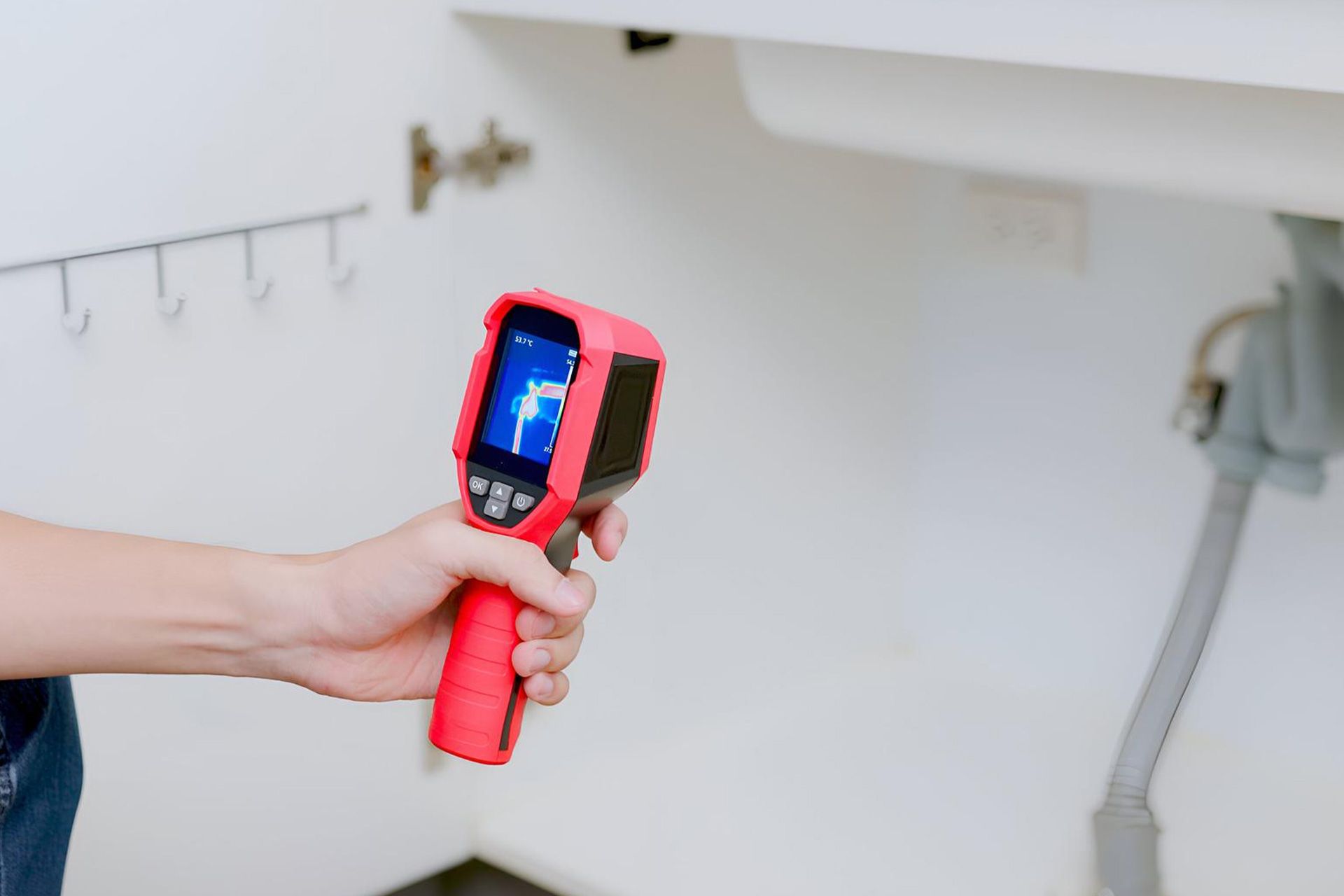
- Moisture readings: A moisture meter or thermal camera may help identify areas that deserve closer investigation when used and interpreted properly.
Finding the moisture source is usually more important than identifying the exact name of a mold species.
When Is Mold Testing Necessary?
Sampling is most useful when the results can answer a specific question or change what happens next. Situations where it may be considered include:
- The source is unclear: A home smells musty, but there is no visible growth and no obvious leak. Strategic air or surface samples may provide additional information when combined with a building assessment.
- A real estate transaction needs documentation: Buyers or sellers may want additional information about a suspicious area before deciding how to proceed.
- Post-remediation verification is needed: After cleanup, surface or air samples may be used along with visual and moisture checks.
- There is a dispute about an unknown substance: A surface sample may help determine whether discoloration is fungal growth, dirt, soot, or another material.
- A qualified professional recommends sampling for a defined reason: The key is knowing what question the result is expected to answer before collecting anything.
Random sampling without a clear purpose can create more confusion than useful information.
Visible Growth Changes The Question
When visible fungal growth is already present, proving it may add little value.
Suppose a bathroom ceiling has recurring dark growth and the exhaust fan does not work properly. The practical issue is clear: excess moisture is allowing growth.
Likewise, if a plumbing leak has soaked drywall and visible growth has developed around the damaged area, identifying every species may not change the immediate priorities.
Those priorities usually include stopping the water source, determining the extent of affected materials, drying the area, and deciding how to handle cleanup.
Sampling may still be appropriate for a specific reason, but it shouldn't delay fixing an obvious moisture problem.
Is Professional Mold Testing Worth It?
It can be worthwhile when a trained home inspector develops a property-specific sampling plan rather than simply collecting random air samples.
A professional should consider the building history, suspected moisture source, visible conditions, airflow, sample placement, and whether an outdoor comparison is useful.
This approach provides more context than placing a collection device in the middle of a room and treating the resulting laboratory numbers as a diagnosis.
The real value comes from combining several pieces of information:
- What was visible?
- Where was moisture found?
- Where were samples collected?
- What was happening outdoors?
- Was the HVAC system operating?
- Were windows or doors open?
- Does the result match the physical condition of the property?
The laboratory result should support the investigation, not replace it.
Why Air Samples Can Be Misunderstood
An air sample represents a small amount of air collected in one place during one period.
Indoor conditions constantly change. Opening a door, operating an HVAC system, vacuuming, walking across carpet, or bringing outdoor air inside can change what is airborne.
Weather matters too. Outdoor fungal levels vary with rain, wind, temperature, vegetation, and seasonal conditions. Spores from outside routinely enter buildings through doors, windows, clothing, pets, and ventilation.
This means you should not interpret a single indoor number in isolation.
A higher result does not automatically reveal the source, while a low result does not guarantee that concealed growth is absent behind drywall, flooring, cabinets, or other finished materials.
Surface Sampling Answers A Different Question
Surface samples collect material directly from a specific area. They may involve a swab, tape sample, or another collection method.
This can help you understand what is growing on a particular surface or whether cleanup appears successful.
However, it still does not explain why the material became damp.
If fungal growth developed because of a leaking window, identifying the organism does not repair the flashing. If growth developed because of high attic humidity, the species name doesn't fix ventilation.
The building condition remains the larger issue.
Be Careful With Simple Pass Or Fail Language
An inspection report that describes a house as completely "mold-free" should be treated cautiously.
Mold spores are naturally present in the environment, and completely eliminating them from a normally occupied building is not realistic. Likewise, finding spores does not automatically mean a property is unsafe or needs extensive demolition.
A more useful goal is determining whether abnormal indoor growth or moisture conditions exist and whether action is needed.
Good reporting should explain findings in plain language without exaggerating what the laboratory data can prove.
Avoid Decisions Based On Fear
Homeowners can become anxious when laboratory reports list unfamiliar species names or large numbers.
Do not make major property decisions based only on the most dramatic term in a report.
Instead, connect the result back to the building:
- Is there active moisture?
- Is visible growth present?
- How large is the affected area?
- Are building materials damaged?
- Is the moisture source known?
- Does further investigation make sense?
- Would remediation be recommended regardless of the species?
These questions provide more useful direction than reacting to a scientific name alone.
Watch For Conflicts Of Interest
Homeowners should also understand who is evaluating the property and who may benefit financially from recommending additional work.
A company that performs assessment, sampling, remediation, and reconstruction may offer convenience, but homeowners should still ask how it reached its recommendations.
Clear documentation is important. A professional should be able to explain the observed condition, why they recommend a service, and what evidence supports it.
Getting another opinion may be reasonable before approving extensive demolition or remediation when the findings are unclear.
Conclusion
Sampling can be valuable when it has a defined purpose, but it should not be treated as an automatic requirement whenever someone sees a suspicious spot. Visible growth, moisture damage, musty odors, past leaks, and building conditions often provide important information before a laboratory sample is ever collected.
Blue Spruce Inspections helps homeowners evaluate visible moisture concerns, suspicious areas, and property conditions that may indicate a need for further investigation. Our team focuses on clear observations and practical information so you can understand the issue before deciding on the next step.
Contact Blue Spruce Inspections today to schedule a mold testing service for your property.
Frequently Asked Questions
Is Mold Testing a Scam?
No. Sampling can provide useful information when done for a clear reason and interpreted correctly. Problems arise when ordinary environmental spores are presented as proof of a major property issue without supporting moisture or building evidence.
Do I need a laboratory sample when mold is already visible?
Not always. If obvious growth and an identifiable moisture problem are already present, fixing the moisture source and determining the right cleanup approach may matter more than identifying the species.
Can a low air sample prove there is no hidden mold?
No. A sample represents conditions in a specific location during a limited period. Concealed growth may exist in an area the sample didn't represent.
What is more important, the mold species or the moisture source?
For property care, finding and correcting the moisture source is usually the more practical priority. Without controlling water or excess humidity, fungal growth may return after cleanup.
When should I consider a second opinion?
A second opinion may be useful when recommendations involve extensive demolition, the explanation doesn't match the visible conditions, or you don't understand how the proposed work relates to the evidence found in the property.
Disclaimer: The information on this website and blog is for general informational purposes only and is not professional advice. We make no guarantees of accuracy or completeness. We disclaim all liability for errors, omissions, or reliance on this content. Always consult a qualified professional for specific guidance.
Search Blog
Recent Posts