Are Home Mold Test Kits Accurate? When to Choose Professional Mold Testing
Seeing dark spots on a wall or noticing a musty smell can make homeowners want an immediate answer. Store-bought mold tests seem convenient because they promise a quick way to check the indoor environment without scheduling an appointment. The problem is that finding mold spores does not always indicate whether a building has an active moisture problem.
Mold spores naturally exist in indoor and outdoor air. That means a test may collect mold without explaining where it came from, whether it represents unusual indoor growth, or what is causing the conditions that allow mold to grow.
For homeowners, the most useful question is: "Is there a moisture-related problem in this property, where is it occurring, and what should happen next?"
Are Mold Test Kits Accurate?
The answer depends on what you expect the test to tell you.
Some mold testing kits can collect material that may later show mold growth or identify mold from a sampled surface. However, a result does not automatically tell you whether there is a significant problem inside the building.
A simple test can be affected by where it is placed, how long it is exposed, the room's airflow, cleaning activity, outdoor conditions, and how the sample is handled. Two samples collected in different parts of the same house may produce very different results.
The bigger limitation is context. A test may show that mold spores were present, but spores are common in the environment. Without understanding moisture conditions, visible damage, building history, and the sample's location, the result may be difficult to interpret.
This is why a positive result should not automatically cause alarm, and a negative result should not automatically provide reassurance.
Why A Petri Dish Can Be Misleading
Many consumer tests use a settling plate or dish. The homeowner opens the container, leaves it exposed for a set period, closes it, and waits to see whether anything grows.
The process looks straightforward, but it has important limitations.
A dish collects only the particles that happen to settle on its surface during that period. Mold particles floating elsewhere in the room may never reach it. At the same time, ordinary airborne spores may land on the dish and grow even when there is no unusual indoor mold source nearby.
This can create two common problems:
- A positive result without useful context: Mold grows in the dish, but the homeowner still does not know whether there is active growth behind a wall, a plumbing leak, high humidity, or simply normal environmental spores.
- A negative result that creates false confidence: Nothing obvious grows, but moisture or concealed growth may still exist somewhere the test did not represent.
A test result should therefore be treated as information, not a complete diagnosis of the building.
DIY Mold Kits Have A Sampling Problem
Where a sample is collected matters.
Imagine a house has a slow plumbing leak behind a bathroom wall. A test placed in the living room may tell you very little about conditions near that leak. Even a test placed in the bathroom may not collect enough useful information if airflow carries particles elsewhere.
DIY mold kits also rely heavily on the user. Incorrect placement, touching a sampling surface, leaving the test exposed for too long, or collecting from the wrong location can affect the validity of the result.
A professional inspection approaches the question differently. Instead of beginning with a random test, it begins by asking why mold growth might be present.
That means looking for water intrusion, elevated moisture, condensation, ventilation concerns, staining, odors, or past leaks before deciding where sampling may be useful.
The Moisture Source Matters More Than The Mold Color
Homeowners sometimes focus heavily on whether mold looks black, green, white, or another color. Appearance alone does not explain the source or tell you how extensive a moisture problem may be.
Mold needs moisture to grow. That moisture may come from:
- A leaking plumbing fixture or supply line
- Roof or flashing damage
- High indoor humidity
- Condensation around cold surfaces
- Basement or crawlspace moisture
- Poor ventilation in bathrooms or attics
- Water intrusion around windows or exterior walls
Identifying and correcting the source of moisture is critical. Cleaning a visible area without addressing the cause of the dampness may allow the problem to return.
This is one reason simply identifying spores does not provide the full answer.
When Visible Mold May Be Enough Information
Testing is not always necessary.
If visible mold is already growing on a surface and there is an obvious moisture problem nearby, the priority may be to identify the water source and determine the proper next step rather than proving that mold exists.
For example, if a pipe leaked inside a cabinet and visible growth developed on the wet material, a basic consumer test may add little useful information.
The situation becomes more complex when there is a strong musty odor but no visible source, recurring moisture problems, unexplained staining, or concern that growth may be concealed.
In those cases, a broader property assessment may provide more useful information than simply placing a test plate in a room.
Does An Air Quality Test Detect Mold?
An indoor air sample can collect airborne particles, including mold spores, but the results need careful interpretation.
Air sampling usually captures information from a specific place during a specific period. Conditions can change based on ventilation, weather, HVAC operation, open windows, recent cleaning, and activity inside the property.
A meaningful assessment may compare indoor samples with outdoor conditions and consider where samples were collected. Laboratory analysis can then provide information about the particles captured.
However, there is no simple federal indoor mold number that separates every building into "safe" and "unsafe" categories. Results need to be considered together with building conditions and moisture evidence.
Air testing can therefore be useful in certain situations, but it should not be treated as a stand-alone answer to every mold concern.
Signs That Deserve More Than A Store-Bought Test
Some situations call for a broader evaluation rather than another consumer test.
Consider further assessment when you notice:
- A persistent musty odor: An odor that lingers after cleaning may suggest damp materials or hidden growth that warrants further investigation.
- Recurring water stains: A stain that returns after painting or drying may mean the moisture source has not been corrected.
- Recent flooding or a major leak: Materials can remain damp after visible water has disappeared, especially inside walls, flooring, or cabinets.
- Growth in more than one location: Multiple affected areas may suggest a broader issue with humidity, ventilation, or water intrusion.
- Suspected hidden moisture: Concerns behind finished walls, beneath flooring, or inside inaccessible spaces are difficult to assess with a simple consumer test.
In these situations, the goal should be to understand the building condition rather than collect a random sample.
What A Professional Evaluation Adds
Professional mold testing may be appropriate when testing has a clear purpose, and the results can help answer a specific question.
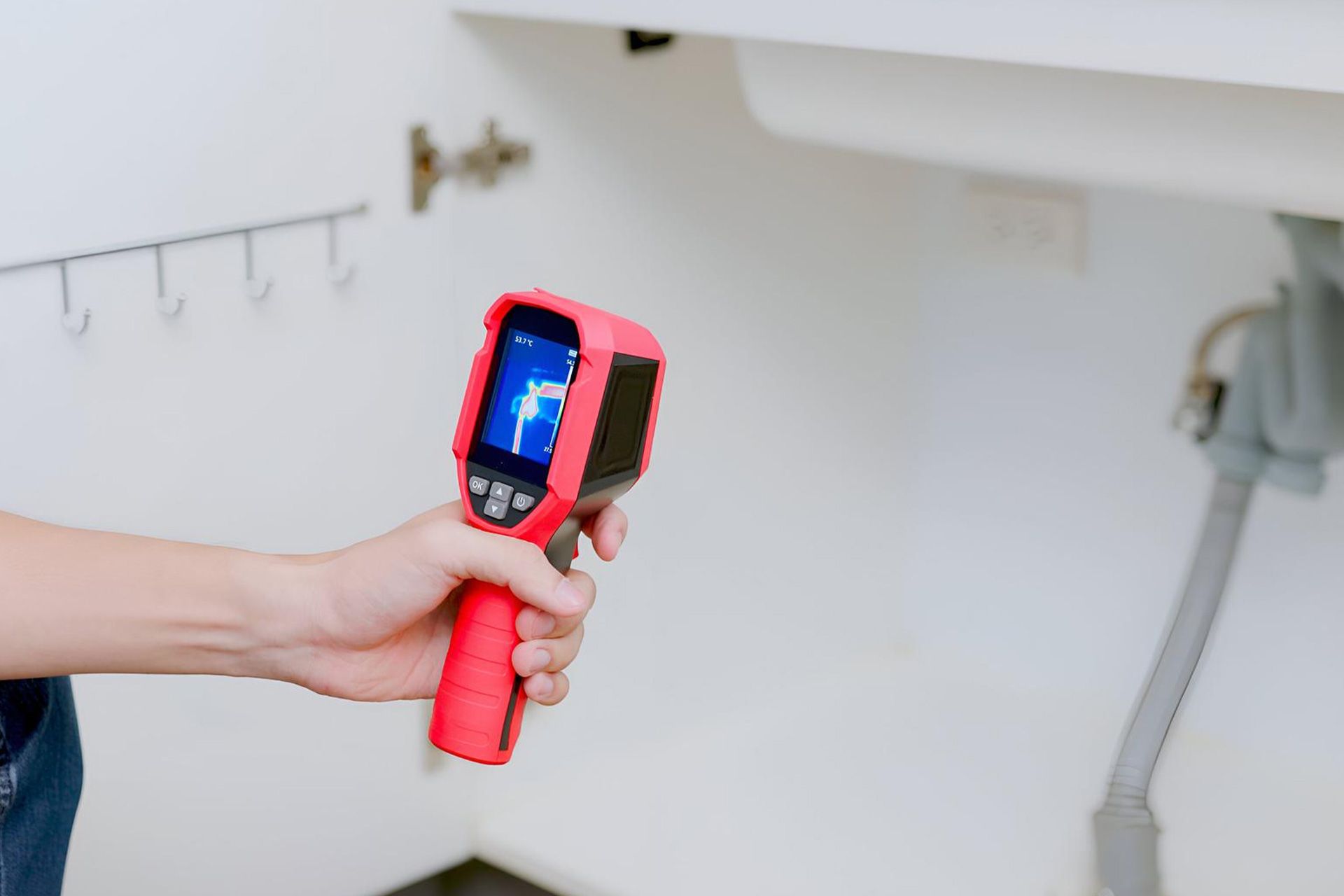
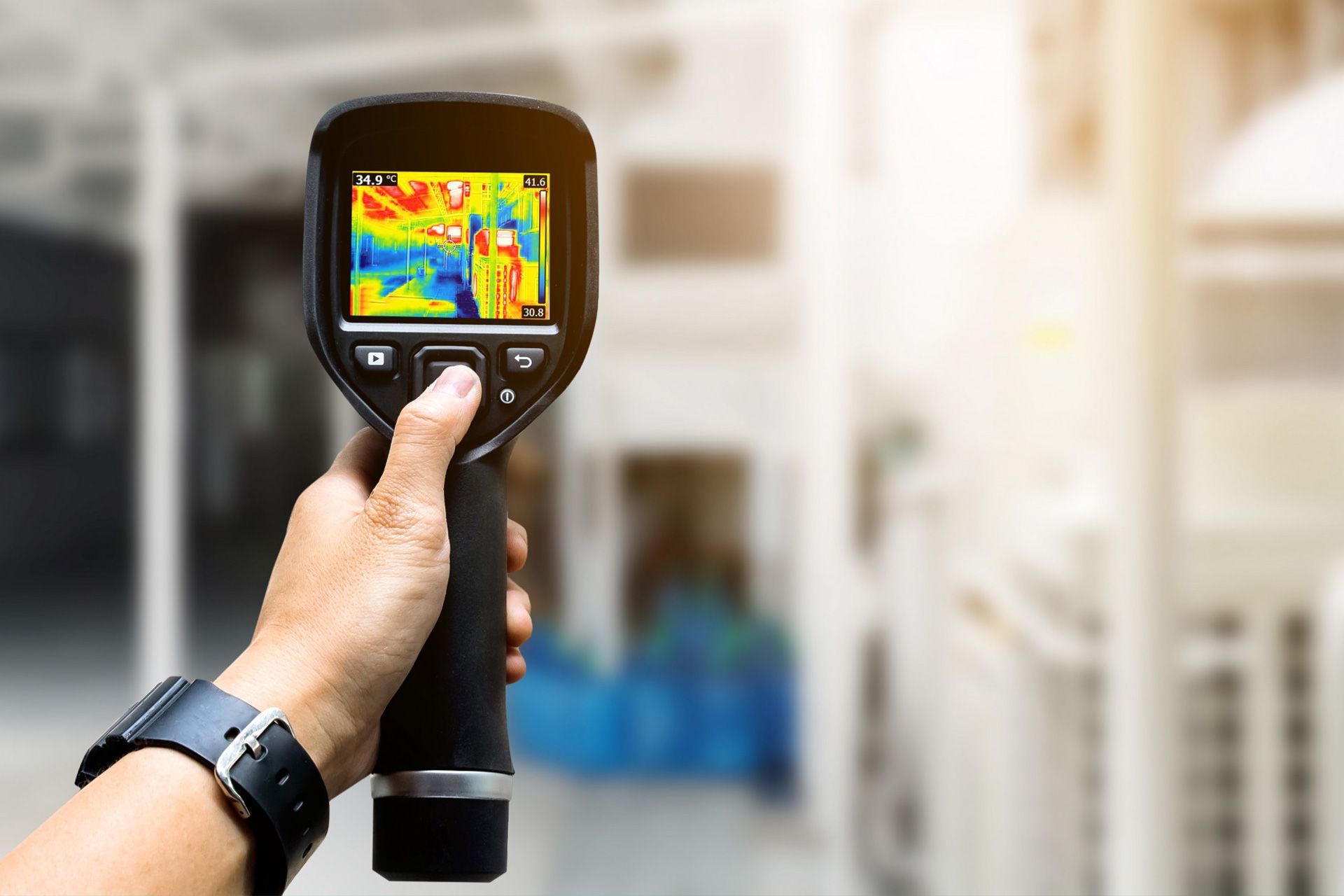
A trained inspector can begin with the property instead of the test kit. That may involve reviewing the leak history, examining visible surfaces, using moisture-related tools where appropriate, checking ventilation conditions, and deciding whether air or surface sampling would provide useful information.
If samples are collected, proper labeling, controlled handling, suitable locations, and laboratory analysis help make the results more meaningful.
More importantly, the findings can be interpreted in light of observations at the property.
A laboratory number by itself may be confusing. A report that connects sampling information with moisture conditions, affected areas, and possible next steps is much more useful to a homeowner.
What To Do After Finding A Possible Problem
If you discover visible growth or receive a concerning test result, focus on the building rather than panic about the name of a mold.
Start by identifying possible moisture sources. Check nearby plumbing, roof areas, windows, ventilation, drainage, and other places where water may enter or collect.
Avoid disturbing large areas of suspected growth, as this can spread particles into surrounding areas.
If the source is unclear, the affected area is significant, or you suspect concealed moisture, consider having the property evaluated by someone experienced with mold and moisture concerns.
The goal is to understand what is happening and to make decisions based on the property's condition.
Conclusion
Consumer mold tests may provide limited information, but they cannot always tell homeowners whether a meaningful indoor mold problem exists. Sampling location, environmental conditions, moisture sources, and interpretation all affect the usefulness of a result.
Blue Spruce Inspections helps homeowners in Colorado and nearby areas evaluate visible moisture concerns, suspicious conditions, and areas that may require additional testing or specialist attention.
Our team focuses on clear observations and practical information so you can better understand what is happening inside your property.
Contact us to schedule a mold evaluation for your home.
Frequently Asked Questions
Can a mold evaluation tell me whether my house is safe?
Not by itself. A sample should be considered together with moisture conditions, visible findings, the location where it was collected, and other property information.
Should I test an area when mold is already visible?
Testing may not always be necessary when visible growth and the source of moisture are already obvious. The priority may be to correct the moisture problem and determine how the affected materials should be handled.
Can mold grow without a plumbing leak?
Yes. Roof leaks, condensation, high humidity, exterior water intrusion, flooding, and poor ventilation can all provide moisture that supports mold growth.
Can a negative DIY result rule out hidden mold?
No. A sample represents only the conditions and location where it was collected. Concealed moisture or growth may exist in an area the test did not adequately represent.
When should I get help instead of testing on my own?
Consider professional help when moisture keeps returning, there is a strong, unexplained odor, several areas are affected, significant water damage has occurred, or you suspect growth in concealed spaces.
Disclaimer: The information on this website and blog is for general informational purposes only and is not professional advice. We make no guarantees of accuracy or completeness. We disclaim all liability for errors, omissions, or reliance on this content. Always consult a qualified professional for specific guidance.
Search Blog
Recent Posts