Essential Home Inspection Equipment Every Inspector Needs
Inspecting a house involves much more than walking through rooms and writing down visible defects. Inspectors move through dark attics, tight crawlspaces, mechanical areas, exterior spaces, and other parts of a property where good visibility, safe access, and accurate documentation matter.
A useful home inspector's tool list should include more than specialized technology. Basic items such as a dependable flashlight, electrical tester, ladder, camera, and protective gear often matter as much as advanced instruments.
The right home inspection equipment helps an inspector observe conditions more carefully, document findings clearly, and work safely without damaging the property. No tool replaces professional judgment, but the right toolkit supports a more complete and organized evaluation.
Essential Tools Every Home Inspector Should Carry
A strong toolkit starts with simple equipment inspectors can rely on all day. These tools should be durable, portable, and easy to reach.
Core items often include:
- High-quality flashlight: Attics, crawlspaces, utility rooms, electrical areas, and corners under sinks may have limited lighting. A strong flashlight makes it easier to see stains, damaged materials, leaks, and other visible concerns.
- Electrical outlet tester: A basic receptacle tester can provide useful information about certain accessible outlets. Depending on the device, it may also help check GFCI operation or identify some common wiring conditions.
- Ladder: Inspectors often need a suitable ladder for roof edges, attic openings, exterior components, and other elevated areas. The ladder must match the task and should only be used when conditions allow safe access.
- Camera or mobile device: Clear photographs help document locations and conditions. Images also make reports easier for clients to understand when they cannot attend the evaluation.
- Extra batteries and charging equipment: Flashlights, testers, cameras, and other electronic devices become useless when the power runs out. Backup batteries and portable chargers help prevent interruptions.
These tools may seem simple, but they support much of the fieldwork conducted during a residential property review.
Personal Protective Gear
An inspector's tools are not only for examining buildings. Some of the most important items protect the person doing the work. Useful safety gear includes:
- Safety glasses: Attics, crawlspaces, insulation, dust, and debris can irritate or injure eyes.
- Gloves: Durable gloves can help protect hands when accessing unfinished areas or working near rough building materials.
- Respiratory protection: Dusty attics, crawlspaces, and other environments may require appropriate respiratory protection depending on conditions.
- Protective clothing: Coveralls or dedicated work clothing can help protect against dirt, insulation fibers, and debris.
- Head protection: A bump cap or suitable headgear can be useful in low-clearance spaces where framing and mechanical components create impact hazards.
- Proper footwear: Slip-resistant shoes or boots can provide better traction on exterior surfaces, ladders, unfinished areas, and wet areas.
Extra Safety Gear For Difficult Spaces
Basic PPE matters, but a few extra items can make work in attics, crawlspaces, on roofs, and finished interiors safer and more comfortable.
- Headlamp: A headlamp provides hands-free lighting when crawling through tight spaces or using other tools. It works well as a backup to a handheld flashlight and makes movement easier when you need both hands.
- Knee, elbow, and forearm padding: Inspectors may spend significant time kneeling or crawling over concrete, framing, gravel, or rough surfaces. Protective padding can reduce discomfort and help prevent minor scrapes or impact injuries during long appointments.
- Anti-skid shoe covers: These can add grip in some indoor situations while also protecting finished flooring from dirt carried in from outside. Choose the right type for your walking surface, since not every cover suits stairs, wet floors, or other conditions.
Small additions to protective gear may not collect property data, but they can make demanding spaces easier to navigate safely.
Additional Testing Tools For Everyday Systems
Some useful devices focus on specific household systems that may not require advanced technology but still provide helpful information during an evaluation.
- Water pressure gauge: It measures water pressure at an accessible connection. Unusually high or low readings can provide useful context about plumbing performance and may support a recommendation for further evaluation when needed.
- Microwave tester: Some inspectors use a purpose-made microwave testing device to check basic appliance operation without placing unsafe objects inside the unit. It can provide a simple way to document whether an installed microwave appears to produce energy during operation.
Inspectors should always use these tools within their scope and according to the manufacturer's instructions. A single reading does not explain every possible problem, so inspectors must still consider results alongside visible conditions and system performance.
Technology For Better Access And Documentation
Newer tools can help inspectors document difficult-to-access areas without requiring physical access to every space. They are especially useful when visibility, clearance, or property size creates practical limits.
- Body camera: A wearable camera can record as the inspector moves through the property. It can help document conditions, unusual access limitations, or areas that need additional photos for the final report.
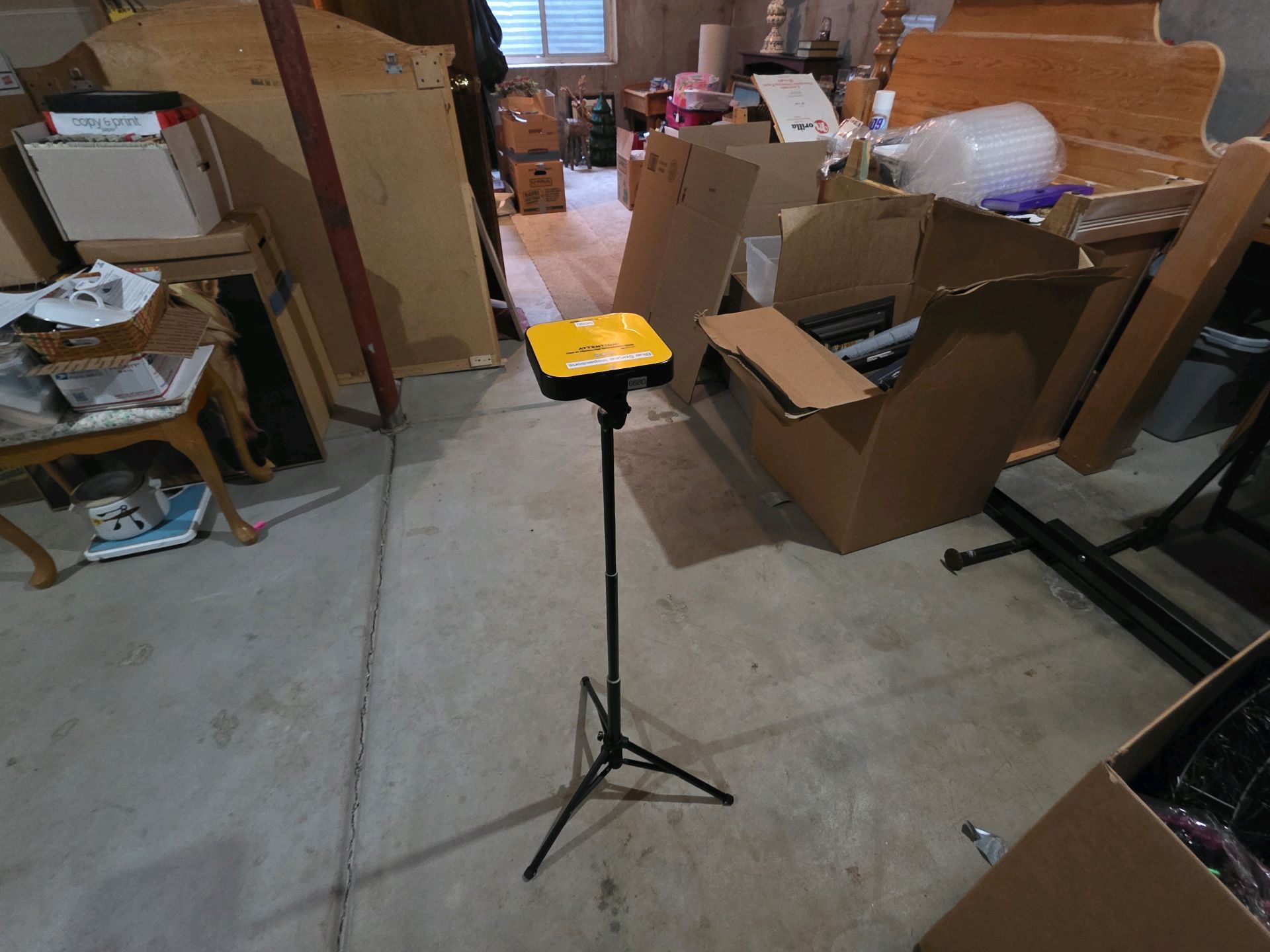
- 360-degree camera: These cameras capture a wide view of a room or area in one image. They can help document overall conditions and remember where you found individual items after leaving the property.
- Crawlspace robot: Very low or difficult crawlspaces may not allow safe entry. A small, camera-equipped robot can sometimes capture images from areas that would otherwise be inaccessible, though obstacles, standing water, loose insulation, and uneven ground may still limit its movement.
- External storage device: Over time, photos, videos, reports, and thermal images can create large amounts of data. A properly managed external drive can provide an additional backup option alongside secure digital storage.
These technologies do not remove the need for direct observation where safe access is available. Their main value is extending visibility, preserving better records, and helping inspectors document conditions that might otherwise be difficult to capture.
How Thermal Cameras Support Property Inspections
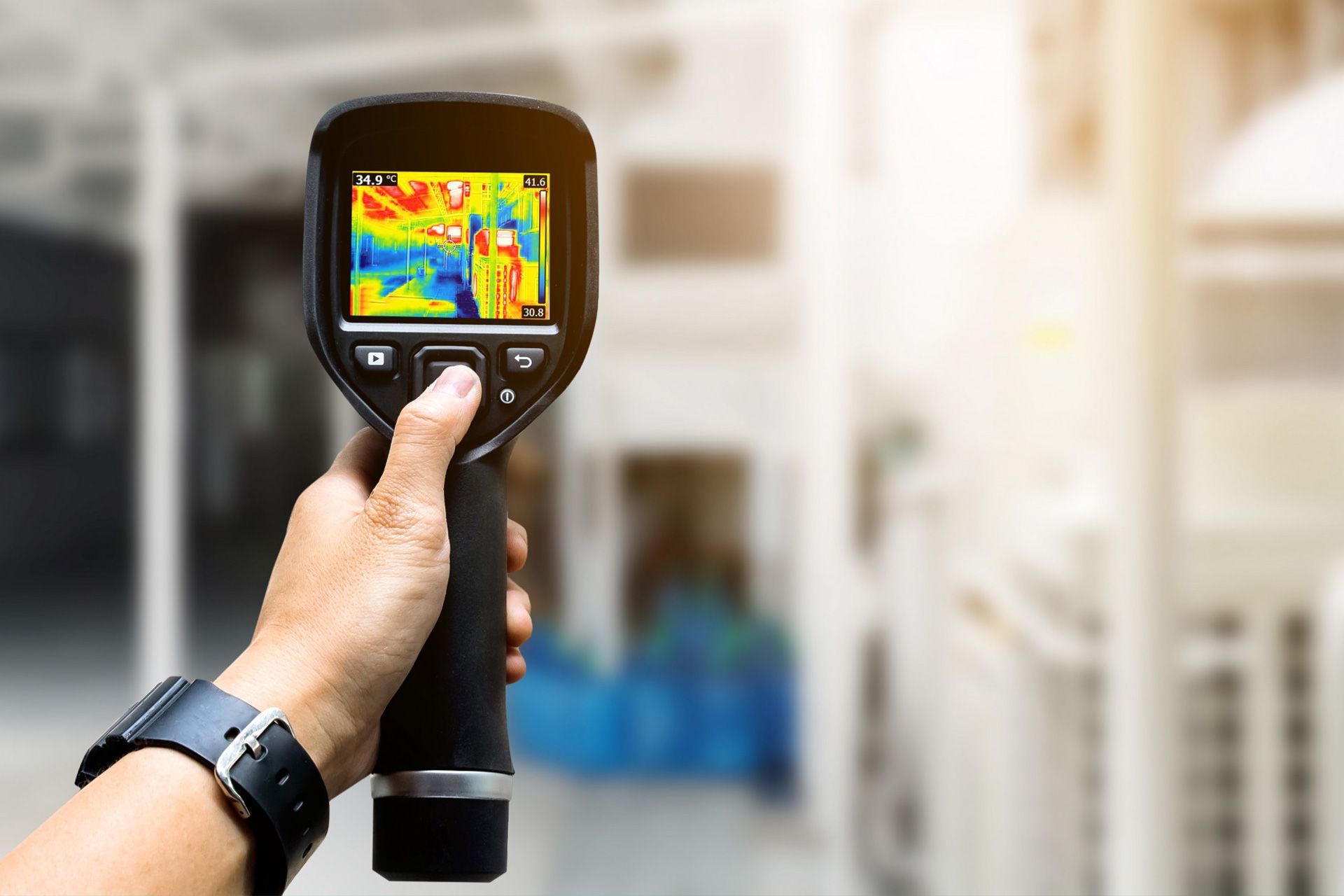
Infrared cameras show differences in surface temperature. Under suitable conditions, these patterns can help an inspector identify areas that deserve closer attention.
Thermal imaging may support the evaluation of:
- Uneven insulation patterns
- Possible air leakage
- Areas that may warrant moisture-meter testing
- Unusual temperature patterns around accessible electrical components
- Heating or cooling differences across finished surfaces
A thermal image does not see through a wall, nor does it automatically identify the cause of an unusual pattern. Sunlight, heating systems, outdoor temperatures, reflective materials, and recent weather can affect results. The equipment is most useful when an experienced inspector combines the image with visual observations and other testing methods.
Electrical Tools Should Match The Inspector's Scope
Electrical systems require care because inspectors work around energized components. Tools should support observation without encouraging unsafe or invasive work. Common equipment includes:
- receptacle testers
- voltage indicators
- other devices appropriate for the inspector's work.
These tools can help gather information, but they do not replace an electrician. If an inspector finds damaged wiring, signs of overheating, unusual panel conditions, or other concerns outside the scope of the evaluation, they may recommend further review by a qualified electrical professional.
Roof Access Requires More Than A Ladder
Roof evaluation can involve significant safety decisions. Pitch, height, weather, ice, snow, roofing material, surface condition, and surrounding obstacles can all affect whether walking a roof is reasonable. When direct access is unsafe, some inspectors use alternatives such as:
- Pole-mounted cameras: These can provide closer photographs of roofing surfaces from a safer location when conditions allow.
- Drones: An appropriately operated drone can capture images of roof areas that are difficult to see from the ground.
- Binoculars: For some properties, high-quality binoculars can help review visible roof components without climbing onto the surface.
Keeping Inspection Equipment Ready For Use
Equipment maintenance is easy to overlook until something fails during an appointment.
- Inspectors should routinely check flashlight batteries, charge electronic devices, inspect ladder condition, clean camera lenses, review cables, and make sure testers operate correctly.
- Specialized instruments may also require calibration, software updates, sensor replacement, or manufacturer-recommended servicing.
- Organizing equipment in a consistent location can save time. Tool bags, cases, vehicle compartments, or belts help reduce the chance of leaving an important item behind.
Conclusion
Inspectors need a mix of basic tools, safety equipment, documentation devices, and specialized technology. Flashlights, ladders, electrical testers, cameras, moisture meters, thermal equipment, protective gear, access tools, and reliable reporting systems each support a different part of the job.
Someone inspecting many older houses may value moisture and electrical tools differently from someone who frequently works with newly constructed properties. Inspectors working in snowy areas, on steep roofs, or on large rural properties may also need different access equipment. A practical home inspector tools list can therefore change as the inspector gains experience.
At Blue Spruce Inspections, our team uses professional home inspection equipment, along with training, careful observation, and clear reporting, to help clients better understand a property's condition. Technology supports our work, but experienced interpretation is what turns those observations into useful information.
Contact our team today to schedule a professional property evaluation.
Frequently Asked Questions
What tool should every property inspector carry?
A dependable flashlight is one of the most useful tools because many important areas are poorly lit. A camera, electrical tester, and suitable access equipment are also common essentials.
Is a thermal camera necessary for every inspector?
Not necessarily. Thermal imaging can provide valuable temperature information, but inspectors need proper training to understand its limitations and interpret patterns accurately.
Why do inspectors use moisture meters?
Moisture meters help compare moisture readings in materials when staining, leakage, odors, or other conditions raise concerns. They provide supporting information rather than proving the exact source of water.
Can inspectors use drones instead of walking on roofs?
A drone can provide useful roof images when direct access is unsafe or impractical. The best method depends on site conditions, applicable rules, equipment, and the inspector's procedures.
Do better tools automatically mean a better property evaluation?
No. Quality equipment can improve visibility and provide useful data, but training, experience, careful observation, and correct interpretation remain essential.
Disclaimer: The information on this website and blog is for general informational purposes only and is not professional advice. We make no guarantees of accuracy or completeness. We disclaim all liability for errors, omissions, or reliance on this content. Always consult a qualified professional for specific guidance.
Search Blog
Recent Posts