Home Electrical Safety Inspection: Complete Guide (2026)
Electricity powers almost every part of a modern home, from lighting and appliances to heating and cooling systems. While we depend on electricity every day, many homeowners rarely think about the condition of the wiring and electrical components hidden behind walls. Over time, electrical systems can develop wear, damage, or outdated features that may create safety concerns.
During a professional home inspection, the home's visible and accessible electrical components are evaluated to help identify potential safety concerns. Whether you own an older home, have recently purchased a property, or simply want peace of mind, an inspection can help identify visible electrical issues and provide valuable information about the system's condition.
This guide explains what an electrical system inspection includes, why it is important, and when homeowners should consider scheduling one.
How the Electrical System Is Evaluated During a Home Inspection
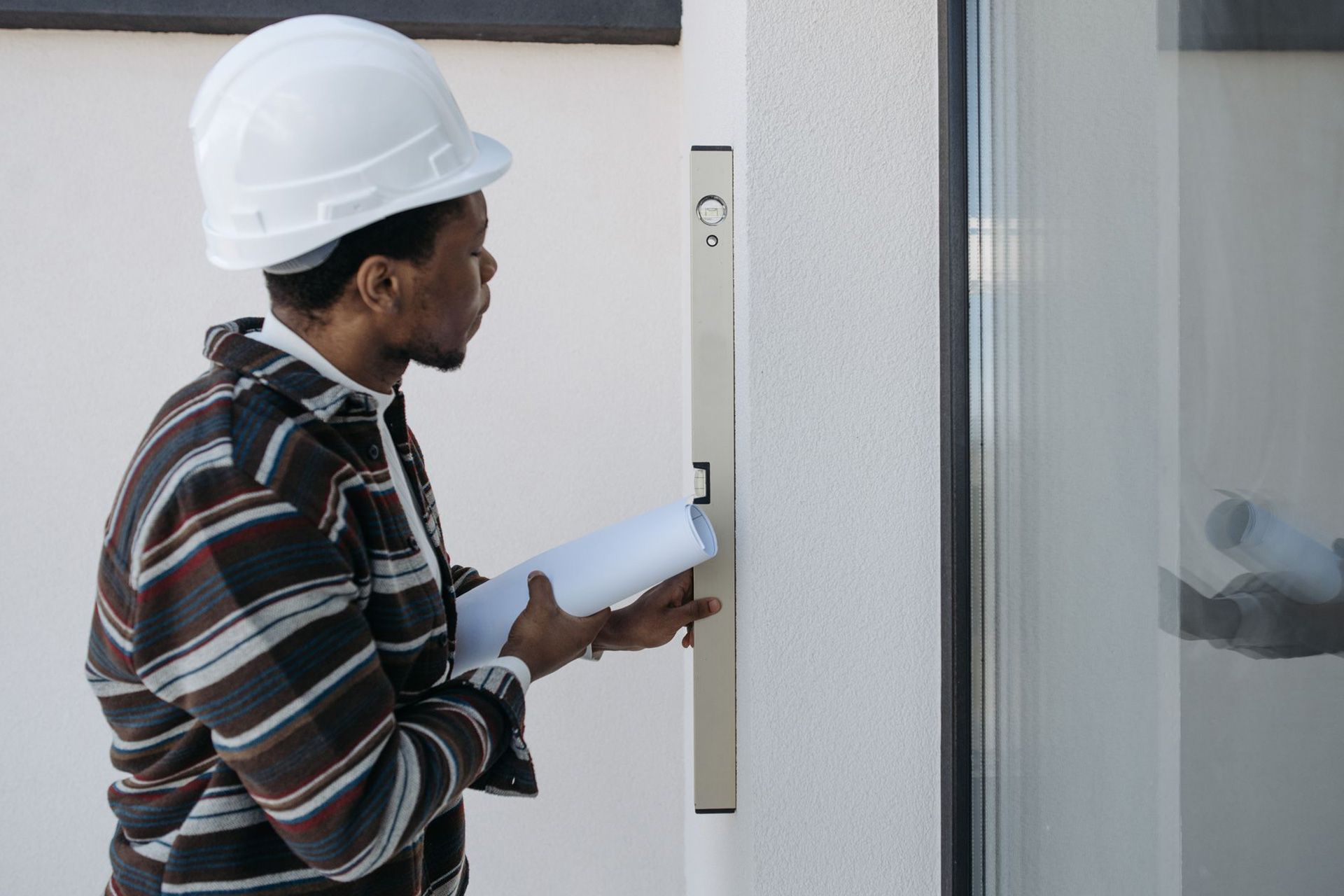
During a home inspection, inspectors visually examine readily accessible electrical components and report any observed deficiencies at the time of the inspection. The purpose is to identify potential hazards, signs of wear, improper installations, and conditions that may affect the safe operation of the electrical system.
During a residential home inspection, professionals examine accessible electrical equipment and look for issues that could increase the risk of electrical failures or fires.
Unlike a quick visual check by a homeowner, a professional inspection adheres to industry standards and focuses on safety, functionality, and the system's overall condition.
Why Electrical Inspections Matter
Your home's electrical system works continuously every day. As homes age, wiring, outlets, switches, and electrical panels can deteriorate or become outdated.
An inspection helps homeowners:
- Identify potential safety hazards
- Discover aging electrical components
- Improve overall home safety
- Support preventive maintenance
- Make informed repair decisions
Many electrical problems develop gradually, making routine inspections an important part of responsible homeownership.
What Is Included in an Electrical System Inspection?
It covers the home's accessible electrical components and evaluates their visible condition. Common inspection areas include:
Electrical Service Panel
The service panel distributes electricity throughout the home.
Inspectors evaluate:
- Panel condition
- Proper labeling
- Visible corrosion
- Signs of overheating
- Circuit breaker condition
Wiring
Visible wiring is examined for:
- Damage
- Improper connections
- Deterioration
- Exposed conductors
- Visible loose or improperly secured wiring
Outlets And Switches
Inspectors test representative outlets and switches throughout the home to verify proper operation and identify visible defects.
Grounding And Bonding
Proper grounding helps improve electrical safety by reducing certain electrical hazards.
The inspection verifies whether visible grounding components appear properly installed.
Exterior Electrical Components
Outdoor electrical equipment is also reviewed when accessible, including:
- Exterior outlets
- Disconnects
- Electrical service connections
- Weather protection
Common Problems Found During Electrical Inspections
Every home is different, but inspectors frequently identify similar electrical concerns.
- Outdated Electrical Panels: Older electrical panels may no longer meet today's household electrical demands.
- Damaged Wiring: Worn or damaged wiring can increase safety risks if left unaddressed.
- Improper Electrical Repairs: Repairs performed without proper methods may create long-term issues.
- Loose Electrical Connections: Loose connections can affect electrical performance and contribute to overheating.
- Missing Safety Devices: Modern homes often include safety devices designed to reduce electrical hazards.
Older homes may lack these important protections. Electrical concerns are just one example of the issues inspectors may uncover. Understanding other home inspection red flags can help buyers and homeowners make more informed decisions.
When Should You Schedule an Electrical Safety Inspection?
There is no single schedule that fits every home, but certain situations make an inspection especially valuable.
Before Purchasing A Home
A professional electrical inspection helps buyers better understand the condition of the home's electrical system before closing.
Before Selling A Home
Sellers can identify potential concerns before listing their property.
After Major Renovations
Renovations involving electrical work should be reviewed to verify the quality of visible installations.
Older Homes
Older homes often contain aging electrical components that deserve periodic evaluation.
After Severe Storms
Storms may affect electrical equipment, exterior wiring, or service connections.
Warning Signs That Should Never Be Ignored
Certain electrical symptoms deserve immediate attention. Watch for:
- Flickering lights
- Frequently tripped breakers
- Warm outlets
- Burning odors
- Sparking outlets
- Buzzing sounds
- Loose switches
- Discolored outlets
These issues do not always indicate major problems, but they should never be ignored.
How an Electrical System Inspection Helps Homeowners
A professional home inspection checklist helps homeowners:
Understand System Condition
Many electrical components remain hidden from view. An inspection provides valuable insight into the system's overall condition.
Plan Future Maintenance
Knowing which components are aging helps homeowners prepare for future upgrades.
Improve Home Safety
Identifying visible hazards early helps reduce potential risks.
Support Real Estate Decisions
Inspection reports provide valuable information during home purchases and sales.
Electrical Safety Tips For Every Homeowner
While professional inspections are important, homeowners can also practice safe electrical habits.
Some helpful tips include:
- Avoid overloading outlets.
- Replace damaged extension cords.
- Test smoke alarms regularly.
- Keep electrical panels accessible.
- Use outdoor-rated electrical equipment outside.
- Never ignore unusual electrical odors.
- Have visible electrical concerns evaluated promptly.
Simple habits can help support a safer home environment.
Older Homes May Require Extra Attention
Homes built decades ago often have electrical systems designed for much lower power demands.
Today's households use:
- Large televisions
- Computers
- Kitchen appliances
- Electric vehicle chargers
- Home office equipment
- Smart home technology
An aging electrical system may require updates to support modern electrical usage safely. This is one reason many homeowners schedule a home inspection after purchasing an older property.
Choosing A Qualified Inspection Company
When scheduling an electrical system inspection, choose an experienced inspection company that provides detailed evaluations and clear reporting. Look for inspectors who:
- Follow recognized inspection standards
- Explain findings clearly
- Provide detailed reports
- Communicate professionally
- Offer comprehensive property inspections
Professional inspections provide valuable information that supports informed decisions.
Conclusion
A home's electrical system plays an important role in everyday comfort and safety. Because many electrical components are hidden from view, problems may develop without obvious warning signs. A professional electrical safety inspection helps identify visible concerns, evaluate the condition of accessible components, and provide homeowners with valuable information about their property's electrical system.
At Blue Spruce Inspections, we provide comprehensive electrical inspection services as part of our detailed home inspections. Our team is committed to helping buyers, sellers, and homeowners better understand their property's condition through clear reporting and professional evaluations.
Schedule your inspection today and gain greater confidence in your home's electrical safety.
Frequently Asked Questions
What is an electrical safety inspection?
It is a professional evaluation of a home's visible electrical components to identify potential hazards, damaged equipment, and safety concerns.
What does an electrical system inspection include?
It typically includes the electrical panel, visible wiring, outlets, switches, grounding components, and accessible exterior electrical equipment.
How often should a home have an electrical inspection?
Many homeowners schedule inspections when buying or selling a home, after major renovations, following severe storms, or when living in an older property.
Can an inspection identify outdated electrical systems?
Yes. Inspectors can identify visible signs of aging electrical panels, wiring, and other components that may no longer meet modern safety expectations.
Should newer homes have electrical inspections?
Yes. Even newer homes can benefit from an inspection to verify the visible condition and proper installation of electrical components, providing additional peace of mind.
Disclaimer: The information on this website and blog is for general informational purposes only and is not professional advice. We make no guarantees of accuracy or completeness. We disclaim all liability for errors, omissions, or reliance on this content. Always consult a qualified professional for specific guidance.
Search Blog
Recent Posts