Home Inspection Checklist for Buyers in Denver
Buying a home is one of the biggest financial decisions most people will ever make. While a property may look perfect during a showing, hidden issues can exist behind walls, under floors, or inside major systems. That is why a professional home inspection is one of the most important steps in the home-buying process.
For buyers in the Denver Metro Area, inspections are especially valuable because homes are exposed to unique environmental conditions, including snow, hail, temperature extremes, dry climates, and shifting soil. These factors can affect roofs, foundations, plumbing systems, and other critical components.
A thorough home inspection checklist helps buyers understand a property's condition before closing. It can reveal safety concerns, maintenance issues, and potential repairs that may not be visible during a walkthrough.
This guide explains what buyers should look for, what inspectors evaluate, and how a House Buying Inspection checklist can help you make a confident purchasing decision.
Why a Home Inspection Is Important
A home inspection provides an independent assessment of a property's major systems and structural components.
The inspection helps buyers:
- Understand the home's overall condition
- Identify safety concerns
- Discover hidden defects
- Plan future maintenance
- Make informed purchasing decisions
An inspection does not guarantee a home will never have issues, but it provides valuable information about the property's current condition.
Understanding the Denver Metro Housing Environment
Home inspections in the Denver Metro Area face unique challenges due to Colorado's climate and geography.
Weather Exposure
Denver experiences:
- Heavy snow
- Strong sunlight
- Hailstorms
- Freeze and thaw cycles
These conditions can accelerate wear on roofs, siding, windows, and exterior surfaces.
Expanding and Contracting Soil
Certain areas around Denver experience soil movement due to changes in moisture. This can affect:
- Foundations
- Basement walls
- Concrete slabs
Elevation and Dry Climate
The region's elevation and dry air can impact building materials differently than homes in more humid climates.
These local factors make a detailed inspection especially important.
Exterior Inspection Checklist
The exterior is the first line of defense against weather and environmental damage.
Roof Condition
Inspectors examine:
- Missing shingles
- Damaged roofing materials
- Flashing condition
- Roof penetrations
- Signs of leaks
Roof issues are among the most common concerns found during inspections.
Gutters and Drainage
Proper drainage helps protect the foundation.
Inspectors check:
- Gutter condition
- Downspout placement
- Water drainage patterns
- Signs of water pooling
Siding and Exterior Surfaces
Exterior materials are evaluated for:
- Cracks
- Damage
- Moisture concerns
- Deterioration
Driveways and Walkways
Inspectors look for:
- Cracks
- Uneven surfaces
- Trip hazards
- Drainage concerns
Foundation and Structural Components
Structural integrity is one of the most important parts of any home inspection guide.
Foundation Evaluation
Inspectors look for:
- Cracks
- Settlement signs
- Water intrusion
- Structural movement
Not all foundation cracks are serious, but professional evaluation helps determine their significance.
Basement and Crawl Spaces
These areas may reveal:
- Moisture problems
- Structural concerns
- Insulation issues
- Ventilation conditions
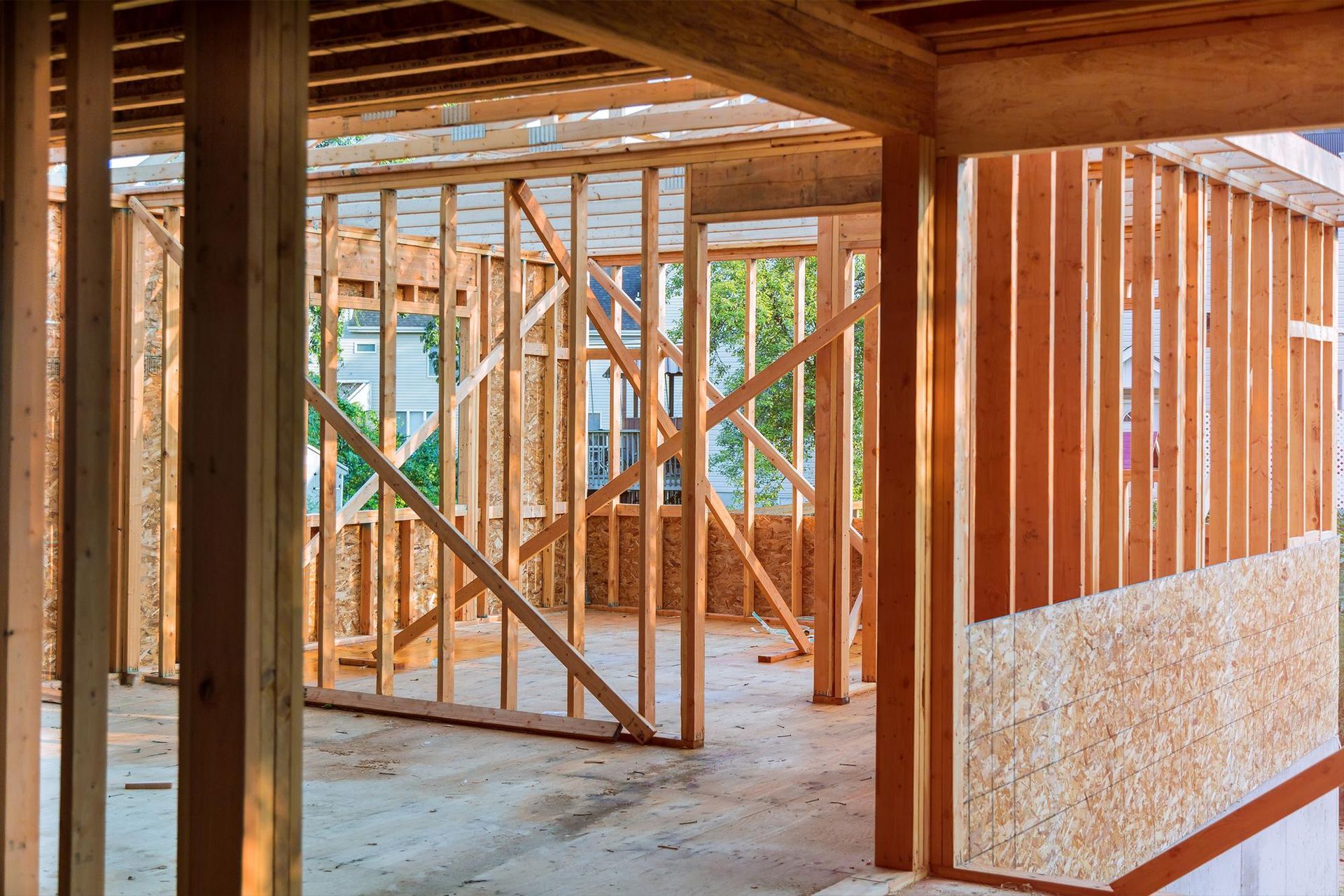
Framing Components
Visible framing is checked for signs of:
- Damage
- Rot
- Moisture intrusion
- Structural concerns
Plumbing Inspection Checklist
The plumbing system affects comfort, sanitation, and daily living.
Water Supply Lines
Inspectors evaluate:
- Visible pipes
- Leaks
- Corrosion
- Water pressure concerns
Fixtures and Faucets
Sinks, tubs, showers, and toilets are tested for proper operation.
Water Heater
The inspection includes:
- Age
- Condition
- Installation quality
- Visible safety concerns
Drainage Systems
Proper drainage is essential for avoiding future plumbing issues.
Electrical System Inspection Checklist
Electrical problems can create safety risks if left unaddressed.
Electrical Panel
Inspectors review:
- Panel condition
- Proper labeling
- Visible defects
- Safety concerns
Outlets and Switches
Representative outlets and switches are tested throughout the home.
Grounding and Safety Features
Inspectors look for proper grounding and other important safety components.
Visible Wiring
Accessible wiring is evaluated for signs of damage or improper installation.
Heating and Cooling System Inspection
Colorado homeowners depend heavily on heating systems during the winter months.
Furnace Inspection
Inspectors evaluate:
- Operation
- Visible condition
- Safety concerns
- Maintenance indicators
Air Conditioning System
Cooling equipment is checked when weather conditions allow safe operation.
Ventilation Systems
Proper airflow helps support comfort and indoor air quality.
Interior Inspection Checklist
The interior inspection focuses on the condition of living spaces and visible building components.
Walls and Ceilings
Inspectors look for:
- Cracks
- Stains
- Moisture damage
- Structural indicators
Floors
Flooring is checked for:
- Uneven areas
- Damage
- Excessive wear
Doors and Windows
Inspectors test:
- Operation
- Locks
- Seals
- Visible damage
Stairs and Railings
Safety features are reviewed for stability and proper installation.
Attic Inspection Checklist
The attic often reveals hidden concerns that may not be visible elsewhere.
Insulation Levels
Inspectors evaluate insulation performance and coverage.
Ventilation
Proper attic ventilation helps prevent moisture buildup and temperature-related damage.
Roof Structure
Visible framing and roof components are examined for signs of leaks or deterioration.
Additional Inspections Buyers Should Consider
Depending on the property, buyers may benefit from additional specialized inspections.
Sewer Scope Inspection
A sewer camera inspection evaluates underground sewer lines for:
- Cracks
- Root intrusion
- Blockages
Radon Testing
Radon is a naturally occurring gas that can accumulate indoors.
Mold Inspection
Moisture-related concerns may justify a professional mold evaluation.
Well Water Testing
For properties using private wells, water quality testing is highly recommended.
Common Issues Found During Home Inspections
Every property is different, but inspectors frequently identify:
- Roof Wear: Aging roofing materials are common in homes exposed to Colorado weather.
- Drainage Problems: Poor grading and water management may affect foundations.
- HVAC Maintenance Issues: Heating and cooling systems often require routine maintenance.
- Plumbing Leaks: Small leaks can create larger problems if ignored.
- Electrical Safety Concerns: Older homes may contain outdated electrical components.
What Buyers Should Do After the Inspection
The inspection report provides valuable information, but understanding how to use it is equally important.
Review the Report Carefully
Take time to understand:
- Safety concerns
- Major defects
- Maintenance items
- Recommended repairs
Ask Questions
A qualified inspector can explain findings and answer questions about the property's condition.
Prioritize Important Issues
Focus first on:
- Structural concerns
- Safety issues
- Water intrusion
- Major system defects
Plan Future Maintenance
Not every finding requires immediate action. Some items may simply become part of your future maintenance plan.
How a House Buying Inspection Checklist Protects Buyers
A comprehensive House Buying Inspection checklist helps buyers gain a realistic understanding of the property before closing.
Benefits include:
- Better decision-making
- Increased confidence
- Improved negotiation opportunities
- Reduced surprises after moving in
- Better long-term planning
An inspection is one of the smartest investments buyers can make during the home purchasing process.
Conclusion
Purchasing a home in the Denver Metro Area involves more than choosing the right location and floor plan. Understanding the property's condition is equally important. A professional home inspection checklist helps uncover hidden concerns, evaluate major systems, and provide buyers with the information they need to make confident decisions.
At Blue Spruce Inspections, we provide thorough home inspections to help buyers understand a property's true condition before closing. Our detailed evaluations focus on the systems and components that matter most, so you can move forward with confidence.
Schedule your home inspection today and gain valuable insight before you buy.
FAQs
What is included in a home inspection checklist?
A home inspection checklist typically covers the roof, foundation, plumbing, electrical systems, heating and cooling equipment, attic, interior, and exterior components.
Why is a home inspection important before buying a house?
A home inspection helps identify hidden defects, safety concerns, and maintenance issues that may not be visible during a property showing.
How long does a home inspection take?
Most home inspections take between two and four hours, depending on the size, age, and condition of the property.
Does a home inspection include sewer lines?
Standard inspections usually do not include a full sewer line evaluation. A separate sewer scope inspection may be recommended.
Should new construction homes be inspected?
Yes. Even newly built homes can have defects, installation issues, or incomplete work that may benefit from a professional inspection.
Disclaimer: The information on this website and blog is for general informational purposes only and is not professional advice. We make no guarantees of accuracy or completeness. We disclaim all liability for errors, omissions, or reliance on this content. Always consult a qualified professional for specific guidance.
Search Blog
Recent Posts