Do You Need a Sewer Scope Inspection Before Buying a Home in Denver?
Buying a home is an exciting milestone, but it can also come with hidden risks. Most buyers focus on visible features such as the roof, kitchen, flooring, and other readily accessible components of the home. However, one of the most expensive problems can be buried underground and completely out of sight.
The sewer line is a critical part of a home's plumbing system. If it has damage, blockages, or deterioration, repairs can become complicated and costly. That is why many homebuyers in Denver choose to add a sewer inspection to their due diligence process.
A professional sewer inspection helps uncover hidden issues before closing and gives buyers a clearer picture of the property's condition. In this guide, we will explain why sewer inspections matter, how they work, and why they are becoming an important part of home purchases throughout Denver.
Why Sewer Lines Deserve More Attention
A standard home inspection provides valuable information about many areas of a property, but underground sewer lines are often outside the scope of a typical inspection.
Because sewer pipes are buried underground, problems can develop for years without obvious warning signs. A home may appear to be in excellent condition while hidden sewer issues continue to worsen beneath the surface.
This is why many buyers choose sewer scope inspection services before finalizing a purchase.
Understanding Denver's Sewer Line Challenges
Denver has a mix of older homes and newer developments. Properties built decades ago may still contain aging sewer systems that are vulnerable to wear and damage.
Several factors can affect sewer lines in the Denver area:
- Aging pipe materials
- Tree root intrusion
- Soil movement
- Ground settling
- Construction activity
- Long-term corrosion
These conditions can create problems that remain hidden until a major plumbing issue occurs.
What is a Sewer Scope Inspection?
It is a specialized evaluation of the home's main sewer line. During the inspection, a small waterproof camera is inserted into the sewer system and guided through the pipe. The camera provides a live video feed, allowing inspectors to evaluate the condition of the sewer line from the inside.
A sewer line camera inspection can reveal concerns that would otherwise remain undetected.
The inspection may identify:
- Cracks in the pipe
- Root intrusion
- Pipe separation
- Corrosion
- Standing water
- Blockages
- Debris buildup
The process is noninvasive and provides valuable information about the condition of the underground plumbing system.
Why Homebuyers Should Consider A Sewer Inspection
Many buyers wonder whether sewer inspections are truly necessary. While every property is different, there are several reasons why this service can be beneficial.
Hidden Problems Can Be Expensive
Underground sewer repairs often require excavation, pipe replacement, or extensive plumbing work. Identifying concerns before closing allows buyers to make informed decisions rather than discovering problems after moving in.
Older Homes May Have a Greater Risk
Many older homes in Denver were built using materials that can deteriorate over time. Common older pipe materials include:
- Clay
- Cast iron
- Orangeburg pipe
These materials may be more vulnerable to cracking, corrosion, and root intrusion.
Sewer Issues Often Show Few Symptoms
A home may have functioning drains while still experiencing underground sewer problems. A professional sewer line inspection can identify early warning signs before major failures occur.
What Happens During The Inspection?
The inspection process is relatively straightforward.
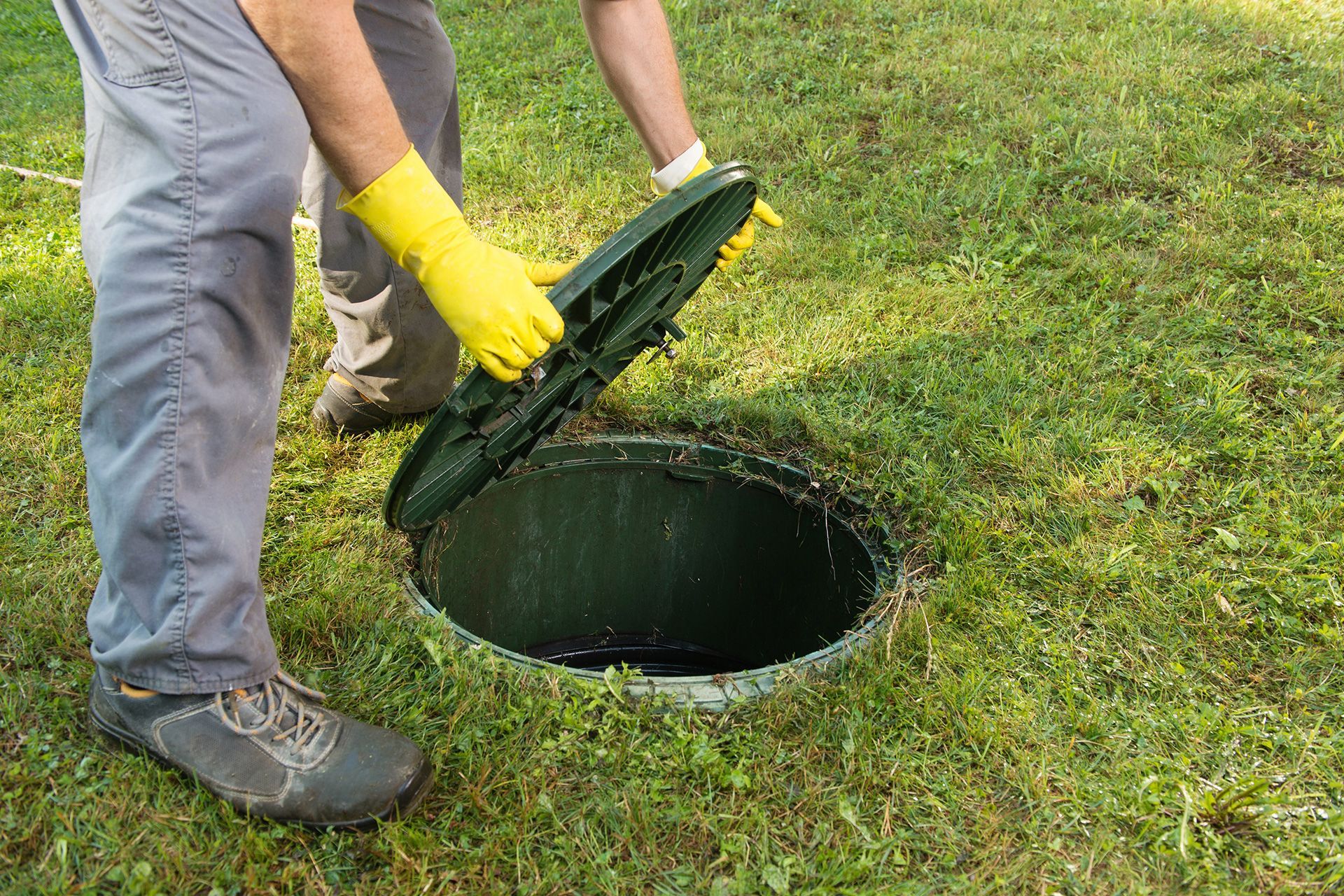
- Accessing The Sewer Line: The inspector locates an appropriate access point, often through a cleanout or plumbing access location.
- Camera Evaluation: A specialized camera travels through the sewer line while recording video footage. The inspector watches the live feed and documents any visible concerns.
- Reviewing Findings: After the inspection is complete, the buyer receives information about the sewer line's condition and any areas that may require attention.
Professional sewer scope inspection often includes video recordings or images that help buyers better understand the findings.
Common Problems Found During Sewer Inspections
Every property is different, but inspectors frequently encounter several recurring issues.
Tree Root Intrusion
Roots naturally seek moisture and can enter small openings in sewer pipes. Over time, roots can expand and create significant blockages or pipe damage.
Pipe Cracks
Ground movement, age, and external pressure can cause sewer pipes to crack. Cracks may allow leaks and contribute to further deterioration.
Pipe Misalignment
Sections of pipe can shift or become offset over time, potentially affecting drainage and increasing the likelihood of debris accumulation.
Corrosion
Metal sewer pipes may corrode internally, reducing pipe diameter and restricting drainage.
Standing Water
Low spots in sewer lines can collect water and create long-term drainage concerns.
When Is An Inspection Most Important?
While inspections can be valuable for many homes, certain situations make them especially worthwhile.
- Older Properties: Older homes often have aging sewer infrastructure that deserves closer evaluation.
- Homes With Large Trees Nearby: Tree roots are one of the leading causes of sewer line damage.
- Properties With Previous Plumbing Issues: Past drainage concerns may indicate underlying sewer problems.
- Before Major Renovations: If you plan to add bathrooms or make significant plumbing changes, understanding the sewer line's condition is important.
- Investment Properties: Investors often use sewer scope inspection services to reduce risk and better evaluate long-term maintenance needs.
Is A Sewer Inspection Worth It In Denver?
For many buyers, the answer is yes.
Denver's combination of older housing stock, changing soil conditions, and mature landscaping can increase the likelihood of sewer line concerns. Because sewer problems often remain hidden underground, many buyers choose an inspection as an added layer of protection.
A professional sewer line camera inspection provides valuable information that can help prevent unexpected surprises after closing.
Conclusion
Buying a home is a significant investment, and understanding the condition of the entire property includes looking below the surface. Sewer lines play a critical role in a home's plumbing system, yet they are often overlooked during the buying process. Professional sewer scope inspection services help uncover hidden issues, identify potential concerns, and provide buyers with valuable information before making a final decision.
Blue Spruce Inspections provides comprehensive sewer inspections designed to help homebuyers gain a clearer understanding of a property's underground plumbing system. Our detailed evaluations and advanced camera technology help clients make informed decisions with confidence.
Schedule your sewer inspection today before purchasing your next Denver home.
FAQs
What is a sewer scope inspection?
It uses a specialized camera to examine the inside of a home's main sewer line and identify potential issues such as cracks, blockages, or root intrusion.
How long does a sewer line camera inspection take?
Most inspections take about an hour, although the exact time depends on the length and condition of the sewer system.
Can newer homes have sewer line problems?
Yes. Even newer homes can experience issues related to installation errors, ground movement, or debris inside the sewer line.
Do standard home inspections include sewer inspections?
In most cases, no. Inspections are typically separate services that require specialized equipment.
What problems can the inspection services identify?
These inspections can reveal root intrusion, cracks, corrosion, blockages, standing water, pipe separation, and other underground plumbing concerns.
Disclaimer: The information on this website and blog is for general informational purposes only and is not professional advice. We make no guarantees of accuracy or completeness. We disclaim all liability for errors, omissions, or reliance on this content. Always consult a qualified professional for specific guidance.
Search Blog
Recent Posts