Everything You Need to Know About Pre-Drywall Inspection
Building a new home is exciting, but many important parts of the house are hidden once the walls are finished. Framing, wiring, plumbing lines, ductwork, and insulation details can become difficult to review after drywall is installed. That is why this stage of construction deserves close attention.
A pre-drywall inspection gives buyers and homeowners a chance to review visible systems before they are covered. It helps identify concerns while the builder still has access to key areas of the home. This can make corrections easier and help reduce future surprises. A professional review at this stage gives you better information before the project moves forward.
Why This Inspection Matters Before Walls Are Closed
Once drywall goes up, many important systems disappear behind finished walls and ceilings. If a concern exists with framing, wiring, plumbing, or ductwork, it may not be easy to see later. Fixing hidden problems after the home is finished can also create extra disruption.
The main purpose of this inspection is to document visible construction conditions before they become concealed. It does not replace city or county code inspections, but it gives the buyer an independent review focused on the home's visible condition and workmanship.
It can help buyers ask better questions, communicate more clearly with the builder, and keep a record of conditions before the next construction phase begins.
When Should You Schedule a New Construction Pre-Drywall Inspection?
Timing is one of the most important parts of the process. This inspection should happen after the main rough-in work is complete but before drywall installation begins. At this point, the inspector can see many parts of the home that will soon be hidden.
The best time is usually after framing, plumbing, electrical rough-ins, HVAC ductwork, windows, doors, and roof components are installed. Insulation may or may not be installed depending on the builder's schedule and local process.
New construction inspection should be scheduled early enough so the builder has time to review any findings before moving to the next phase. Homebuyers should stay in contact with the builder because construction schedules can change quickly.
Key Areas Reviewed During the Inspection
An inspector examines visible and accessible systems at this stage. The goal is to find issues that could affect safety, performance, comfort, or long-term durability.
Common areas reviewed may include:
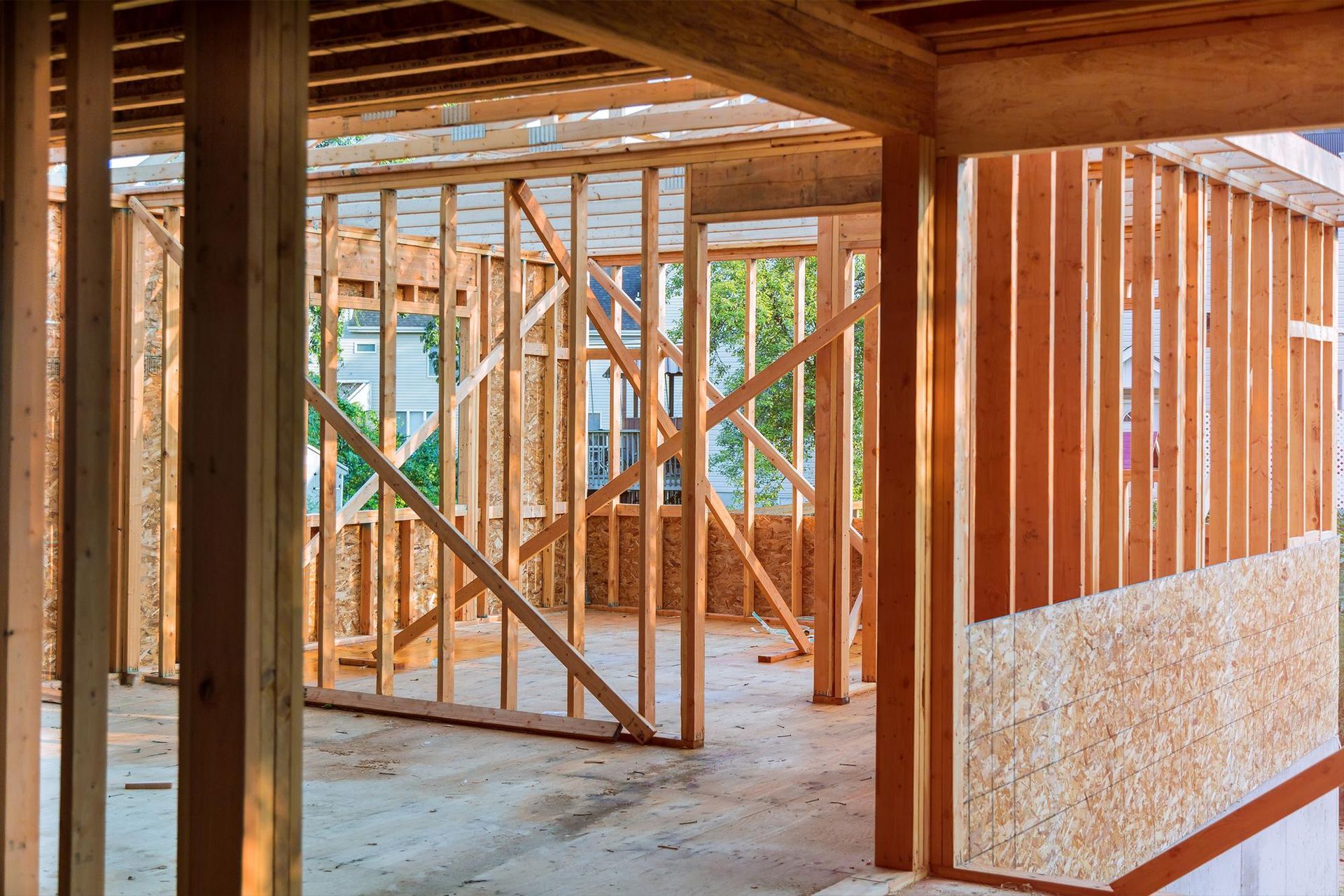
- Framing and structure: The inspector looks for visible concerns in wall framing, floor systems, roof framing, bracing, damaged lumber, missing supports, or areas that do not appear to be properly aligned.
- Plumbing rough-ins: Visible water lines, drain lines, venting, pipe support, and placement are reviewed. The inspector may look for signs of damage, poor slope, loose piping, or installation concerns.
- Electrical rough-ins: Wiring, outlet boxes, switch boxes, panel areas, cable protection, and visible grounding components may be reviewed. This helps identify potential concerns before wall covering begins.
- HVAC layout: Duct placement, register locations, venting, and visible equipment connections may be checked. Poor duct layout or damaged components can affect comfort and airflow later.
- Exterior openings: Windows, doors, flashing, and visible weather protection details may be reviewed for concerns that could allow air or moisture intrusion.
Each home is different, so the exact inspection scope depends on the construction stage and what is accessible on the day of the inspection.
Framing Concerns Buyers Should Understand
Framing creates the shape and support system of the home. If something is wrong at this stage, it can affect how walls, floors, doors, windows, and ceilings perform later.
Professional Inspectors may look for bowed studs, damaged framing members, missing blocking, poor connections, improper notching, or areas where framing appears inconsistent. Some findings may be minor, while others may need builder review before moving forward.
Framing issues are easier to discuss and correct before drywall is installed. Once the walls are covered, many of these details are no longer visible.
Plumbing, Electrical, and HVAC Details
The rough-in stage is when many mechanical systems are installed. These systems must be installed correctly so they work as intended once the home is complete.
The inspector may review visible plumbing lines for support, protection, and placement. Drain and vent lines should appear properly routed and secured. Electrical wiring should be protected where needed and routed safely through framing. HVAC ducts should appear connected, supported, and positioned to allow proper airflow.
This stage is also a good time to compare visible work with the home's layout. For example, buyers may notice the locations of outlets, vents, or plumbing before finishes are installed.
What the Report Should Provide
After the inspection, the buyer should receive an inspection report with clear findings and photos. The report should explain visible concerns in an easy-to-understand way. It should not be filled with confusing language or vague notes.
A helpful report may include:
- Photos of important findings: Images help buyers, builders, and agents identify the exact issue and its location.
- Clear descriptions: The report should explain what was observed and why it may matter.
- Recommended next steps: Some items may need builder correction, while others may need further review by a qualified trade professional.
- Location details: Location details should be specific enough that the builder can review them without confusion.
Questions to Ask Before the Inspection
Homebuyers can get more value from the process by asking the right questions before the appointment. Helpful questions include:
- Has framing, plumbing, electrical, and HVAC rough-in work been completed?
- Has insulation been installed yet?
- Will the builder allow access before drywall begins?
- Can the buyer attend the inspection?
- How will the builder handle inspection findings?
- When is drywall scheduled to start?
New Construction pre-drywall inspection works best when the timing is coordinated, and the builder has a chance to review the report before closing up the walls.
How Buyers Should Use the Findings
The inspection report should be reviewed carefully and shared with the builder or project representative. Buyers should focus on items that affect safety, structural integrity, moisture protection, mechanical systems, or long-term functionality.
Not every finding means something is seriously wrong. New construction projects involve many steps, and some incomplete items may already be scheduled for correction. The value of the inspection is that it helps document concerns and create a clear conversation before the next stage begins.
Buyers should ask for clarification when needed and keep copies of reports, photos, and builder responses for their records.
Why New Homes Still Need Independent Review
Many buyers assume builder quality control and local inspections are enough. These steps are important, but an independent inspection provides another layer of attention.
New homes are built by many trades working on tight schedules. Mistakes can happen. Materials can be damaged. Details can be missed. Weather exposure can affect unfinished construction. A professional inspector brings a fresh set of eyes to the project before key systems are covered.
A new construction pre-drywall inspection helps buyers feel more informed throughout the building process and provides them with useful documentation.
Conclusion
A home under construction changes quickly, and some of the most important systems are visible for only a short period. Reviewing the home before drywall installation gives buyers a valuable chance to identify concerns, ask better questions, and understand how the property is being built.
Blue Spruce Inspections provides detailed inspections for buyers seeking clear information throughout the new construction process. Our pre-drywall inspection service helps document visible conditions before walls are closed, giving you practical insight when it matters most. Our team is InterNACHI certified and uses advanced tools, including infrared technology, to provide a more comprehensive inspection experience.
We also offer flexible scheduling and clear reports that help you understand findings without confusion. Schedule your pre-drywall inspection with Blue Spruce Inspections today and move forward with greater confidence in your new home.
Frequently Asked Questions
What is the purpose of this inspection?
The purpose is to review visible framing, plumbing, electrical, HVAC, and other construction details before drywall covers them. It helps buyers identify concerns while access is still available.
Is this inspection required?
It is usually not required by the builder or local authority, but many buyers choose it for added peace of mind and better documentation during construction.
Can the builder fix issues found in the report?
Yes, many concerns can be reviewed by the builder before drywall installation. The buyer should share the report promptly and ask how the findings will be addressed.
Should I attend the inspection?
If allowed, attending can be helpful. You can learn more about the home's systems, ask questions, and better understand the report later.
Does this replace the final home inspection?
No. This inspection takes place during construction, while the final inspection occurs near completion. Both inspections review different stages of the home.
Disclaimer: The information on this website and blog is for general informational purposes only and is not professional advice. We make no guarantees of accuracy or completeness. We disclaim all liability for errors, omissions, or reliance on this content. Always consult a qualified professional for specific guidance.
Search Blog
Recent Posts