How Does a Radon Mitigation System Work? A Step-by-Step Guide
Radon can enter a home from the soil beneath the foundation without creating a smell, stain, or other obvious warning sign. If testing shows elevated radon levels, homeowners may need to consider ways to reduce radon entering the living space.
Most radon gas mitigation systems work by changing the pressure beneath the home and directing soil gas outdoors before it can enter. The exact setup depends on the foundation, soil conditions, crawlspace design, and other property features.
Understanding the basic process makes it much easier to discuss mitigation with a qualified contractor. Here is how the process generally works, step by step.
Step 1: Radon Levels Are Measured First
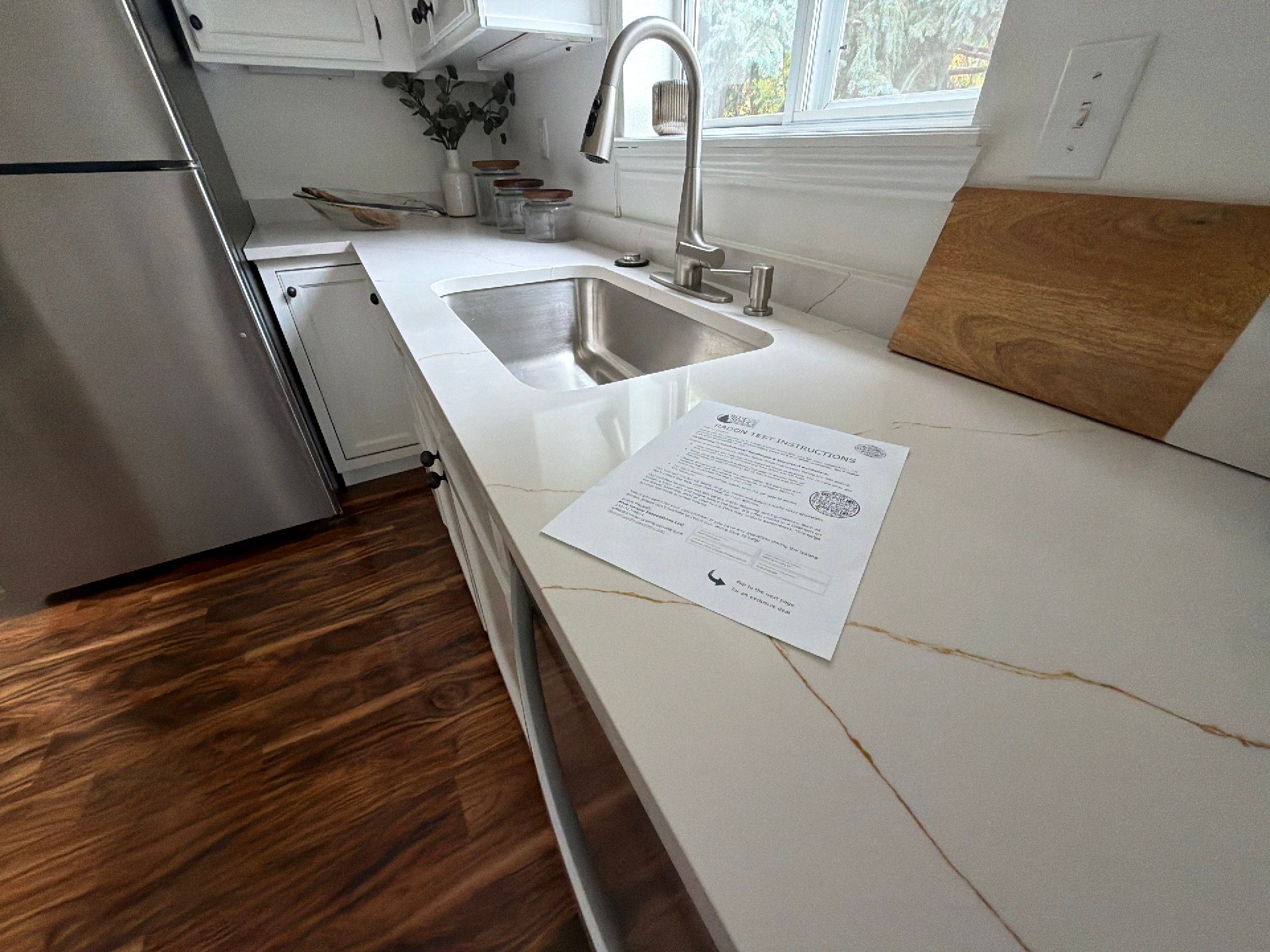
Mitigation should start with reliable information. Because radon cannot be detected by sight or smell, testing is needed to determine the concentration inside the home.
A test is typically placed in an appropriate lower-level area under specific testing conditions. The results help homeowners determine whether further action is warranted.
Testing also provides a starting point. After installing a reduction system, another test can be compared with the earlier result to determine whether the system is reducing indoor radon as intended.
The important point is that mitigation should respond to actual test results rather than to assumptions based on a home's age, appearance, or location. Understanding what radon testing is and why it's important can help homeowners make informed decisions before considering mitigation.
Step 2: The Foundation Type Is Identified
Not every house manages soil gas in exactly the same way. The foundation design strongly affects how a reduction system is planned.
Common foundation types include:
- Basement foundations: Radon may enter through cracks, joints, sump openings, utility penetrations, and other pathways between the soil and basement.
- Slab-on-grade foundations: The living space sits directly above a concrete slab, so a contractor may need to create suction beneath that slab.
- Crawlspaces: Exposed soil can provide a large area where soil gas may enter. These homes often require a sealed membrane as part of the system.
Some properties contain more than one foundation type. A home might have a basement under one section and a crawlspace under another. That can make system design more complex.
Step 3: A Suction Point Is Created
One of the most common approaches for basement and slab foundations is active soil depressurization.
A contractor creates an opening through the slab and removes a small amount of material beneath it. The contractor then connects a pipe to that suction point.
The goal is not to pull indoor air through the floor. Instead, the system creates lower pressure beneath the slab. Soil gas is drawn toward the pipe before it enters the home through cracks or openings.
This radon mitigation method is widely used because it addresses radon near one of its main entry areas, the soil beneath the building.
Depending on the foundation layout and the material beneath the slab, one suction point may work for some homes, while other properties may require additional points.
Step 4: A Vent Pipe Carries Soil Gas Away
Once soil gas reaches the suction pipe, it needs a safe route outside.
Approved vent piping carries soil gas to a discharge location above the roofline, positioned to reduce the chance of gas re-entering the building. The pipe may run through part of the home, the garage, the attic, or along the exterior, depending on the design.
The exhaust location matters. The goal is to release radon outdoors so it can disperse, rather than allowing it to re-enter through nearby windows, doors, or other openings.
The exact pipe route depends on the home and applicable installation requirements. A qualified mitigation contractor determines how to arrange the system.
Step 5: A Fan Creates Continuous Suction
Many systems use an electric fan to maintain negative pressure below the slab.
The fan continuously draws soil gas into the piping and moves it outside. It is normally designed to run continuously rather than being switched on only when someone thinks radon levels may be high.
An active system depends on the fan operating correctly. If the fan stops, the pressure beneath the foundation can change, and the system may no longer reduce radon as intended.
For this reason, active systems commonly include a simple device to help homeowners verify that suction is being created.
Step 6: Openings May Be Sealed As Part Of The Work
Foundation openings can provide pathways for soil gas. Depending on the home, the contractor may seal certain cracks, sump openings, pipe penetrations, or other accessible gaps.
Sealing can improve system performance, but homeowners should understand an important point: sealing alone is generally not the same as creating active soil suction.
Concrete naturally contains joints, cracks, and penetrations, and it may not be practical to identify or seal every possible entry route.
Instead, sealing is often used together with pressure control. The suction system addresses soil gas below the structure while sealing helps limit obvious pathways into the living area.
Step 7: Crawlspaces Require A Different Approach
Homes with exposed-earth crawlspaces require a different design because there may not be a concrete slab to serve as a traditional suction point.
A common radon mitigation method involves placing a durable membrane over the exposed soil. Seal the edges and penetrations so you can depressurize the space beneath the membrane.
A suction pipe connects below the membrane. A fan then draws soil gas from beneath it and vents it outside.
The membrane creates a controlled boundary between the soil and the crawlspace air. Proper installation around support posts, foundation walls, pipes, and other penetrations matters because these areas can otherwise let air bypass the system.
Step 8: The System Is Checked After Installation
Installing the equipment is not the last step.
The system should be checked to make sure it is operating as intended. This may include confirming airflow or pressure within the piping, reviewing the fan and system indicator, and inspecting the visible installation.
Homeowners should also understand how to check the system indicator. If it later shows an unusual reading, it may indicate that the fan or another component needs professional attention.
Radon gas mitigation systems require some ongoing awareness even though they generally operate quietly in the background.
Step 9: Radon Is Tested Again
The most important way to determine whether mitigation is working is to remeasure the indoor radon level.
A post-mitigation test provides evidence of the system's effectiveness. A fan running does not, by itself, confirm the indoor concentration.
Testing also provides homeowners with a useful record. Keep both the original test results and the post-mitigation results with property documents.
Periodic testing later is also helpful because homes and systems can change over time.
Active And Passive Systems Are Not The Same
Homeowners may hear the terms "active" and "passive" when discussing radon control.
A passive system uses piping but does not rely on a powered fan to create continuous suction. Natural pressure and airflow help move soil gas through the pipe.
An active system includes a fan that creates continuous suction beneath the foundation or membrane.
Some newly built homes may already contain passive radon-resistant components. If later testing shows elevated radon levels, a qualified professional may determine whether the existing setup can be activated or modified.
Radon-resistant features do not remove the need to test the completed home.
Why One System Does Not Fit Every House
A neighbor's mitigation setup may look very different from what we recommend for your property.
System design can be affected by:
- Foundation type and size
- Soil conditions below the building
- Number of foundation sections
- Finished basement areas
- Crawlspace configuration
- Existing sump systems
- Available pipe routes
- Location of mechanical equipment
Large or complex homes may need more than one suction point. Houses with mixed foundations may require different techniques to address separate areas.
This is why the system should be designed for the specific property rather than copied from another home.
Testing And Mitigation Have Different Jobs
Radon testing and mitigation are closely connected, but they serve different purposes.
Testing measures the amount of radon inside the home. Mitigation reduces indoor radon. The soil-suction systems discussed here do this by controlling pressure beneath the slab or crawlspace membrane.
A testing professional does not necessarily install reduction equipment, and a mitigation contractor does not replace the need for objective measurements.
Keeping these roles clear helps homeowners make informed decisions based on measured conditions, not assumptions.
Conclusion
A radon reduction system works by controlling how soil gas moves beneath and around a home. In many cases, piping and a continuously operating fan create suction below the foundation and direct radon outdoors before it enters the living space. Crawlspace homes may use a sealed membrane with suction beneath it.
The process should begin and end with testing. Blue Spruce Inspections provides professional radon testing to help homeowners understand indoor radon levels before making mitigation decisions and to provide useful information about the property.
Contact us to schedule professional radon testing and get clear information about radon levels in your home.
Frequently Asked Questions
What is a mitigation system for radon?
It is a system designed to reduce the amount of radon entering or remaining inside a building. Many systems use piping and a fan to draw soil gas from beneath the foundation and discharge it outdoors.
Does sealing foundation cracks solve a radon problem?
Sealing accessible cracks may support a reduction strategy, but sealing alone may not control every pathway. Many homes require a pressure-based system to manage soil gas below the foundation.
Does a radon fan need to run continuously?
Active systems are generally designed so the fan operates continuously. Turning the fan off can reduce or eliminate the suction needed beneath the foundation.
How do you know whether mitigation is working?
The home should be tested again after the system is operating. A working fan or pressure indicator can show that the equipment is running, but a radon measurement is needed to determine the indoor level.
Can a home with a radon system still have elevated radon?
Yes. System problems, building changes, fan failure, or other conditions can affect performance. Periodic testing helps homeowners confirm that indoor levels remain reduced.
Disclaimer: The information on this website and blog is for general informational purposes only and is not professional advice. We make no guarantees of accuracy or completeness. We disclaim all liability for errors, omissions, or reliance on this content. Always consult a qualified professional for specific guidance.
Search Blog
Recent Posts