What Is Radon Testing and Why Does It Matter for Your Health?
Radon is a silent and invisible danger: a gas that can travel from the ground into houses through cracks and openings, affecting indoor air without any signs. You cannot see or taste it, and it has no smell; however, prolonged exposure can cause health problems. Therefore, radon testing has become the way people protect their families and make decisions about their indoor air quality.
If you want to understand home radon testing, you are in the right place. It helps you a lot if you want to buy or sell a home, or even if you just want to be worry-free.
What Is Radon?
Radon is a radioactive gas that is formed naturally in the environment. It comes from the breakdown of uranium found in soil, rock, and water. Radon is generally odorless, colorless, and tasteless.
As radon gas is released from the soil and rock, it can sometimes enter homes and cause indoor concentrations.
According to the Environmental Protection Agency, radon is the number one cause of lung cancer other than smoking and is one of the leading environmental causes of lung cancer.
What Is Radon Testing?
Radon testing measures the presence and levels of radon gas in a building’s enclosed spaces.. It aims to check whether indoor air contains radon at dangerous levels.
Home radon testing is done by using radon-detecting devices or radon monitors, which are generally kept in the lowest living areas of a house, e.g.
- Basements
- Crawl Spaces
- First Floors
These devices collect air samples over a specific period of time to estimate radon levels.
Using a professional to do the radon testing can be far more precise than a simple home radon testing kit.
Why Does Radon Matter for Your Health?
Long-term radon exposure increases lung cancer risk
Radon getting into the lungs releases radiation, which can cause lung cancer after long-term exposure.
This health risk is especially significant for smokers who are also exposed to high levels of radon. But radon can pose a health risk to everyone, including those who never smoke and children.
The only way to know if radon is present in your home is through regular testing.
Radon Gives No Warning Signs
The biggest problem with radon is that you only find out it is in your home if you test for it.
Radon has no:
- Smell
- Color
- Immediate Symptoms
Even a clean-looking house may have high radon levels.
How Does Radon Enter a Home?
Radon will find its way into a house through any small cracks or openings in the building structure. Typically, these are the places where radon comes in:
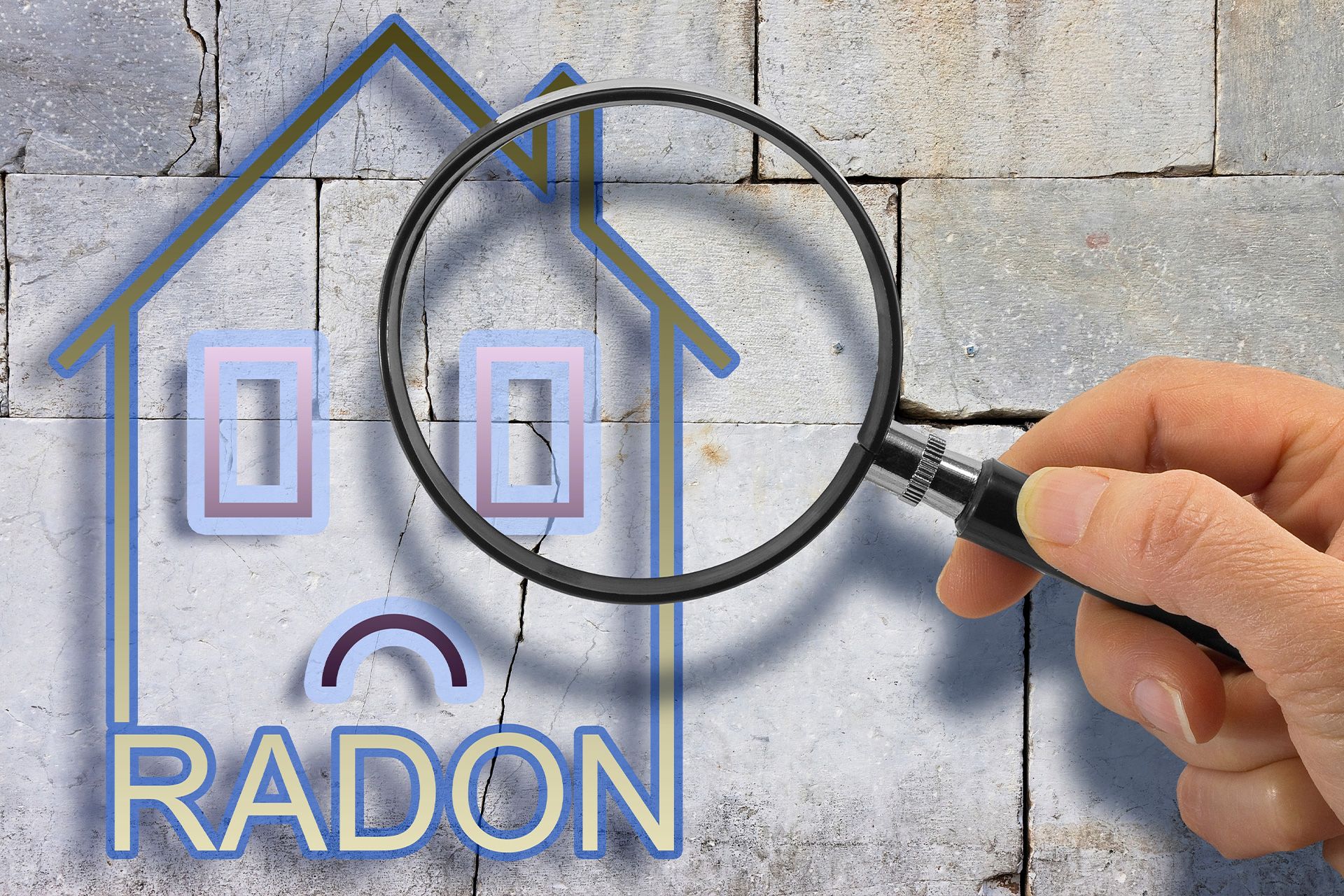
- Concrete and Foundation Cracks: If there are small cracks or pores in the concrete, radon gas can enter the building through them.
- Crawl Space: If the house has a crawl space, soil gases may move up into the living areas.
- Sump Pump Openings and Drains: Radon can get in through floor drains and openings around sump pumps.
- Construction Joints: Places where walls and floors meet can allow radon gas to enter.
So, even if a house is new, it doesn't mean that there won't be radon problems. The age of a house does not guarantee whether it will have radon problems.
What Happens During Home Radon Testing?
Being familiar with how a test works might make it easier to schedule one.
Where Testing Equipment Is Placed
Radon inspectors place radon measuring instruments in the lowest part of the house, which is most suitable for living.
The devices should remain undisturbed throughout the test to produce reliable readings.
Duration of the Test
Short-term radon tests take a minimum of 48 hours to complete. Long-term tests may last longer to observe seasonal changes.
Analyzing Results
Upon completion of the test, the inspector considers the radon test results.
Should the level exceed 4 pCi/L, the EPA threshold for taking action, a certified radon inspector will discuss options and advise on a suitable course of action.
Why You Should Hire Certified Radon Inspectors
Trusting professionals to conduct the testing will not only make you feel confident about the test results but also prevent many potential mistakes.
Certified radon inspectors are educated and trained in the following areas:
- Performing tests according to standards
- Utilizing state-of-the-art instruments
- Correctly grasping and explaining the radon testing results
- Making suitable recommendations and guiding
When you choose experts to conduct the testing, you will also avoid errors caused by the wrong location or ignorance of the testing procedure, which often occur with DIY kits.
When Should You Schedule Radon Testing?
There are different reasons to test the home for radon.
When Buying or Selling a Home
Typically, buyers request a radon test before finalizing a contract. The presence of radon can affect both the negotiation and the future of the repair.
After Renovations
Significant changes to the property can alter air movement and foundation conditions, which in turn could increase radon levels.
Periodic Monitoring
Radon concentration can vary over time. Testing every few years keeps homeowners updated on their indoor air quality.
Before Finishing a Basement
Many homeowners will test for radon before deciding to make the basement a living area for safety reasons.
What Radon Levels Are Considered Unsafe?
Radon is generally measured in units of pCi/L (picocuries per liter).
The EPA sets 4.0 pCi/L as the action level for radon, at which point mitigation is recommended.
While some risk is associated even with exposures below 4 pCi/L, many people choose to reduce their radon levels if they are higher than 2 pCi/L.
How Are High Radon Levels Reduced?
If a building is found to have radon levels exceeding recommended levels, several methods are available to reduce radon concentrations inside the building.
For example, methods include:
- Using ventilation systems
- Applying sub-slab depressurization technology
- Sealing the foundation cracks and openings
Usually, certified radon inspectors can advise you best on what would be suitable for the house.
Benefits of Radon Testing
- Protects Your Family's Health: It is a beneficial preventive measure in which radon levels are monitored, and the masked threat is identified and addressed before it causes chronic problems.
- Peace of Mind: Knowing your home's radon level helps you make a rational, informed decision about the future.
- Helps with Real Estate Transactions: This kind of test helps buyers and sellers know what to expect and how to handle the process without surprises.
- Raises Awareness of Indoor Air Quality: Testing is getting popular as homeowners recognize it as an important part of their complete indoor air quality program.
Conclusion
Radon is an invisible gas, but its health risks are very real. Professional radon testing helps homeowners determine whether their indoor air is safe. If steps are needed to reduce radon exposure, they will also know that. Certified radon inspectors ensure that testing is done accurately, that the guidance is reliable, and that the family has peace of mind.
Blue Spruce Inspections offers professional, reliable, high-quality home radon testing services. We use the most reliable testing methods and deliver detailed reports, so you know your health and home are protected.
FAQs
What is the purpose of radon testing?
Radon testing is carried out to determine how much radon gas is present inside a home and to evaluate whether the level is potentially dangerous for long-term exposure.
How long does home radon testing take?
Generally, short-term radon testing is completed within 48 hours to a few days, depending on the testing method used.
Can new homes have radon problems?
Yes. Both old and new homes can have elevated radon levels because radon comes from the soil beneath the property.
Are do-it-yourself radon kits accurate?
Some DIY radon test kits can provide basic readings, but professional testing by certified radon inspectors is generally more accurate and reliable.
Should I test for radon if I do not have a basement?
Yes. Radon can affect homes with or without basements because the gas can enter through various openings in the structure.
Disclaimer: The information on this website and blog is for general informational purposes only and is not professional advice. We make no guarantees of accuracy or completeness. We disclaim all liability for errors, omissions, or reliance on this content. Always consult a qualified professional for specific guidance.
Search Blog
Recent Posts