Home Inspection Checklist for Colorado Homebuyers
A Complete Guide to What to Expect Before Buying a Home
Buying a home in Colorado is exciting, but it also comes with risks if you don’t fully understand the condition of the property. From mountain weather impacts to soil movement and older housing stock in many areas, Colorado homes often have hidden issues that only a detailed inspection can reveal.
A professional home inspection is one of the most important steps in the buying process. It helps you avoid costly surprises, negotiate better, and make a confident decision before closing.
This guide breaks down a complete home inspection checklist for Colorado homebuyers so you know exactly what gets evaluated, and why it matters.
Why Home Inspections Matter in Colorado
Colorado’s housing conditions are unique compared to many other states. Homes here are exposed to:
- Heavy snow loads and roof stress
- Freeze-thaw cycles that damage foundations
- Expansive soil that can cause shifting and cracks
- High-altitude UV exposure that wears roofing faster
- Radon gas risk in many regions
Because of these conditions, skipping a home inspection can lead to expensive repairs after purchase. A proper inspection helps you understand the real condition of the property, not just what you see during a showing.
Complete Home Inspection Checklist for Colorado Homebuyers
A certified inspector evaluates multiple systems and components of the home. Here’s what a standard inspection typically includes:
1. Roof System Inspection
The roof is one of the most critical components of a home, especially in Colorado where snow and hail are common.
What Inspectors Check:
- Shingle condition and wear
- Missing or damaged shingles
- Flashing around chimneys and vents
- Signs of leaks or water intrusion
- Gutter and drainage performance
- Roof age and remaining lifespan
Roof repairs can be expensive, so identifying issues early helps you plan or negotiate before buying.
2. Foundation and Structure
Colorado homes are often affected by soil movement and seasonal temperature changes.
Key Areas Reviewed:
- Foundation cracks (vertical or horizontal)
- Settlement or shifting signs
- Basement wall integrity
- Floor leveling issues
- Structural framing condition
Small cracks may be normal, but certain patterns can indicate serious structural concerns.
3. Exterior Evaluation
The exterior protects your home from harsh weather conditions year-round.
Inspectors Look For:
- Siding damage or deterioration
- Paint condition and moisture protection
- Windows and door sealing
- Driveways, walkways, and grading
- Decks, porches, and railings
Proper drainage away from the home is especially important in Colorado to prevent water damage and foundation issues.
4. Attic and Insulation
Energy efficiency and moisture control start in the attic.
Inspection Points:
- Insulation depth and condition
- Ventilation and airflow
- Signs of roof leaks
- Mold or moisture buildup
- Structural framing condition
Poor insulation can lead to higher energy bills and uneven indoor temperatures.
5. Plumbing System
A thorough plumbing inspection ensures there are no hidden leaks or aging pipes.
What Gets Checked:
- Water pressure and flow
- Pipe material and condition
- Drainage systems
- Water heater operation
- Signs of leaks or corrosion
Older homes may still have outdated plumbing systems that need replacement.
6. Electrical System
Electrical safety is a top priority in any home inspection.
Inspectors Evaluate:
- Electrical panel condition
- Circuit breakers and wiring
- Outlets and switches
- Grounding and safety issues
- Signs of outdated or unsafe wiring
Electrical issues can be costly and potentially hazardous if not addressed.
7. HVAC System (Heating & Cooling)
Colorado’s climate requires reliable heating systems, especially in winter.
Inspection Includes:
- Furnace operation and age
- Air conditioning system performance
- Thermostat functionality
- Airflow and duct condition
- Filter and ventilation systems
A failing HVAC system can be one of the most expensive repairs after purchase.
8. Interior Inspection
Inside the home, inspectors evaluate visible signs of damage or wear.
Key Areas:
- Walls, ceilings, and floors
- Doors and windows
- Signs of moisture or staining
- Staircases and railings
- Overall structural condition
These details often reveal past water damage or ongoing maintenance issues.
9. Basement and Crawl Spaces
These hidden areas often reveal the most serious problems.
What Inspectors Look For:
- Moisture or water intrusion
- Mold or mildew
- Foundation cracks
- Insulation and vapor barriers
- Pest activity
In Colorado, basements are common, making this step especially important.
10. Appliances and Fixtures
Built-in appliances are tested for basic functionality.
Includes:
- Oven, stove, and range
- Dishwasher operation
- Garbage disposal
- Exhaust fans
- Built-in microwave systems
While not always deal-breakers, repairs can add up quickly.
Additional Testing Recommended for Colorado Homes
In addition to a standard inspection, Colorado buyers often benefit from:
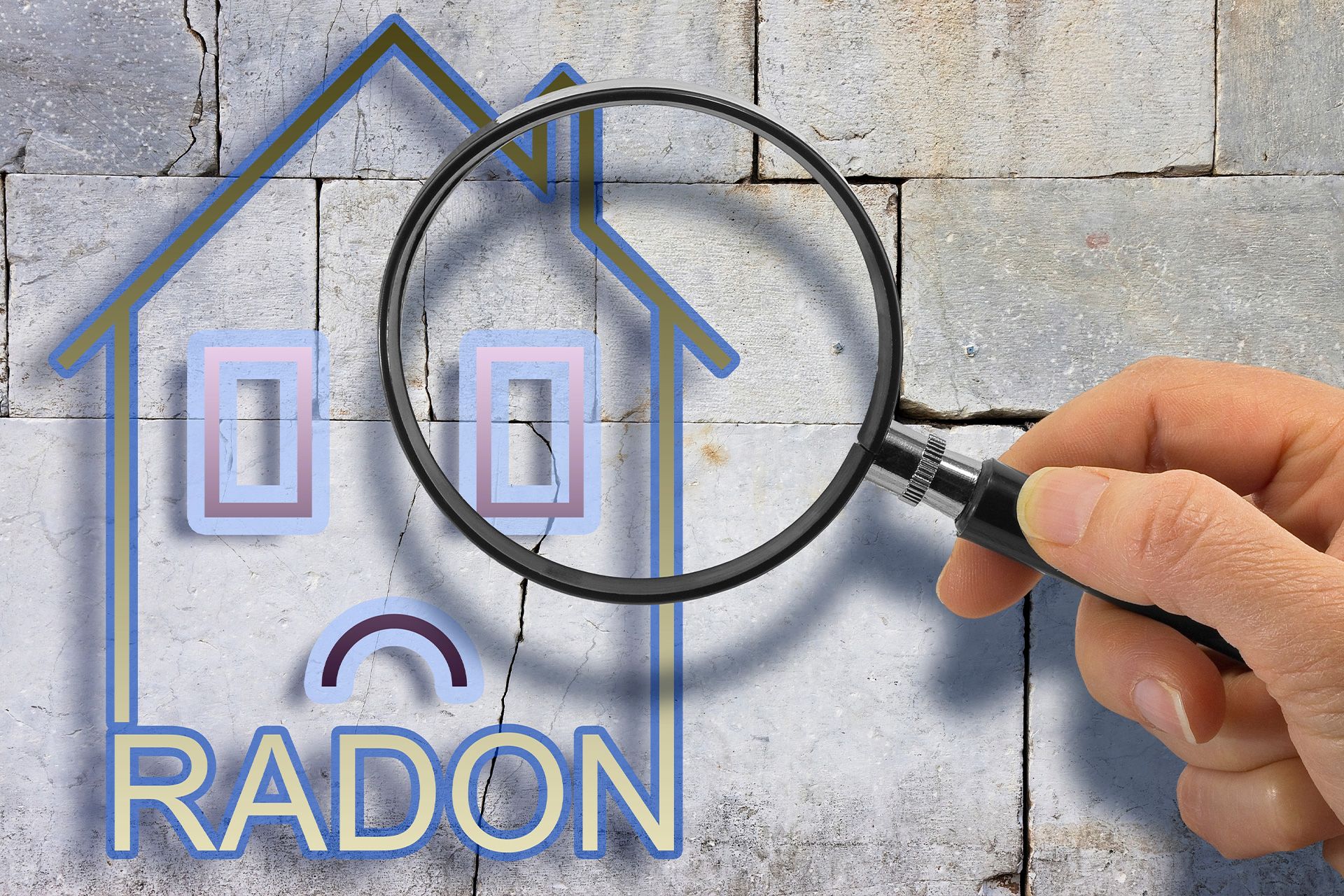
Radon Testing
Colorado has elevated radon levels in many areas, making this a critical safety test.
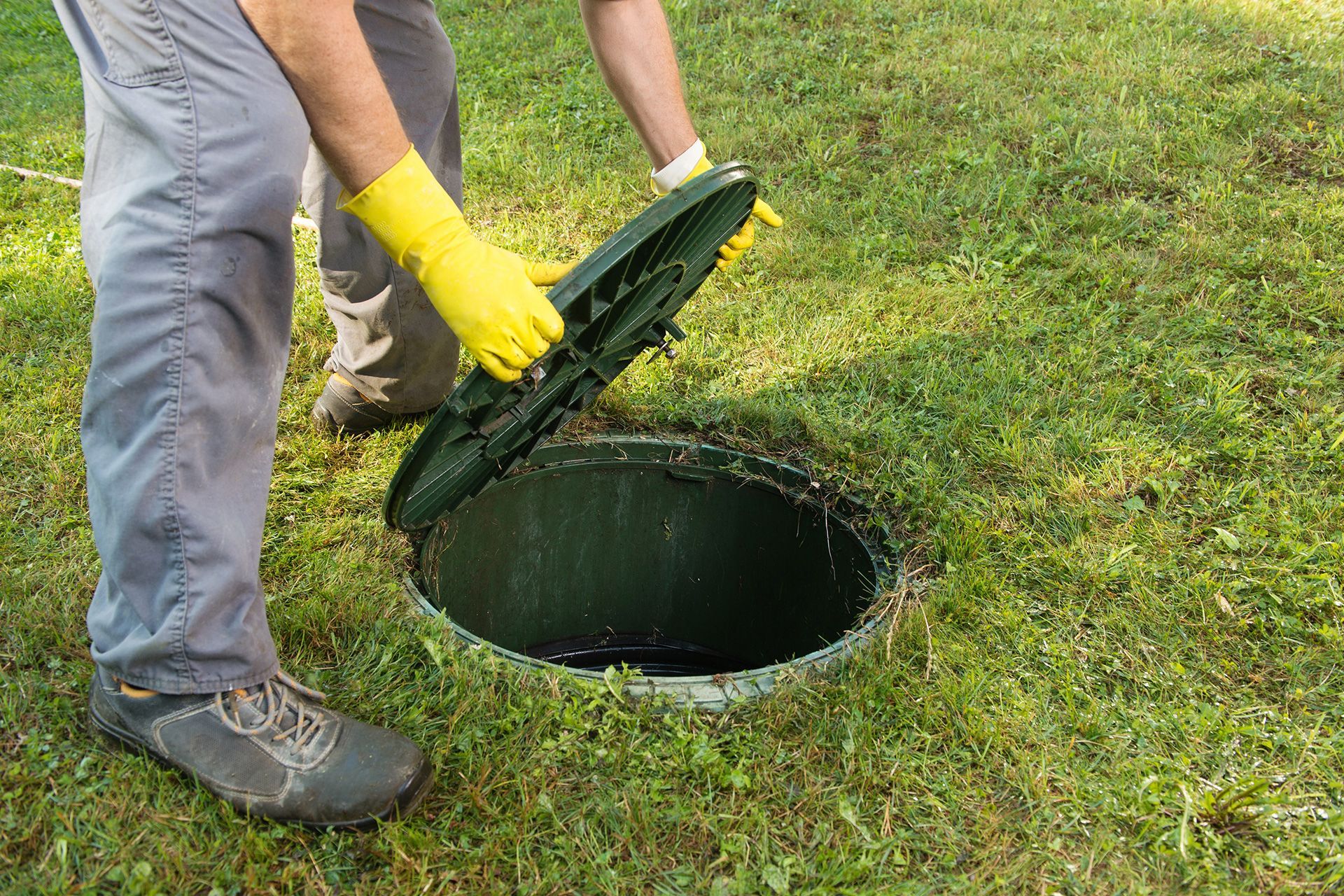
Sewer Scope Inspection
Helps identify root intrusion, cracks, or aging sewer lines.
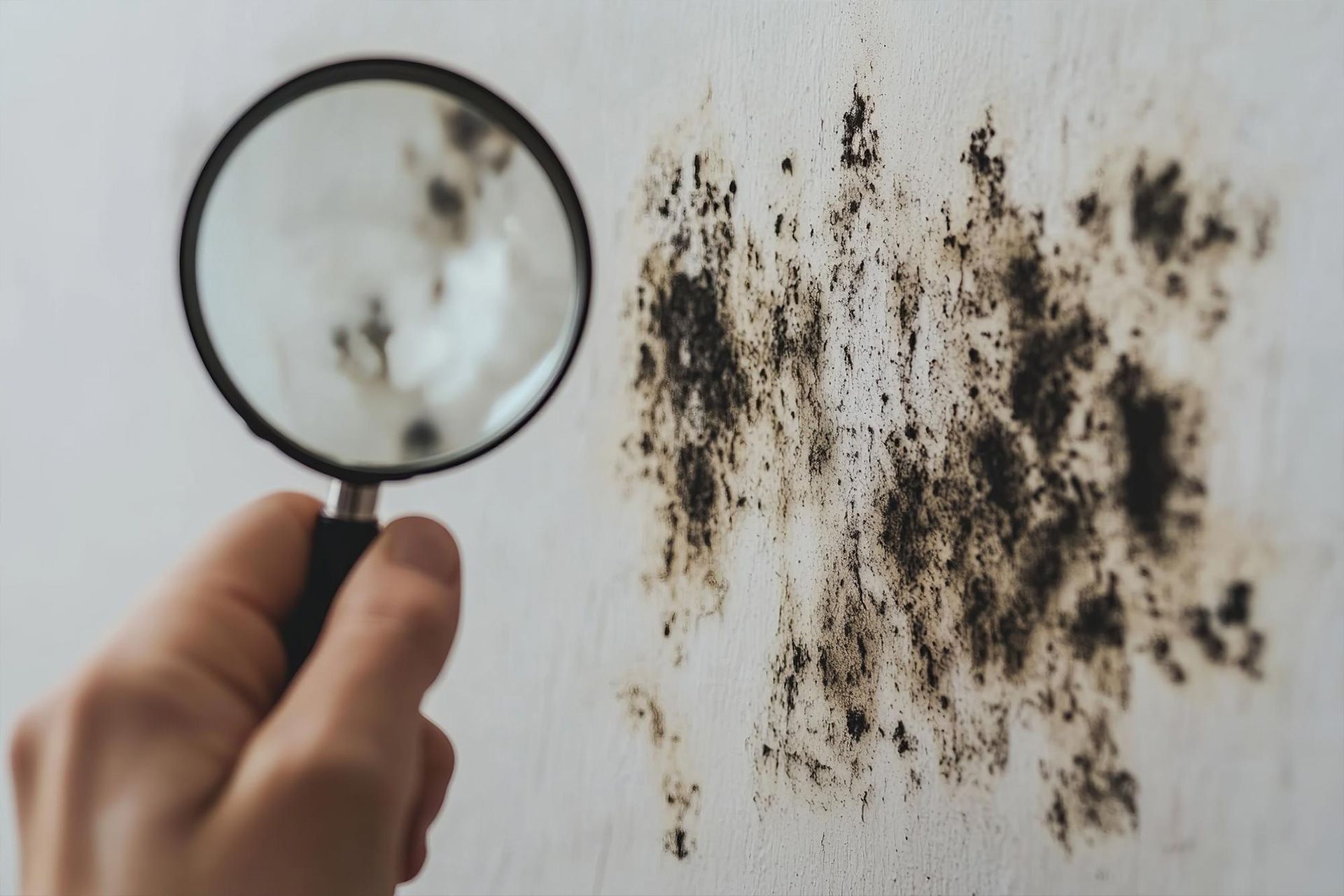
Mold Testing
Important for homes with moisture history or poor ventilation.
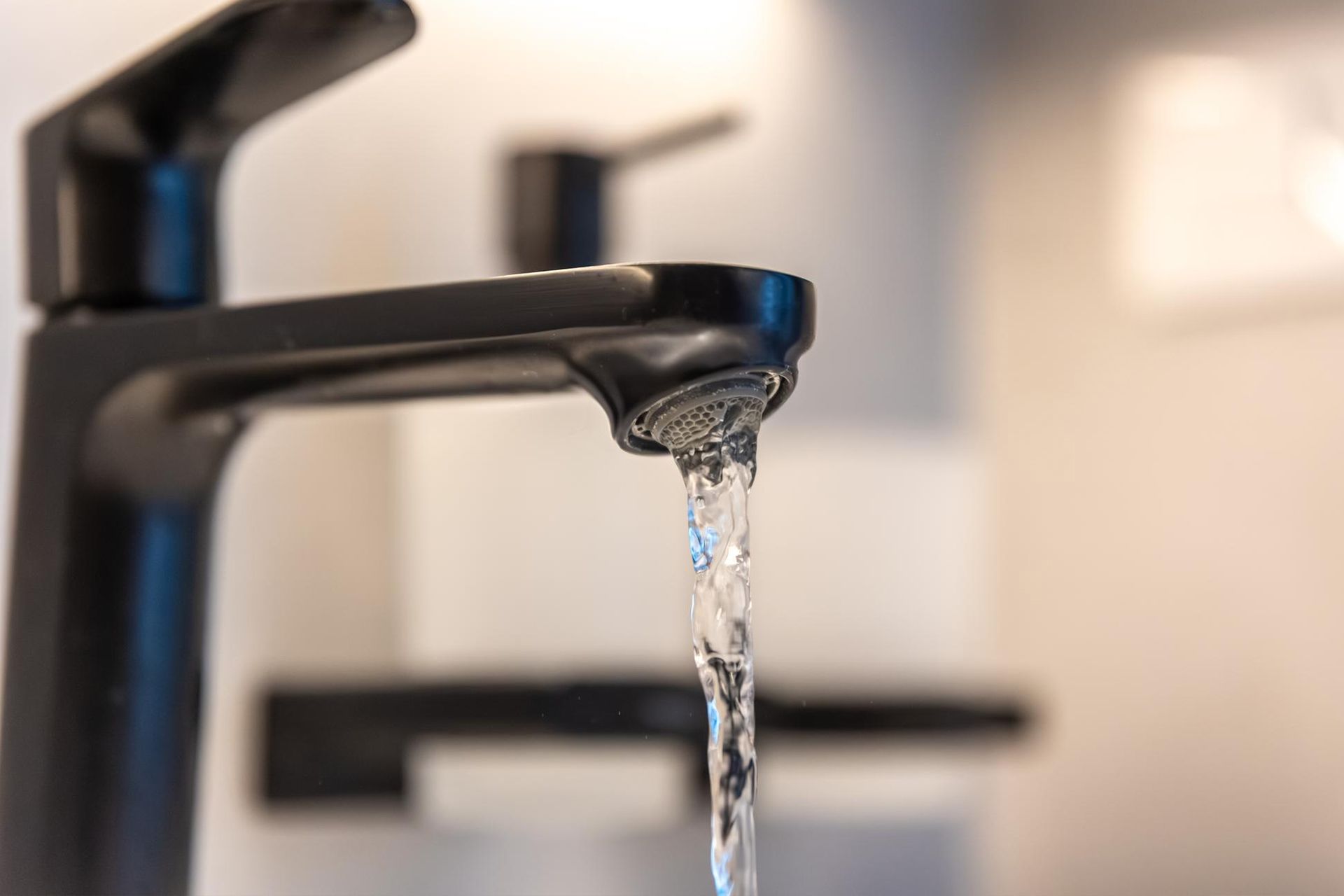
Well Water Testing
Essential for rural properties relying on private water systems.
What Happens After the Inspection?
Once the inspection is complete, you’ll receive a detailed report that includes:
- Photos of issues found
- Severity ratings
- Repair recommendations
- Maintenance suggestions
- Safety concerns
You can then use this information to:
- Negotiate repairs or price reductions
- Request seller concessions
- Walk away if major issues are found
- Plan future maintenance
Tips for Colorado Homebuyers
Here are a few expert tips to make your inspection more valuable:
- Attend the inspection whenever possible
- Ask questions during the walkthrough
- Don’t ignore small issues, they can become expensive
- Always review the full report carefully
- Consider additional testing for radon and sewer lines
A home inspection is not just a formality, it’s a powerful decision-making tool.
Final Thoughts
A home inspection is one of the most valuable steps in the homebuying process, especially in Colorado where environmental conditions can significantly impact a property’s condition over time. A detailed inspection gives you clarity, confidence, and protection before making one of the biggest financial decisions of your life.
Schedule your professional home inspection today and make your Colorado home purchase with complete confidence.
Frequently Asked Questions (FAQs)
How long does a home inspection take in Colorado?
Most inspections take 2 to 4 hours depending on the size and condition of the home.
Do I need a home inspection for new construction?
Yes. New homes can still have construction defects, which is why pre-drywall and warranty inspections are highly recommended.
Is radon really a concern in Colorado?
Yes. Many areas in Colorado have elevated radon levels, making testing strongly recommended for all homes.
Can a home inspection help with price negotiation?
Absolutely. Inspection findings are often used to negotiate repairs or reduce the purchase price.
Should I attend the inspection?
Yes. Being present helps you understand the property better and ask real-time questions.
What if major issues are found?
You can request repairs, negotiate credits, or reconsider the purchase depending on severity.
Disclaimer: The information on this website and blog is for general informational purposes only and is not professional advice. We make no guarantees of accuracy or completeness. We disclaim all liability for errors, omissions, or reliance on this content. Always consult a qualified professional for specific guidance.
Search Blog
Recent Posts