Why Commercial Property Inspections Are Crucial Before Buying or Leasing a Building
Buying or leasing a commercial property is a major financial decision, often involving long-term commitments, significant capital, and operational risks. Unlike residential properties, commercial buildings come with more complex systems, higher usage demands, and stricter safety and compliance requirements.
This is why a commercial property inspection is not optional, it’s essential.
A professional inspection gives you a clear, unbiased understanding of the building’s condition so you can make informed decisions, avoid unexpected expenses, and negotiate confidently. Whether you're purchasing an office space, retail center, warehouse, or multi-unit building, the inspection process can protect you from costly surprises.
What Is a Commercial Property Inspection?
A commercial property inspection is a detailed evaluation of a building’s physical condition and major systems. It identifies existing issues, potential risks, and maintenance needs that may impact the property’s value or usability.
Unlike a simple walkthrough, a commercial inspection is systematic and comprehensive. It evaluates everything from structural integrity to mechanical systems, safety compliance, and long-term maintenance concerns.
The goal is simple: reduce risk and provide clarity before you invest.
Why Commercial Inspections Matter So Much
Commercial properties are often high-value assets with multiple stakeholders involved, investors, tenants, lenders, and business owners. Even minor defects can lead to major financial consequences if left undetected.
Here’s why inspections are critical.
1. Uncover Hidden Structural Issues
The structural integrity of a building is one of the most important aspects of any commercial property. Unfortunately, many serious issues are not visible during a standard property tour.
A professional inspection evaluates:
- Foundation stability
- Load-bearing walls
- Roofing structure
- Flooring systems
- Signs of settlement or shifting
Structural problems can be extremely expensive to repair and may even render a property unsafe if ignored.
By identifying these issues early, you avoid investing in a property that could become a financial burden.
2. Evaluate Electrical and Mechanical Systems
Commercial buildings rely heavily on complex electrical and mechanical systems. These systems are more demanding than residential setups and often require significant upgrades or repairs over time.
An inspection typically assesses:
- Electrical panels and wiring
- HVAC systems and ductwork
- Ventilation and airflow efficiency
- Emergency backup systems
Faulty systems can lead to downtime, safety hazards, or high utility costs. Identifying inefficiencies early helps you plan repairs or negotiate pricing adjustments.
3. Identify Plumbing and Water-Related Risks
Plumbing issues in commercial properties can escalate quickly due to higher usage and larger infrastructure networks.
Inspectors check for:
- Leaks and water damage
- Pipe corrosion or aging systems
- Drainage performance
- Water pressure issues
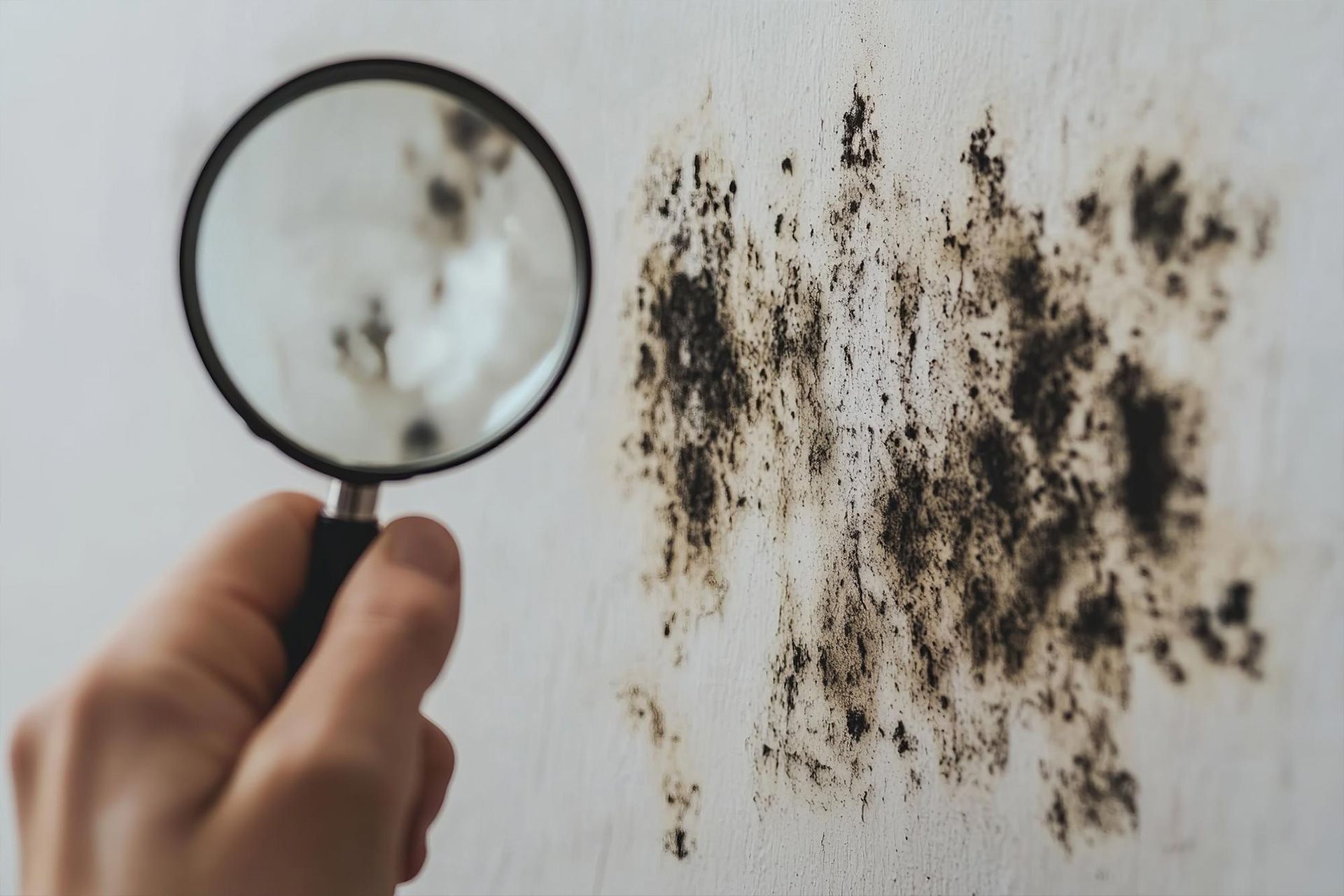
Undetected plumbing problems can lead to mold growth, structural damage, and costly emergency repairs.
4. Ensure Safety and Code Compliance
Commercial properties must comply with local building codes, fire safety regulations, and accessibility requirements. Failure to meet these standards can result in legal issues, fines, or operational restrictions.
A commercial inspection helps identify:
- Fire safety risks
- Emergency exit accessibility
- Structural code violations
- General safety hazards
This is especially important for businesses that need to pass regulatory inspections before opening or renewing licenses.
5. Understand Long-Term Maintenance Costs
One of the biggest advantages of a commercial inspection is gaining insight into future maintenance needs.
Instead of reacting to breakdowns, you can plan ahead for:
- Roof replacement timelines
- HVAC system upgrades
- Exterior repairs
- Parking lot or drainage improvements
This allows property owners and investors to build realistic financial forecasts and avoid unexpected capital expenditures.
6. Strengthen Negotiation Power
A detailed inspection report gives buyers a strong advantage during negotiations.
If issues are found, you can:
- Request repairs before closing
- Negotiate a lower purchase price
- Ask for seller concessions
- Plan post-purchase budgeting
Without an inspection, buyers often lose leverage and risk overpaying for a property that requires significant repairs.
7. Protect Your Investment and Reduce Risk
Commercial real estate is a long-term investment, and every decision impacts profitability. An inspection helps reduce uncertainty and protects your capital.
Whether you plan to lease, occupy, or resell the property, understanding its condition ensures smarter decision-making and reduces long-term financial risk.
8. Improve Tenant Satisfaction and Retention
If you are purchasing or managing a rental commercial property, building conditions directly affect tenant satisfaction.
Well-maintained properties:
- Attract higher-quality tenants
- Reduce vacancy rates
- Increase lease renewal rates
- Command better rental prices
Regular inspections help maintain property standards and ensure tenants remain satisfied and safe.
9. Avoid Unexpected Business Disruptions
For business owners, building issues can interrupt operations. HVAC failures, plumbing leaks, or electrical problems can force downtime and revenue loss.
A commercial inspection helps identify risks before they turn into operational emergencies, ensuring business continuity.
When Should You Get a Commercial Inspection?
You should schedule a commercial inspection in the following situations:
- Before purchasing a commercial building
- Before signing a long-term lease
- Before renovating or remodeling
- During annual property maintenance planning
- When purchasing older or previously occupied buildings
Early inspection is always better than reactive repair.
What a Commercial Inspection Report Includes
A professional report is detailed and easy to understand. It typically includes:
- Summary of findings
- Photographic documentation
- Severity ratings of issues
- Safety concerns
- Recommended repairs or maintenance
- Cost-impact considerations
This helps stakeholders make clear, informed decisions without confusion.
Choosing the Right Inspection Partner Matters
Not all inspection services are the same. Commercial properties require experience, attention to detail, and technical expertise.
A qualified inspector should provide:
- Industry-standard evaluation methods
- Clear and unbiased reporting
- Strong technical knowledge of building systems
- Practical recommendations for repairs and maintenance
Working with the right inspection company ensures accuracy and confidence in your investment decision.
Final Thoughts
A commercial property is more than just a building, it’s a long-term financial asset. Without a proper inspection, you are taking on unnecessary risk that could lead to expensive repairs, compliance issues, or lost revenue.
A thorough commercial inspection provides clarity, confidence, and control. It helps you understand exactly what you are investing in and prepares you for the future with realistic expectations.
Whether you're buying, leasing, or managing a property, inspections are one of the smartest steps you can take before making any major decision.
Book your commercial property inspection today to protect your investment and make confident real estate decisions.
FAQs
What is included in a commercial property inspection?
A commercial inspection includes evaluation of the building structure, roofing, electrical systems, HVAC, plumbing, safety systems, and overall condition of the property.
How long does a commercial inspection take?
It depends on the size and complexity of the building, but most inspections take several hours to a full day.
Do I need a commercial inspection before leasing?
Yes. Even leased properties can have hidden issues that may affect operations or lead to unexpected costs.
Can inspection results affect property price negotiations?
Absolutely. Inspection reports are often used to negotiate repairs, price reductions, or seller credits.
How often should commercial properties be inspected?
At minimum, before purchase or lease. Many owners also schedule annual inspections for maintenance planning.
What types of buildings need commercial inspections?
Office buildings, retail spaces, warehouses, industrial properties, and multi-family units all benefit from inspections.
Are commercial inspections required by law?
Not always, but lenders, insurers, and investors often require them before approving transactions.
Disclaimer: The information on this website and blog is for general informational purposes only and is not professional advice. We make no guarantees of accuracy or completeness. We disclaim all liability for errors, omissions, or reliance on this content. Always consult a qualified professional for specific guidance.
Search Blog
Recent Posts