Hidden Issues Found During Home Inspections: What Buyers Should Know Before Closing a Deal
Buying a home is one of the biggest financial decisions most people will ever make. On the surface, a property may look perfect, fresh paint, modern fixtures, clean landscaping, but a professional home inspection often reveals a very different reality.
A home inspection is designed to uncover hidden issues that are not visible during a typical walkthrough. These problems can range from minor maintenance concerns to serious structural defects that could cost thousands of dollars to repair.
Understanding these hidden issues can help buyers negotiate better, avoid costly surprises, and make more informed decisions before closing.
In this guide, we’ll explore the most common hidden issues found during home inspections and why they matter.
1. Roofing Problems That Aren’t Visible From the Ground
Roof issues are among the most common hidden problems found during inspections. While a roof may look fine from the outside, inspectors often discover issues that are not visible to the untrained eye.
Common hidden roof issues include:
- Missing or damaged shingles
- Improper flashing installation
- Small leaks that haven’t reached interior ceilings yet
- Poor ventilation in the attic
- Aging underlayment or decking
Even minor roof issues can quickly escalate into major water damage problems if not addressed early.
A professional inspector checks not just the surface but also the roof structure, drainage, and attic conditions to ensure there are no hidden risks.
2. Electrical System Deficiencies
Electrical issues are often hidden behind walls, outlets, and panels, making them difficult for buyers to detect during a showing.
Common electrical problems found during inspections:
- Outdated or unsafe wiring (such as aluminum or knob-and-tube wiring)
- Overloaded electrical panels
- Improper grounding
- Non-functional or reversed outlets
- DIY electrical work that doesn’t meet code
These issues are not just expensive to fix, they can also pose serious fire hazards. That’s why inspectors thoroughly evaluate panels, wiring systems, and outlet functionality.
3. Plumbing Leaks and Water Damage
Plumbing systems often hide problems beneath floors, behind walls, or under sinks. A home may appear dry and functional while silently suffering from leaks.
Hidden plumbing issues include:
- Slow or hidden pipe leaks
- Corroded plumbing lines
- Poor water pressure or blockages
- Faulty water heaters
- Improper drainage or sewer connections
Even small leaks can lead to mold growth, structural damage, and high repair costs if left undetected.
Inspectors use moisture meters and visual checks in key areas to detect early signs of water intrusion.
4. Foundation Cracks and Structural Movement
The foundation is one of the most critical components of any home—but it’s also one of the most overlooked by buyers.
Common hidden structural issues:
- Hairline or expanding foundation cracks
- Uneven or sloping floors
- Sticking doors and windows
- Signs of settling or shifting
- Poor drainage around the foundation
While some minor settling is normal in homes, significant movement can indicate serious structural concerns that require professional repair.
These issues are often hidden beneath flooring or behind finished walls, making inspection essential.
5. HVAC System Problems
Heating and cooling systems are often tested briefly during showings, but deeper issues may go unnoticed.
Common hidden HVAC problems:
- Dirty or clogged air filters and ducts
- Aging or inefficient units
- Improper installation or sizing
- Refrigerant leaks in AC systems
- Poor airflow or ventilation imbalance
HVAC systems are expensive to repair or replace, so identifying issues early can save buyers significant costs after purchase.
6. Attic and Insulation Deficiencies
The attic is one of the most revealing areas during a home inspection, yet it is often ignored by buyers.
Hidden attic issues include:
- Insufficient or damaged insulation
- Signs of roof leaks or moisture intrusion
- Mold or mildew growth
- Poor ventilation leading to heat buildup
- Pest infestations (rodents, insects, etc.)
Poor attic conditions can lead to higher energy bills and long-term structural damage if not addressed.
7. Drainage and Grading Problems
Water should always flow away from a home, but in many properties, improper grading causes water to pool around the foundation.
Common drainage issues:
- Improper slope around the house
- Clogged gutters and downspouts
- Standing water near the foundation
- Poor exterior drainage design
These issues often go unnoticed during a casual walkthrough but can lead to serious foundation damage over time.
8. Mold and Moisture Intrusion
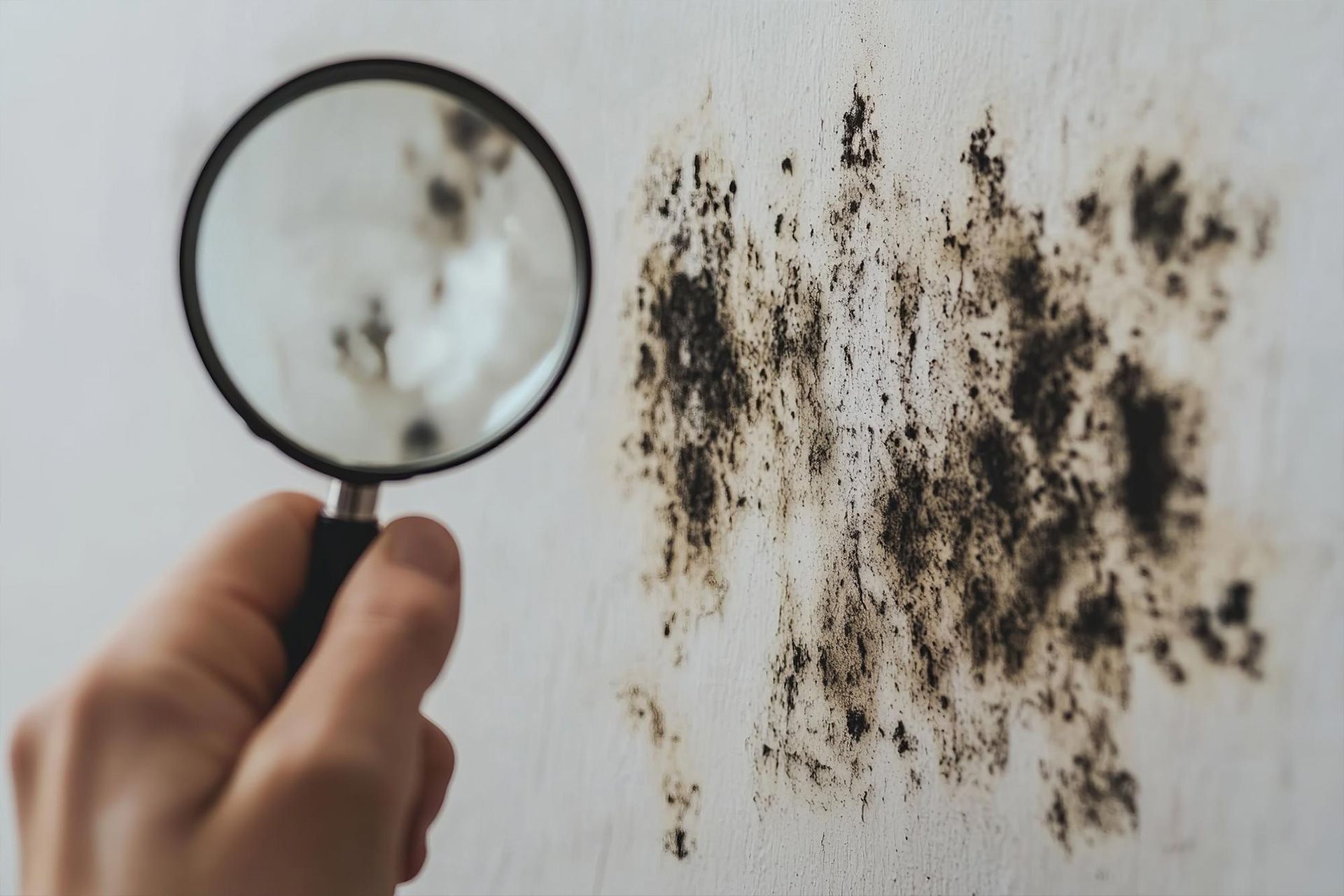
Mold is one of the most concerning hidden issues found in homes. It often grows in areas with moisture problems that are not immediately visible.
Common mold-prone areas:
- Behind walls or wallpaper
- Under sinks and cabinets
- Basements and crawl spaces
- Around windows with leaks
Mold can impact both property value and indoor air quality. Professional inspections often include moisture detection tools to identify early warning signs.
9. Pest and Termite Damage
Wood-destroying insects like termites can cause significant structural damage before homeowners even realize they are present.
Hidden pest issues include:
- Termite tunnels inside walls or foundations
- Carpenter ant infestations
- Rodent damage to insulation and wiring
- Wasp or bee nests in attic spaces
These issues are often hidden behind walls or under flooring, making professional inspection critical before purchase.
10. DIY Repairs and Code Violations
Many homeowners attempt DIY repairs that may look fine on the surface but do not meet building codes or safety standards.
Common hidden DIY issues:
- Improper electrical wiring
- Incorrect plumbing connections
- Structural modifications without permits
- Unsafe deck or railing construction
While these issues may not be immediately visible, they can become major liabilities for new homeowners.
Why Home Inspections Are So Important
A home inspection is not just a formality, it is a protection tool. It helps buyers:
- Understand the true condition of a property
- Avoid unexpected repair costs
- Negotiate better purchase terms
- Make confident investment decisions
Even newly built homes can have hidden defects, which is why inspections are essential at every stage of homeownership.
Final Thoughts
Hidden issues in a home can significantly impact safety, comfort, and long-term value. A professional inspection helps uncover these problems early so you can make informed, confident decisions before buying.
Whether it’s a small maintenance issue or a major structural concern, knowing the truth about a property is always better than discovering it later.
Schedule your professional home inspection today and uncover hidden issues before they become costly surprises
Frequently Asked Questions (FAQs)
What hidden issues are most commonly found in home inspections?
Roof damage, plumbing leaks, electrical hazards, foundation cracks, and HVAC issues are among the most common.
Can a home inspection find problems inside walls?
While inspectors cannot see inside walls directly, they use tools like moisture meters and thermal imaging to detect hidden issues.
Are hidden issues expensive to fix?
Some are minor, but others, like foundation or electrical problems, can cost thousands if not identified early.
Should I still buy a home if issues are found?
Yes, but it depends on severity. Many buyers renegotiate pricing or request repairs before closing.
How long does a home inspection take?
Most inspections take 2–4 hours depending on property size and condition.
Can new homes also have hidden issues?
Yes. New construction homes often have defects that are only discovered through inspection.
Disclaimer: The information on this website and blog is for general informational purposes only and is not professional advice. We make no guarantees of accuracy or completeness. We disclaim all liability for errors, omissions, or reliance on this content. Always consult a qualified professional for specific guidance.
Search Blog
Recent Posts