Radon Gas: Causes, Exposure, Symptoms & Complications
Most homeowners pay attention to visible risks such as roof damage, plumbing leaks, or electrical problems. However, some dangers cannot be seen, smelled, or tasted. Radon gas is one of them.
Radon is a naturally occurring radioactive gas that can enter homes through the ground and build up indoors over time. Because it is invisible and odorless, many people are unaware they are being exposed. Understanding the causes of radon, the risks of exposure, and the importance of testing can help homeowners protect their families and create a healthier living environment.
This guide explains what radon gas is, how exposure happens, potential health concerns, and why professional radon testing is one of the most important environmental services available for homeowners.
What Is Radon Gas?
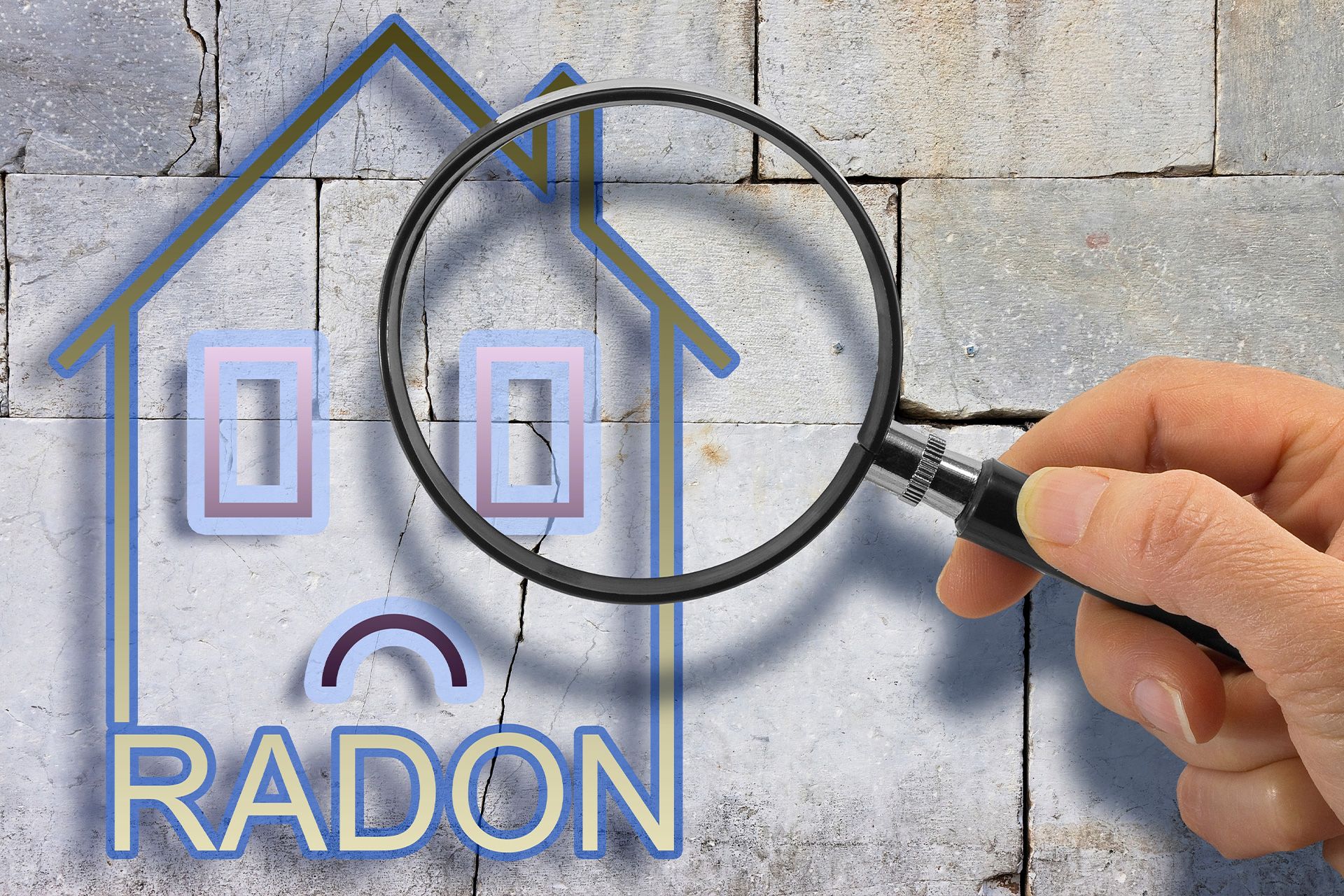
Radon is a radioactive gas that forms naturally as uranium breaks down in soil, rock, and groundwater. The gas can move through the ground and enter buildings through small openings in the foundation.
Once inside, radon can become trapped and accumulate to elevated levels.
Radon testing is especially important in Colorado, where geological conditions can contribute to elevated radon levels in homes. Because radon levels vary from one property to another, testing is the only way to determine whether a home contains elevated concentrations. Because radon occurs naturally, it can be found in homes of all ages, sizes, and construction types. Even homes that appear well-maintained may contain high radon levels.
The only way to determine whether radon is present at concerning levels is through a professional radon gas test.
What Causes Radon To Enter A Home?
Radon originates beneath the ground, but several conditions allow it to enter a building.
- Foundation Cracks: Small cracks in concrete foundations provide pathways for radon gas to move indoors.
- Gaps Around Utility Openings: Openings around pipes, wiring, and utility lines may allow soil gases to enter the home.
- Crawl Spaces: Homes with crawl spaces may experience increased radon movement from the soil into living areas.
- Construction Joints: Gaps where floors and walls connect can create entry points for radon gas.
- Sump Pumps and Floor Drains: Unsealed openings in drainage systems can allow radon to enter.
While these conditions are common, they do not automatically mean a home has elevated radon levels. A professional radon test is necessary to determine actual concentrations.
Why Radon Exposure Matters
The primary concern with radon is long-term exposure. When radon gas breaks down, it releases radioactive particles. These particles can become trapped in the lungs when inhaled. Over time, this exposure may damage lung tissue.
Many people are surprised to learn that radon is one of the leading environmental causes of lung cancer. Because exposure often occurs slowly over many years, testing is an important part of maintaining a healthy home environment.
Anyone living in a home with elevated radon levels may be exposed.
However, certain factors may increase overall risk.
Certain individuals may face greater long-term exposure risks, including:
- Long-term Occupants: The longer a person lives in a home with elevated radon levels, the greater the potential exposure.
- Smokers: Individuals who smoke and are exposed to high radon levels may face a significantly increased risk of lung-related health concerns.
- Families Spending More Time Indoors: People who work from home, young children, and older adults may spend more time indoors and experience greater overall exposure.
This is one reason many homeowners schedule a radon gas test even when no health symptoms are present.
Are There Symptoms Of Radon Exposure?
One of the most challenging aspects of radon is that exposure usually does not cause immediate symptoms.
Unlike smoke or chemical odors, radon provides no obvious warning signs.
Many homeowners assume they would notice a problem if radon were present, but that is not the case.
You cannot:
- See radon
- Smell radon
- Taste radon
- Feel radon exposure occurring
Because symptoms typically do not appear during early exposure, routine radon testing becomes essential.
Potential Complications of Long-Term Exposure
Radon-related health concerns generally develop after many years of elevated exposure.
Potential complications may include:
- Lung Tissue Damage: Radioactive particles may affect lung tissue over time.
- Increased Health Risks: Extended exposure may contribute to long-term respiratory health concerns.
- Ongoing Concerns About Indoor Environmental Conditions: Many homeowners feel uneasy when they realize their indoor air quality has never been tested.
A professional radon gas inspection provides the information needed to make confident decisions about your home's indoor environmental conditions.
How a Radon Gas Test Works
Many homeowners wonder what happens during a radon evaluation.
A professional radon gas test uses specialized monitoring equipment to measure radon levels inside the home.
- Equipment Placement: Testing equipment is typically placed in the lowest livable area of the home.
- Monitoring Period: The equipment remains in place for a specific period to collect accurate readings.
- Data Analysis: After testing is complete, the results are reviewed to determine whether radon levels exceed recommended action thresholds.
When Should You Schedule a Radon Inspection?
Testing can be beneficial in several situations.
Before Buying A Home
Many buyers request certified radon testing during the home purchase process.
Before Selling A Property
Testing can provide useful information for prospective buyers.
After Major Renovations
Changes to ventilation, foundations, or living spaces may affect radon levels.
Every Few Years
Even if previous results were acceptable, conditions can change over time.
When Moving Into a New Home
Testing helps establish a baseline understanding of indoor air quality.
Can New Homes Have Radon Problems?
Yes. A common misconception is that radon only affects older homes. In reality, radon can be present in both new construction and old properties.
Factors such as soil conditions, construction methods, and foundation design can all influence indoor radon levels.
A newer home is not automatically protected from radon exposure.
This is why many homeowners include a radon gas test as part of their overall home inspection strategy.
Conclusion
Radon gas is one of the most common environmental hazards found in homes, yet it often goes unnoticed because it cannot be seen, smelled, or tasted. Understanding the causes of radon exposure, the potential health concerns, and the importance of routine testing can help homeowners make informed decisions about indoor air quality and long-term safety.
At Blue Spruce Inspections, we provide professional radon gas inspection services designed to help homeowners better understand the air quality inside their homes. Our team uses reliable testing methods and detailed reporting to provide accurate information and greater peace of mind.
Schedule your radon gas test with Blue Spruce Inspections today and take an important step toward protecting your home and family. When scheduling radon testing, homeowners should consider working with inspectors who use professional-grade equipment and hold recognized radon-testing certifications.
Frequently Asked Questions
What is a radon gas inspection?
A radon gas inspection is a professional service that measures radon levels inside a home to determine whether elevated concentrations are present.
How long does a radon gas test take?
Testing periods vary, but many professional tests monitor radon levels for at least 48 hours to collect accurate data.
Can radon affect newly built homes?
Yes. Radon can be present in both new and older homes because it originates from the soil beneath the property.
Is radon only found in certain types of homes?
No. Radon can affect homes of different sizes, ages, and construction styles.
How often should homeowners test for radon?
Many experts recommend testing every few years, after major renovations, or when purchasing a new home.
Disclaimer: The information on this website and blog is for general informational purposes only and is not professional advice. We make no guarantees of accuracy or completeness. We disclaim all liability for errors, omissions, or reliance on this content. Always consult a qualified professional for specific guidance.
Search Blog
Recent Posts