What's Included in a Commercial Property Inspection? A Detailed Guide for Owners
Owning or purchasing a commercial building is a major business decision. Unlike a home, a commercial property may support employees, customers, tenants, equipment, inventory, and daily operations. If the building has hidden issues, those problems can affect safety, maintenance planning, tenant satisfaction, and long-term value.
A commercial property inspection helps owners, buyers, investors, and property managers understand a building's condition before making important decisions. It gives a clearer picture of visible defects, system performance, maintenance concerns, and possible repair needs.
Why Commercial Inspections Matter for Owners
A building can look well-maintained from the outside while still having hidden issues. Roof wear, electrical concerns, plumbing leaks, drainage problems, and HVAC defects may not be obvious during a walkthrough.
A Professional commercial inspection helps owners and buyers reduce uncertainty. The inspection report can support better planning before a purchase, lease, renovation, or long-term ownership decision.
For property owners, an inspection can help identify maintenance priorities. For buyers, it can reveal concerns before closing. For investors, it can support due diligence. For tenants, a pre-lease inspection may help clarify the building's condition before signing an agreement.
Exterior Site and Building Envelope
The exterior is one of the first areas reviewed during an inspection. It protects the building from weather, moisture, and structural wear.
The inspector may evaluate siding, exterior walls, windows, doors, walkways, grading, drainage, parking areas, loading areas, and visible safety concerns. The goal is to identify signs of damage, poor drainage, cracking, settlement, or moisture entry.
The building envelope includes the parts of the structure that separate indoor space from outdoor conditions. If this area is damaged, water can enter the building and create larger problems over time.
Even small exterior defects can lead to interior damage if ignored.
Roof System Review
The roof is one of the most important parts of any commercial building. A roof problem can affect interior finishes, insulation, electrical systems, inventory, and tenant spaces.
During a roof review, the inspector may look for visible damage, ponding water, worn materials, flashing concerns, drainage problems, open seams, and signs of previous repairs. Flat or low-slope commercial roofs need special attention because water may sit on the surface if drainage is poor.
A roof inspection does not always determine the roof's exact remaining life, but it can identify visible concerns that may require further evaluation by a roofing contractor.
Structural Components
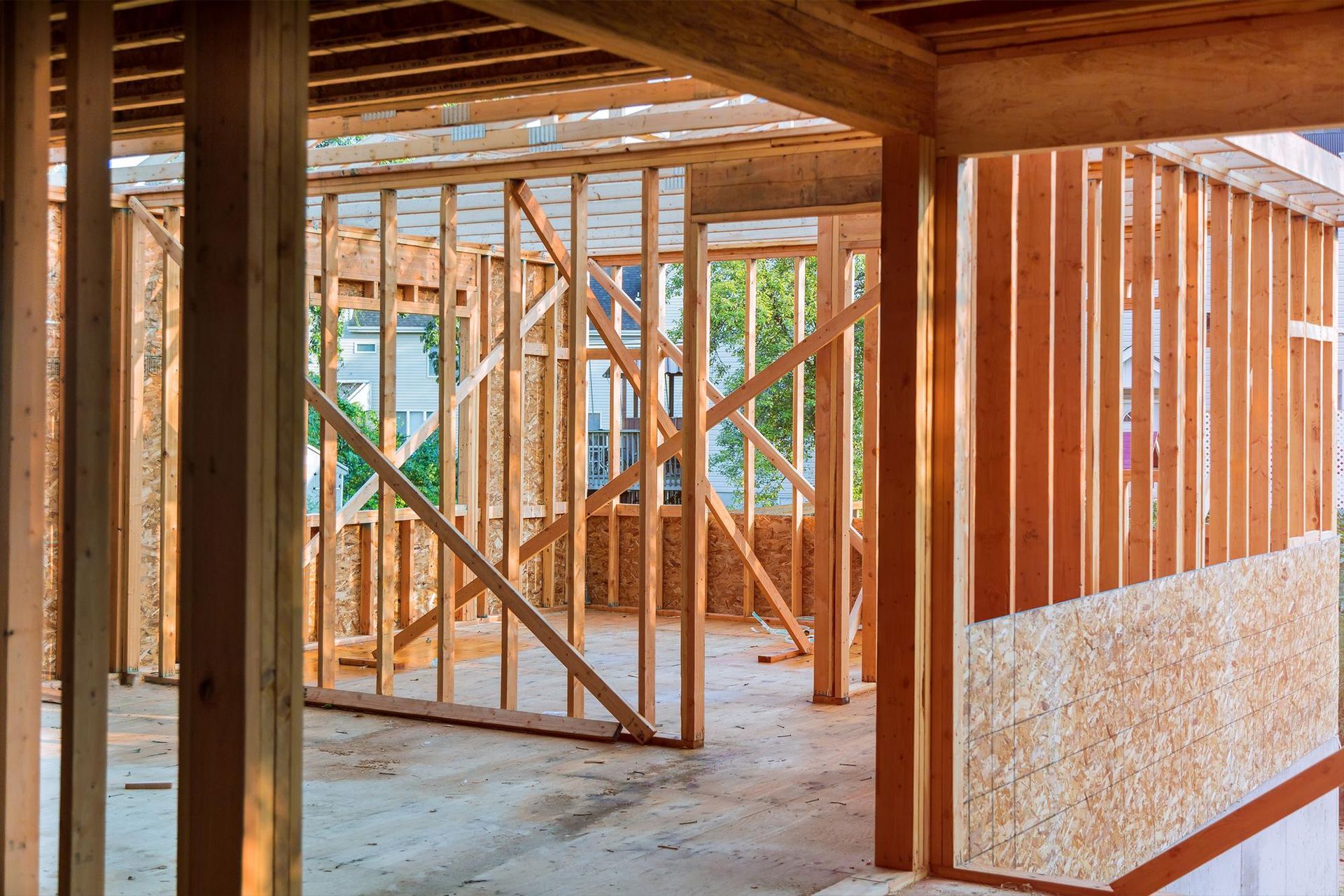
The structural portion of a commercial property inspection focuses on visible components that support the building. These may include foundation areas, columns, beams, framing, floor structure, walls, and roof structure when accessible.
Inspectors look for signs such as cracks, movement, sagging, settlement, water damage, or visible deterioration. Not every crack is a major concern, but structural findings should be reviewed carefully because they may affect building stability and future repair planning.
If the inspector finds significant concerns, the report may recommend further evaluation by a qualified structural professional.
Electrical System
Commercial electrical systems can be more complex than residential systems. They may support lighting, office equipment, kitchen equipment, manufacturing equipment, HVAC systems, security systems, and tenant-specific needs.
The inspector may review visible panels, breakers, wiring conditions, outlets, lighting, disconnects, grounding concerns, and general electrical safety items. The inspection helps identify visible defects or conditions that may require correction.
Electrical concerns should be taken seriously because they can affect safety, operations, and code compliance. When needed, a licensed electrician may be recommended for additional evaluation.
Plumbing System
The plumbing review focuses on visible water supply and drainage components. In commercial spaces, plumbing can vary depending on the building's use. Restaurants, medical offices, warehouses, and multi-tenant buildings may have very different plumbing demands.
Inspectors may check visible pipes, fixtures, restrooms, water heaters, drains, leaks, water pressure concerns, and signs of water damage. They may also look for stains, corrosion, slow drainage, or moisture near plumbing areas.
A plumbing issue may seem small at first, but leaks and drainage problems can damage flooring, walls, ceilings, and tenant spaces over time.
Heating, Cooling, and Ventilation
HVAC systems play a major role in comfort, energy use, and daily building operations. If heating or cooling equipment is not working properly, tenants, employees, and customers may be affected.
During the inspection, visible HVAC equipment may be reviewed for age, condition, operation, maintenance concerns, and installation issues. Inspectors may also look at accessible ductwork, vents, thermostats, and general airflow concerns.
For larger or complex systems, the inspection may recommend evaluation by an HVAC professional.
This is especially important for buildings with rooftop units, multiple tenant systems, or specialized ventilation needs.
Interior Spaces and Safety Concerns
Interior areas are inspected to identify visible defects, safety concerns, and maintenance needs. This may include walls, ceilings, floors, stairs, railings, doors, windows, restrooms, storage areas, and common spaces.
The inspector may look for moisture stains, damaged finishes, trip hazards, loose railings, poor door operation, visible mold-like growth, and signs of past leaks.
Safety-related items are especially important in commercial buildings because many people may use the space each day. Clear documentation can help owners plan repairs and reduce risk.
Fire and Life Safety Observations
A commercial inspection is not the same as a fire marshal inspection, but inspectors may note visible fire and life safety concerns. These may include blocked exits, missing safety signage, damaged emergency lights, unsafe stair conditions, or concerns with fire separation where visible.
Because fire and life safety rules can vary by building use and local requirements, further review by the proper authority or specialist may be needed when concerns are found.
How Owners Should Use the Findings
After receiving the inspection report, owners should review it carefully and focus on the most important items first. Safety concerns, active leaks, electrical hazards, structural issues, and major system defects should receive priority.
The report can also help with budgeting, maintenance planning, lease discussions, repair negotiations, and future improvement projects. A commercial property inspection gives owners a practical tool for making informed decisions about the building.
Conclusion
A commercial building is more than a structure. It is a business asset that can affect operations, safety, tenant experience, and long-term planning. A professional inspection helps owners and buyers understand the property's visible condition and identify any issues.
At Blue Spruce Inspections, we provide detailed commercial inspection services designed to help owners, investors, and property managers make informed decisions. Our team focuses on clear reporting, practical findings, and thorough evaluations that support smarter property planning.
We also provide builder’s warranty inspections to help property owners identify issues before key deadlines or final approvals. Our team delivers clear reporting and practical insight so you can move forward with confidence.
Schedule your commercial inspection to better understand your building before your next major decision.
Frequently Asked Questions
What does a commercial property inspection include?
It usually includes a visual review of the roof, exterior, structure, electrical system, plumbing, HVAC equipment, interior spaces, and visible safety concerns. The exact scope depends on the property type and inspection needs.
Who needs commercial inspection services?
Buyers, owners, investors, landlords, tenants, and property managers can all benefit from an inspection. It is useful before buying, leasing, renovating, or planning long-term maintenance.
Is a commercial inspection the same as a code inspection?
No. A commercial inspection reviews visible property conditions. A code inspection is usually performed by a local authority to check compliance with specific building codes or permit requirements.
Can an inspection find every hidden problem?
No inspection can find every hidden issue. Inspectors evaluate visible and accessible areas during the inspection. However, the report can reveal many important concerns and may recommend further evaluation when needed.
Why is the inspection report important?
The report gives owners a written record of visible conditions, concerns, and recommendations. It can help with repair planning, negotiations, maintenance budgeting, and better property decisions.
Disclaimer: The information on this website and blog is for general informational purposes only and is not professional advice. We make no guarantees of accuracy or completeness. We disclaim all liability for errors, omissions, or reliance on this content. Always consult a qualified professional for specific guidance.
Search Blog
Recent Posts