The Critical Role of Home Inspectors in Mold Inspection
Mold can become a serious problem inside a home long before it becomes visible. It may grow behind walls, under flooring, inside attics, or around hidden plumbing leaks. That is why professional inspections play such an important role in protecting homes and the people living inside them.
Certified mold inspection helps identify moisture problems, mold growth, and indoor air quality concerns before they become larger and more expensive issues. Experienced home inspectors know where to look, what warning signs matter, and how to help homeowners make informed decisions.
In this guide, we will explain why professional mold inspection services are important, how the inspection process works, and how home inspectors help uncover hidden mold problems.
Why Mold Is a Serious Concern?
Mold grows in damp areas where moisture remains for long periods. While some mold problems are easy to spot, many go unnoticed until the damage becomes more severe.
Mold exposure may affect:
- Indoor air quality
- Property condition
- Building materials
- Personal comfort
Some people may also experience allergy-related symptoms when indoor mold levels increase.
Because mold spreads quickly in moist conditions, early detection is very important.
What Causes Mold Growth in Homes?
Mold needs moisture and organic material to grow. Homes naturally contain materials like wood, drywall, insulation, and carpet that mold can feed on when moisture is present.
Here are the common causes of mold.
- Roof Leaks: Water entering through damaged roofing materials can create hidden mold growth in ceilings and attics.
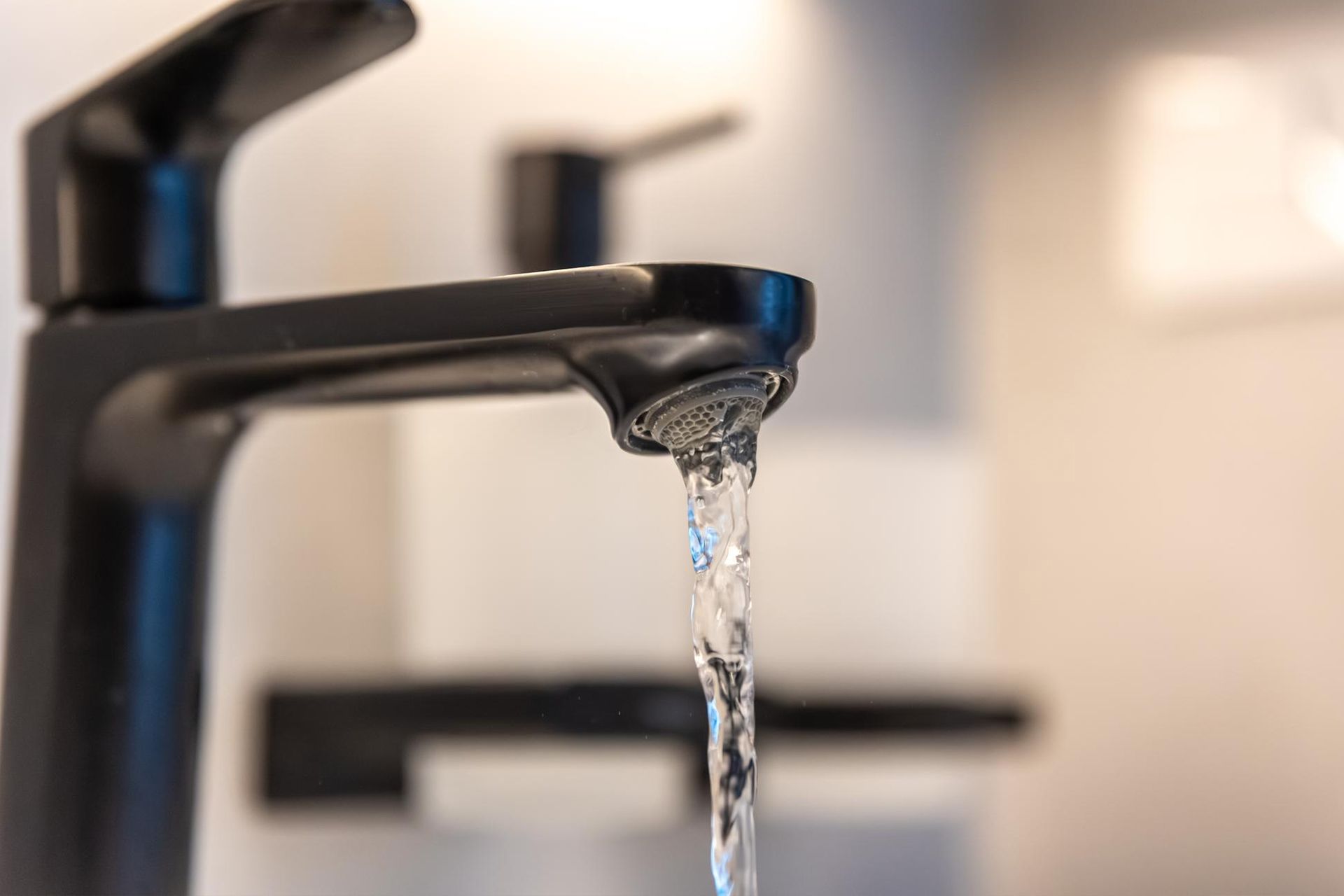
- Plumbing Leaks: Slow leaks behind walls or under sinks may go unnoticed for months.
- Poor Ventilation: Bathrooms, kitchens, and laundry rooms without proper airflow can trap moisture indoors.
- Flooding or Water Damage: Past water damage can leave behind moisture that supports mold growth even after surfaces appear dry.
- High Humidity Levels: Homes with excessive humidity may develop mold around windows, in basements, and in crawl spaces.
Why Home Inspectors Play a Critical Role
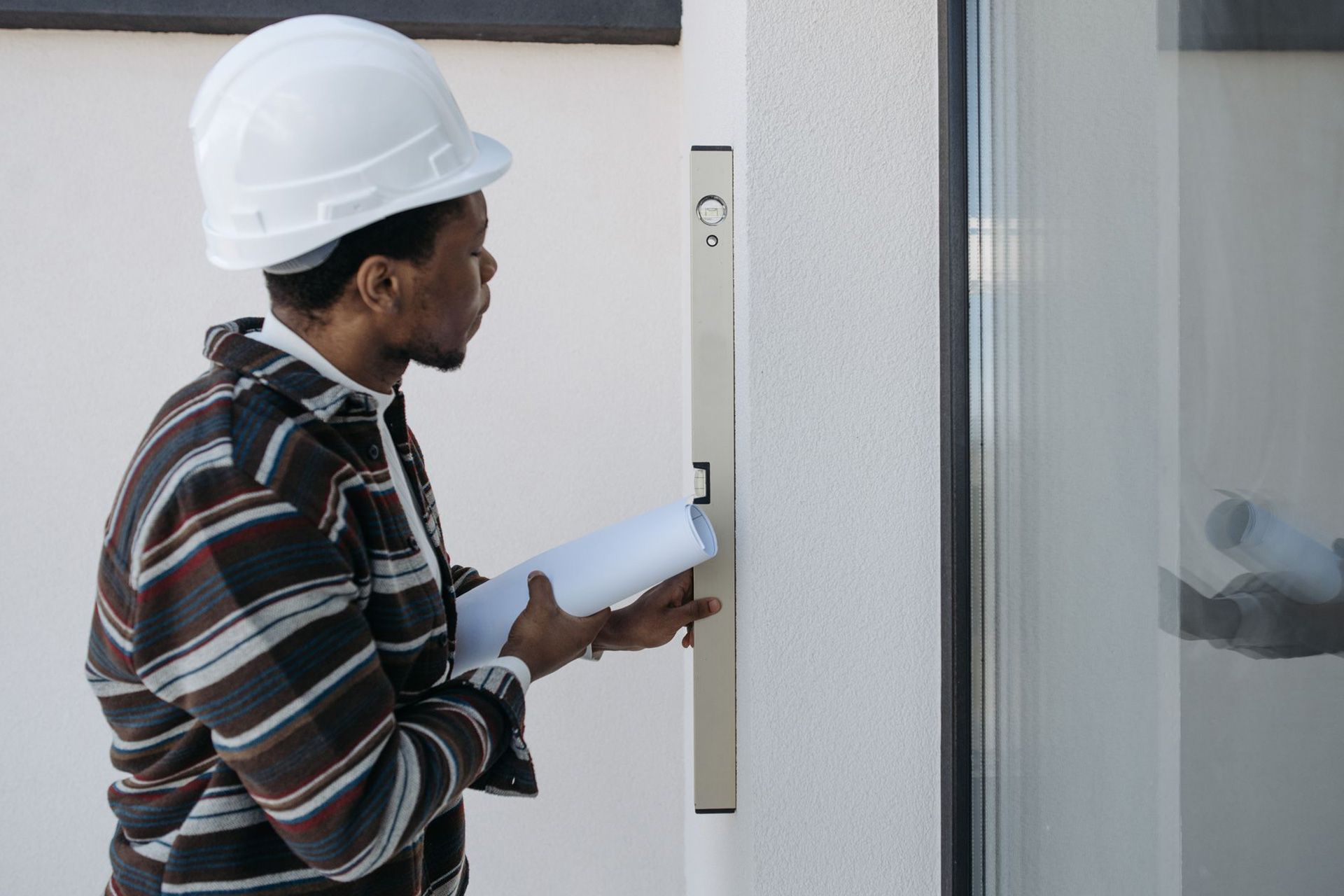
Home inspectors are trained to evaluate a property's condition and identify signs of moisture intrusion and mold-related issues.
A certified mold inspection goes beyond simply looking for visible spots on walls. Inspectors examine areas where moisture problems commonly develop and look for warning signs that homeowners may miss.
1. Home Inspectors Understand Hidden Risk Areas
Professional inspectors know how moisture moves through a home. They understand which building materials are vulnerable and where hidden mold is most likely to grow.
Common inspection areas include:
- Attics
- Crawl spaces
- Basements
- HVAC systems
- Under sinks
- Window frames
- Around water heaters
This detailed evaluation helps uncover problems early.
2. Inspectors Help Identify Moisture Sources
Finding mold without identifying the moisture source does not solve the problem.
Professional mold inspection services focus on locating the conditions that allow mold to grow. This may include:
- Roof leaks
- Plumbing issues
- Drainage concerns
- Ventilation problems
Addressing the source helps reduce the chance of mold returning after cleanup.
3. Home Inspectors Use Specialized Tools
Many inspectors use advanced equipment during a certified mold inspection to improve accuracy.
These tools may include:
- Moisture meters
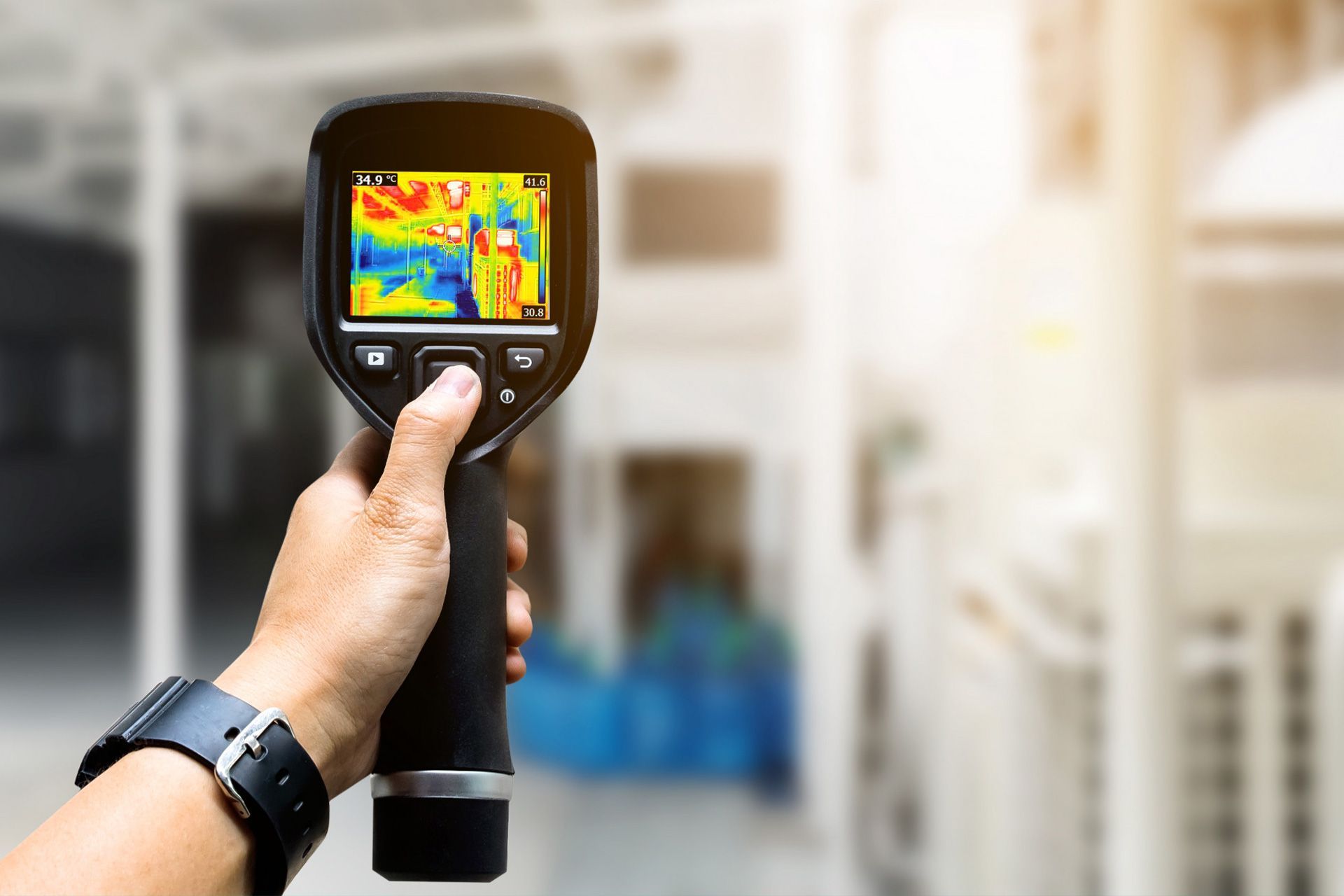
- Thermal imaging cameras
- Humidity readers
- Air sampling equipment
Thermal imaging can help detect hidden moisture behind walls and ceilings that may not be visible during a standard visual inspection.
What Happens During a Certified Mold Inspection?
Understanding the process helps homeowners know what to expect during the inspection.
1. Initial Visual Inspection
The inspector begins with a detailed visual examination of the property. They look for:
- Water stains
- Discoloration
- Visible mold growth
- Condensation
- Musty odors
These signs may indicate active moisture issues.
2. Moisture Evaluation
Inspectors use moisture detection tools to identify damp building materials and hidden water intrusion.
Moisture testing is important because mold often grows in concealed spaces.
3. Indoor Air Assessment
In some cases, air quality testing may be recommended to measure mold spores inside the home.
This can help determine whether indoor mold levels are higher than normal for outdoor conditions.
4. Detailed Reporting
After the inspection, homeowners receive a report outlining:
- Areas of concern
- Signs of moisture
- Possible mold growth
- Recommendations for next steps
This report helps homeowners make informed decisions about repairs or further evaluation.
Benefits of Early Mold Detection
Early detection can prevent larger property issues and improve indoor living conditions.
- Helps Protect Property Condition: Mold can damage drywall, insulation, flooring, and wood materials over time.
- Supports Better Indoor Air Quality: Reducing mold growth can improve indoor comfort.
- Helps Prevent Expensive Repairs: Identifying moisture issues early can reduce the extent of future damage.
- Provides Peace of Mind: Homeowners gain a clearer understanding of their property’s condition.
Why DIY Mold Checks Are Not Enough
Many homeowners try to identify mold themselves, but hidden problems are easy to miss without professional experience and equipment.
DIY inspections may overlook:
- Hidden moisture
- Crawl space issues
- Attic ventilation problems
- Air quality concerns
Professional mold inspection services provide a more complete evaluation and accurate documentation.
Mold Inspection During Real Estate Transactions
Mold concerns can impact real estate transactions in several ways.
Buyers want confidence that the home is safe and properly maintained. Sellers also benefit from understanding potential issues before listing a property.
Certified mold inspection can:
- Identify hidden concerns
- Reduce surprises during negotiations
- Support better repair planning
- Improve buyer confidence
Many real estate professionals recommend mold inspections when water damage or moisture concerns are suspected.
How to Choose the Right Mold Inspector in the Denver Metro Area
Homeowners should work with experienced professionals who understand building systems and moisture behavior.
Look for inspectors who:
- Have mold inspection training
- Use advanced moisture detection tools
- Provide detailed reports
- Explain findings clearly
- Focus on both mold and moisture sources
Experience matters when evaluating hidden environmental concerns inside a home.
Conclusion
Mold problems can develop quietly and spread long before homeowners notice visible signs. That is why the role of home inspectors is so important during a certified mold inspection. Professional inspectors help identify hidden moisture, evaluate indoor conditions, and provide clear guidance to support healthier, safer homes.
At Blue Spruce Inspections, we provide professional mold inspection services to help homeowners understand their property's condition and detect moisture-related issues early. Our inspections focus on thorough evaluations, detailed reporting, and practical recommendations you can trust.
Schedule a mold inspection with our team today to help protect your home and indoor environment.
FAQs
What is a certified mold inspection?
A certified mold inspection is a professional evaluation that checks for mold growth, moisture intrusion, and indoor air quality issues in a property.
How do home inspectors find hidden mold?
Home inspectors use visual evaluations, moisture meters, thermal imaging, and other tools to identify hidden moisture and possible mold growth.
When should I schedule professional mold inspection services?
You should consider an inspection after water damage, before buying a home, when musty odors appear, or when visible mold is suspected.
Can mold grow without visible signs?
Yes. Mold often grows behind walls, under flooring, inside attics, and in crawl spaces where it cannot be easily seen.
Does mold inspection include air quality testing?
In some situations, inspectors may recommend indoor air testing to evaluate mold spore levels and indoor air conditions.
Disclaimer: The information on this website and blog is for general informational purposes only and is not professional advice. We make no guarantees of accuracy or completeness. We disclaim all liability for errors, omissions, or reliance on this content. Always consult a qualified professional for specific guidance.
Search Blog
Recent Posts