Common Sewer Problems Found During a Residential Sewer Inspection
A home's sewer line is easy to forget because it is buried underground and out of sight. Most homeowners only think about it when drains slow down, toilets gurgle, or wastewater backs up into the house. By that time, the problem may already be serious.
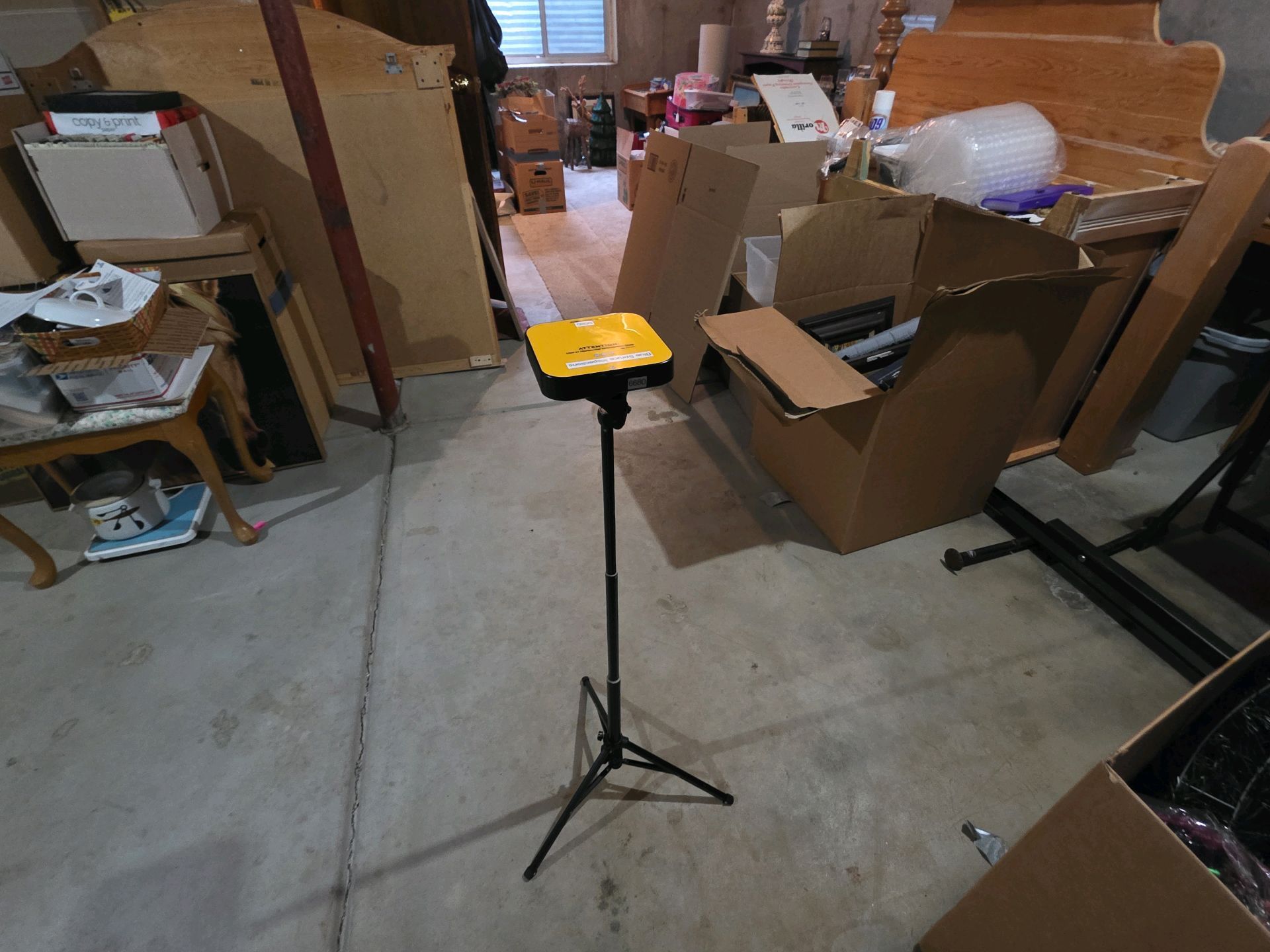
A sewer scope inspection uses a specialized camera to document the interior condition of accessible sections of the main sewer line. It can reveal problems that are not easy to detect during a normal walkthrough or standard property review. For buyers, this information can be especially useful before closing on a home.
This guide explains common sewer problems in a simple way. Instead of focusing only on the sewer scope inspection process, it explains what each issue means, why it happens, and why it matters for the home.
Why Sewer Line Problems Are Often Missed
The main sewer line carries wastewater away from sinks, tubs, showers, toilets, laundry areas, and appliances. Because this pipe is underground, problems may develop for years before obvious symptoms appear indoors.
A home may have working drains and still have a sewer line issue forming below the surface. Small roots, minor cracks, grease buildup, or a low section of pipe may not cause a full backup right away. Over time, these concerns can restrict flow and increase the risk of damage.
A home sewer line inspection gives property owners a closer look at this important part of the plumbing system before a problem turns into an emergency. If you are unfamiliar with the camera inspection process, learn what a sewer scope is and why you may need one before scheduling the service.
1. Tree Root Intrusion
Tree roots are one of the most common sewer line problems. Roots naturally search for moisture. If a sewer pipe has a small crack, loose joint, or weak connection, roots may grow toward that opening and enter the pipe.
At first, the root growth may be small. Over time, roots can spread inside the pipe and catch toilet paper, grease, wipes, and other debris. This can lead to slow drainage, repeated clogs, or a full blockage.
Root intrusion is more common near older pipes, mature trees, and pipe joints that have shifted or separated. Even a healthy-looking yard can hide root activity below the ground.
2. Grease And Food Waste Buildup
Grease is another common sewer problem. Many people pour cooking oil, fats, sauces, or greasy food waste into the sink. Warm grease may flow down the drain at first, but it can cool and harden inside the pipe.
As grease sticks to the pipe walls, it narrows the opening where wastewater flows. Food particles and other debris can then attach to the sticky surface. Over time, the pipe may drain more slowly and become more likely to clog.
Grease buildup usually develops gradually. Homeowners may first notice slow kitchen drains, odors, or recurring clogs that return after basic cleaning.
3. Wipes and Non-Flushable Items
Many sewer blockages involve items that should not enter the drain system. Wipes, paper towels, hygiene products, cotton swabs, and similar materials do not break down like toilet paper.
Even products labeled as flushable can cause problems if they collect inside the sewer line. These materials can snag on roots, rough pipe surfaces, or offset joints. Once they catch, more waste builds up behind them.
A home sewer system evaluation may reveal blockages caused by these items, especially when they combine with grease or root growth.
4. Cracked Or Broken Pipes
Sewer pipes can crack for several reasons. Soil movement, age, pressure from above, root activity, poor installation, and freeze-related ground movement may all contribute to damage.
A small crack may allow water to leak out or soil to enter the pipe. As soil enters, it can create rough areas that catch debris. Larger cracks may reduce pipe strength and increase the risk of more serious failure.
Cracked pipes are especially important because the problem often gets worse over time. A minor defect may become a larger break if the pipe continues to shift or weaken.
5. Offset Pipe Joints
An offset joint happens when two pipe sections no longer line up correctly. This can happen as soil settles, pipes shift, or older joints loosen. Even a small offset can interrupt smooth wastewater flow.
When a joint is offset, waste and debris may catch on the raised edge. Water may still pass through, but solids can collect and slowly build a blockage.
Offset joints can also create entry points for roots or soil. For this reason, they are often linked to several other sewer concerns.
6. Bellied Or Sagging Sewer Lines
A sewer line should slope correctly so wastewater can move away from the home. A belly forms when part of the pipe sinks, creating a low spot. Water and waste can collect in that section instead of flowing smoothly.
This standing water can lead to repeat clogs, odors, and slow drainage. It may also allow solids to settle in the pipe.
Bellied pipes can happen because of soil movement, poor bedding during installation, or long-term ground settling. They are different from normal pipe wear because the shape and slope of the line are affected.
Learn why you may need a sewer scope inspection before buying a home in Denver, particularly when the property is older or surrounded by mature trees.
7. Corrosion And Pipe Deterioration
Some older sewer pipes are made from materials that can wear down over time. Cast iron can corrode. Clay can crack or separate. Other older materials may weaken with age and soil pressure.
Corrosion can make the inside of the pipe rough. Rough surfaces catch debris more easily and may slow down water flow. As the pipe deteriorates, it may become more likely to leak, crack, or collapse.
Older homes are not automatically in poor condition, but aging pipe materials deserve close attention. A home sewer system evaluation can help show whether the line appears worn or damaged.
8. Pipe Collapse
A collapsed sewer line is one of the more serious problems. This happens when part of the pipe loses its shape or breaks down enough to block flow.
A collapse may cause repeated backups, strong sewer odors, or drains that stop working properly. In some cases, wastewater cannot move through the line at all.
Pipe collapse may result from old materials, heavy soil pressure, root damage, poor installation, or long-term deterioration. This issue usually requires prompt professional review because it can affect the home's ability to drain wastewater safely.
9. Soil Or Groundwater Entering The Pipe
When a sewer pipe has cracks, open joints, or holes, soil and groundwater can enter the line. This can create several problems. Soil can build up inside the pipe and restrict flow. Extra groundwater can also place stress on the sewer system.
This issue may not be obvious inside the home at first. Over time, the line may become blocked or unstable. Soil entering the pipe can also suggest that the surrounding ground is shifting into the empty space around the damaged pipe.
10. Poor Slope Or Installation Concerns
Some sewer problems are related to how the pipe was installed. If the pipe does not have the right slope, wastewater may not move efficiently. Too little slope can allow waste to settle. Too much slope can sometimes cause water to move faster than solids.
Poor support around the pipe can also lead to sagging or shifting later. These issues may not show up immediately after installation, but they can affect long-term performance.
A sewer line inspection can help document visible signs of poor slope, standing water, or alignment concerns inside the line.
Conclusion
Sewer problems are often hidden, but they can affect daily comfort, plumbing performance, and long-term property maintenance. Understanding these problems helps homeowners take warning signs seriously and make better decisions.
Blue Spruce Inspections provides certified sewer scope inspections for homebuyers, sellers, and homeowners throughout the Denver Metro area and surrounding Colorado communities. Using specialized camera equipment, our inspectors document the accessible interior of the sewer line and provide video or image documentation with clear recommendations.
Contact us today to schedule your residential sewer scope inspection and have a clearer view of your home's underground plumbing condition.
Frequently Asked Questions
What is the most common sewer line problem?
Tree root intrusion and grease buildup are among the most common problems. Roots enter through cracks or joints, while grease collects inside pipes and narrows the space where wastewater flows.
Can a sewer line have problems if drains still work?
Yes. A sewer line can have early-stage damage, roots, standing water, or partial buildup while drains still appear to work. Problems may become noticeable only after the line becomes more restricted.
What causes sewer pipe bellies?
Pipe bellies often happen when soil settles under part of the pipe. The pipe sags, creating a low spot where water and waste can collect instead of flowing properly.
Are flushable wipes safe for sewer lines?
Many wipes do not break down as quickly as toilet paper. They can catch on roots, rough pipe surfaces, or offset joints and contribute to blockages.
Why are older sewer pipes more likely to have issues?
Older pipes may be made from materials that crack, corrode, separate, or weaken over time. Soil movement and tree roots can make these problems worse.
Disclaimer: The information on this website and blog is for general informational purposes only and is not professional advice. We make no guarantees of accuracy or completeness. We disclaim all liability for errors, omissions, or reliance on this content. Always consult a qualified professional for specific guidance.
Search Blog
Recent Posts