Should Seller Be Present at Home Inspection in Denver?
Selling a home in Denver involves several important steps, and the inspection is one of the most significant. Once a buyer schedules an inspection, sellers often wonder whether they should stay at the property or leave while the inspector completes the assessment.
There is no universal rule requiring sellers to be present. In fact, many sellers choose to leave so the buyer and inspector can discuss the property comfortably and without distractions. However, there are also situations where a seller's presence may be useful.
Understanding how the home inspection works, what the seller can contribute, and when it is better to step away can make the experience easier for everyone involved.
What Happens During a Home Inspection?
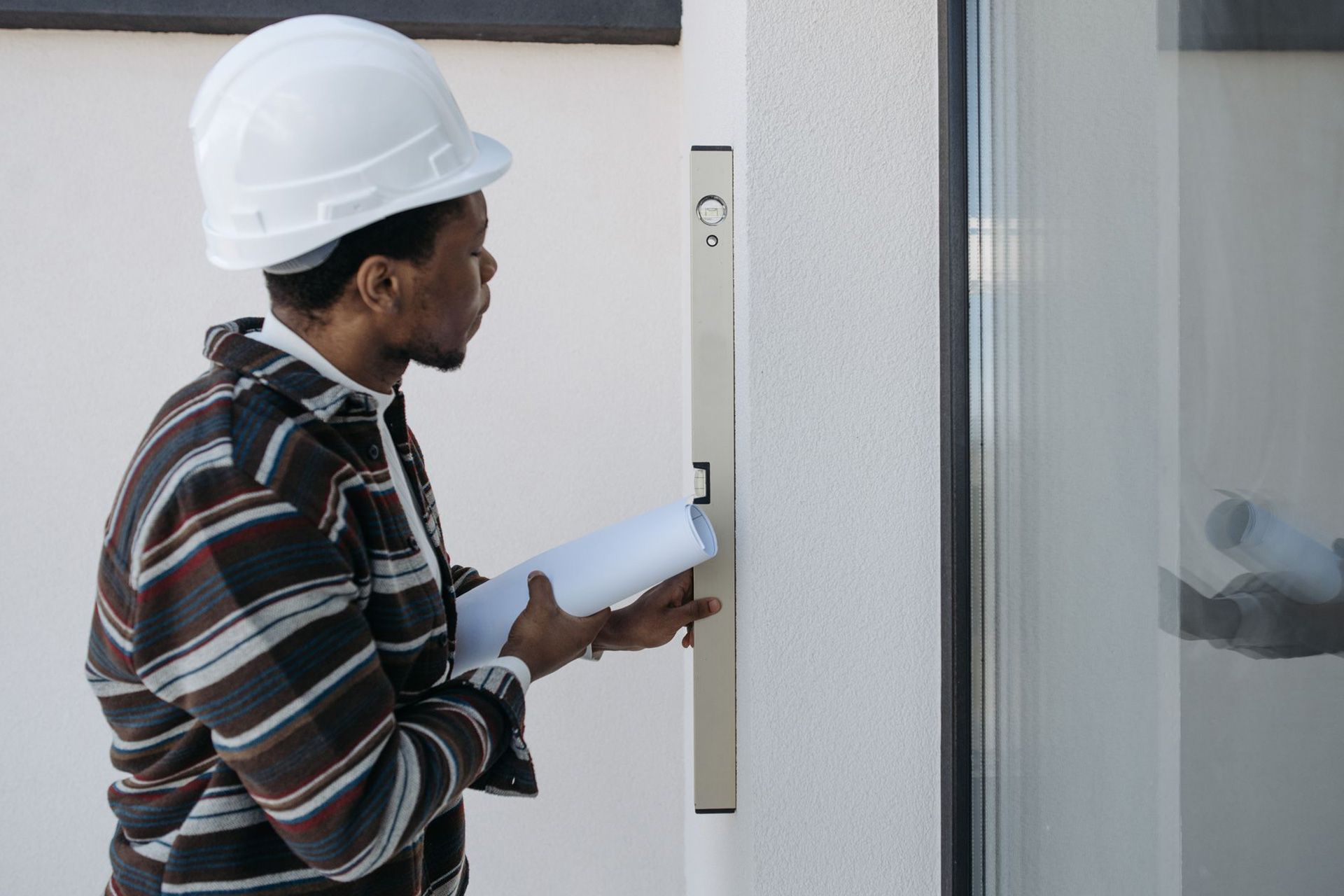
A home inspection is a non-invasive evaluation of the property’s visible and accessible systems and components. The inspector may examine the roof, exterior, foundation, electrical system, plumbing, heating and cooling equipment, attic, insulation, windows, doors, walls, ceilings, floors, and other visible components.
The goal is not to decide whether a property is perfect. Instead, the inspection provides information about its current condition and identifies visible defects, safety concerns, maintenance issues, or areas that may need further investigation.
For a buyer, this home evaluation can provide important information before making one of the largest financial commitments of their life.
In Denver, local environmental conditions can also make certain property components particularly important. Snow, hail, temperature fluctuations, dry conditions, and soil movement can affect roofs, drainage, exterior materials, foundations, and other parts of a home.
The inspector's findings become part of the buyer's overall property evaluation. They can then discuss significant concerns with their real estate professional and determine what action, if any, is appropriate under their contract.
Should the Seller Stay During the Inspection?
Generally, it is often better for the seller to leave during the home inspection for homebuyers.
The main reason is simple: buyers need the opportunity to speak openly with the inspector. They may have questions about unfamiliar systems or concerns about something they notice. Having the seller nearby can sometimes make these conversations feel less comfortable.
The inspector also needs room to work. Most inspections take approximately two to four hours, depending on the property’s size, age, condition, accessibility, and any additional services requested.
For most sellers, allowing the inspection to proceed without their direct involvement creates a more relaxed environment and keeps attention on the actual condition of the property.
What Information Should the Seller Provide Before the Inspection?
Although leaving is often the simpler option, there are legitimate reasons a seller may want to be present.
The Seller Knows the Property Well
A homeowner may know the history of the house better than anyone else. They may remember when a roof was replaced, when an appliance was installed, or why a particular system operates in a certain way.
If the inspector has a question about the property's history, the seller may be able to provide useful context.
There Is a Complicated System
Some homes have unusual additions, custom equipment, smart-home technology, older mechanical systems, or specialized features.
A seller who understands these systems may be able to explain how they operate or where controls and components are located.
The Seller Wants to Understand Potential Concerns
Some sellers prefer to hear what the inspector identifies so they can understand what may appear in the buyer's report.
However, there is an important distinction between listening and interfering. A seller should never pressure an inspector to change a finding or attempt to explain away every issue.
Why Can Seller Presence Become a Problem?
The biggest concern is that the seller may unintentionally influence the inspection.
For example, if an inspector identifies a damaged component, the seller might immediately explain why it happened or argue that it is not serious. Even if the seller is acting in good faith, this can create unnecessary tension.
A buyer may also hesitate to ask questions if the homeowner is standing nearby.
The inspection should remain an independent assessment. Giving the inspector and buyer enough space supports a more productive home review process.
Sellers should also remember that an inspection is not a personal criticism of their home. Every property has maintenance needs, aging components, and potential defects. The purpose is to document observable conditions rather than judge how well someone has maintained their home.
What If the Seller Cannot Leave?
Sometimes leaving is simply not practical.
The seller may work from home, have nowhere else to go, or need to remain at the property for personal reasons. In such situations, communication is important.
Tell the real estate agent and inspector that you will be present. Then give them as much space as possible.
Avoid following the inspector from room to room, interrupting conversations, or attempting to answer every question before it is asked.
If you have information that could help, provide it when appropriate and allow the inspector to make an independent assessment.
A respectful approach can prevent the seller's presence from becoming a distraction.
What Does the Buyer Need From the Seller?
The buyer generally needs access and a property that can be inspected properly.
That means the seller should make reasonable efforts to ensure utilities are available where appropriate, systems can be accessed, and unnecessary obstacles are removed.
Good preparation can make the home evaluation more efficient and reduce the likelihood that important areas are inaccessible.
The seller should also be honest when asked about known issues. Hiding a known problem can create much bigger complications later.
Denver Sellers Should Focus on Preparation
The question of whether a seller should attend is important, but preparation may matter even more.
A well-prepared property gives the inspector better access and helps the inspection move smoothly. Sellers should clean up clutter, address obvious maintenance concerns, secure pets, provide access information, and gather records for recent work.
These simple steps can make the property evaluation easier for everyone.
Most importantly, sellers should remember that an inspection is a normal part of many real estate transactions. A report containing several observations does not automatically mean the sale will fail.
Conclusion: Make Your Denver Home Inspection Easier
So, should a seller be present during the house inspection in Denver? In most cases, leaving the property gives the buyer and inspector more freedom to communicate and allows the inspection to proceed without unnecessary distractions. However, sellers who remain should be respectful, provide access, and avoid influencing the inspector's findings.
Whether you are preparing to sell or want to understand your home's condition before listing, choosing an experienced inspection company can make the home review process much clearer.
Blue Spruce Inspections provides residential and pre-listing inspections throughout the Denver metro area. Our inspectors offer detailed assessments of major home systems and provide reports designed to help buyers and sellers understand property conditions.
Preparing to sell your Denver property and want an independent inspection from an experienced local team? Contact Blue Spruce Inspections today to discuss your inspection needs and schedule a service.
FAQs
Can a seller ask to attend the buyer's property inspection?
Yes, a seller can ask to attend, but the buyer and inspector may prefer to have the property to themselves. Discuss the arrangement with the agents before the inspection.
Does a seller need to repair everything found during an inspection?
No. An inspection report can contain minor maintenance observations as well as significant concerns. The parties can discuss appropriate repairs or other solutions during negotiations.
Can sellers attend the inspection but stay out of the way?
Yes. If a seller must remain at home, giving the inspector and buyer adequate space is usually the best approach. Avoid interrupting or trying to influence the findings.
Is a pre-listing inspection useful for Denver sellers?
It can be. A pre-listing inspection may help sellers identify potential issues before putting their property on the market and prepare for questions that could arise during negotiations.
Does a property inspection determine the value of a Denver property?
No. An inspection focuses on the condition of accessible components. Determining market value is a separate process handled through an appraisal or comparative market analysis.
Disclaimer: The information on this website and blog is for general informational purposes only and is not professional advice. We make no guarantees of accuracy or completeness. We disclaim all liability for errors, omissions, or reliance on this content. Always consult a qualified professional for specific guidance.
Search Blog
Recent Posts