5 Reasons a Pre-Listing Inspection Guarantees a Successful Sale

January 10, 2025

Thinking about selling your property? A Pre-Listing Inspection could be your secret weapon to a faster, more successful sale.


Selling a property, whether residential or commercial, can be an exciting yet stressful experience. As a seller, you want to maximize your investment and avoid any surprises along the way. A Pre-Listing Inspection with Blue Spruce Inspections, a team of certified professionals, is a proactive strategy that can make all the difference.


While it’s not a requirement, having a pre-listing inspection can drastically smooth out the selling process. By identifying issues early, you’ll be equipped to handle them before they become hurdles, ultimately leading to a quicker sale and more confident buyers. Let’s explore how a pre-listing inspection can benefit you and your clients, ensuring a seamless transaction and maximizing your property’s value.


What is a Pre-Listing Inspection?


A pre-listing inspection is a professional evaluation of your property before you list it for sale. It typically includes an assessment of the home’s structure, systems (plumbing, electrical, HVAC), and other key areas like the roof, foundation, and appliances. This gives you a detailed understanding of your property’s condition and highlights areas that may require repairs or attention.


While buyers usually arrange inspections during the purchase process, scheduling one yourself before listing the property offers a proactive approach to selling.


Why a Pre-Listing Inspection is a Valuable Investment for Sellers


  1.  Avoid Surprises During Negotiations
    A pre-listing inspection helps identify issues before the buyer’s inspection, preventing price reductions, repair requests, and ensuring smoother negotiations.
  2. Attract More Confident Buyers
    Buyers appreciate transparency. A pre-listing inspection demonstrates confidence in your property, making it more appealing and encouraging competitive offers.
  3. Strengthen Your Negotiating Position
    With a clear inspection report, you can address repairs in advance, reducing the chances of buyers asking for price cuts or additional work.
  4. Set the Right Price
    A pre-listing inspection helps you set a fair price based on the property’s true condition, avoiding price adjustments after listing.
  5. Save Time and Stress
    By addressing potential issues early, a pre-listing inspection helps prevent delays and unexpected surprises, leading to a quicker, less stressful sale.


A Win-Win for Sellers


In today’s competitive real estate market, every seller needs an edge. A pre-listing inspection from Blue Spruce Inspections ensures a smoother, more predictable selling process. By identifying issues early, you’ll build buyer confidence, avoid surprises, and speed up negotiations. It’s an investment that can lead to a faster sale, fewer headaches, and a stronger overall selling experience.


If you’re thinking about selling, schedule a pre-listing inspection with Blue Spruce Inspections today, and take control of your selling journey from start to finish! Learn more by going to https://www.bluespruceinspections.com/

Disclaimer: The information on this website and blog is for general informational purposes only and is not professional advice. We make no guarantees of accuracy or completeness. We disclaim all liability for errors, omissions, or reliance on this content. Always consult a qualified professional for specific guidance.

Search Blog

Recent Posts
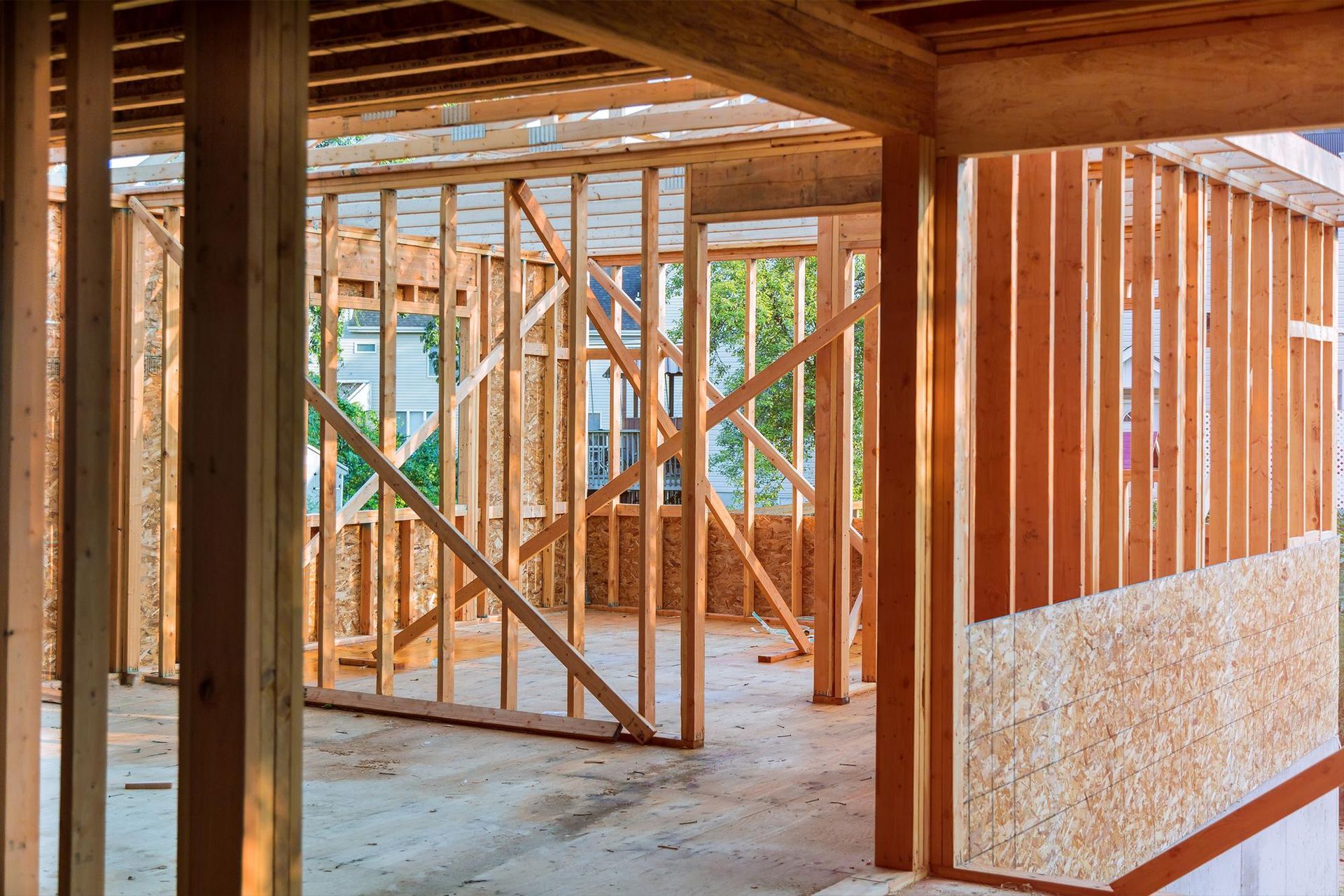
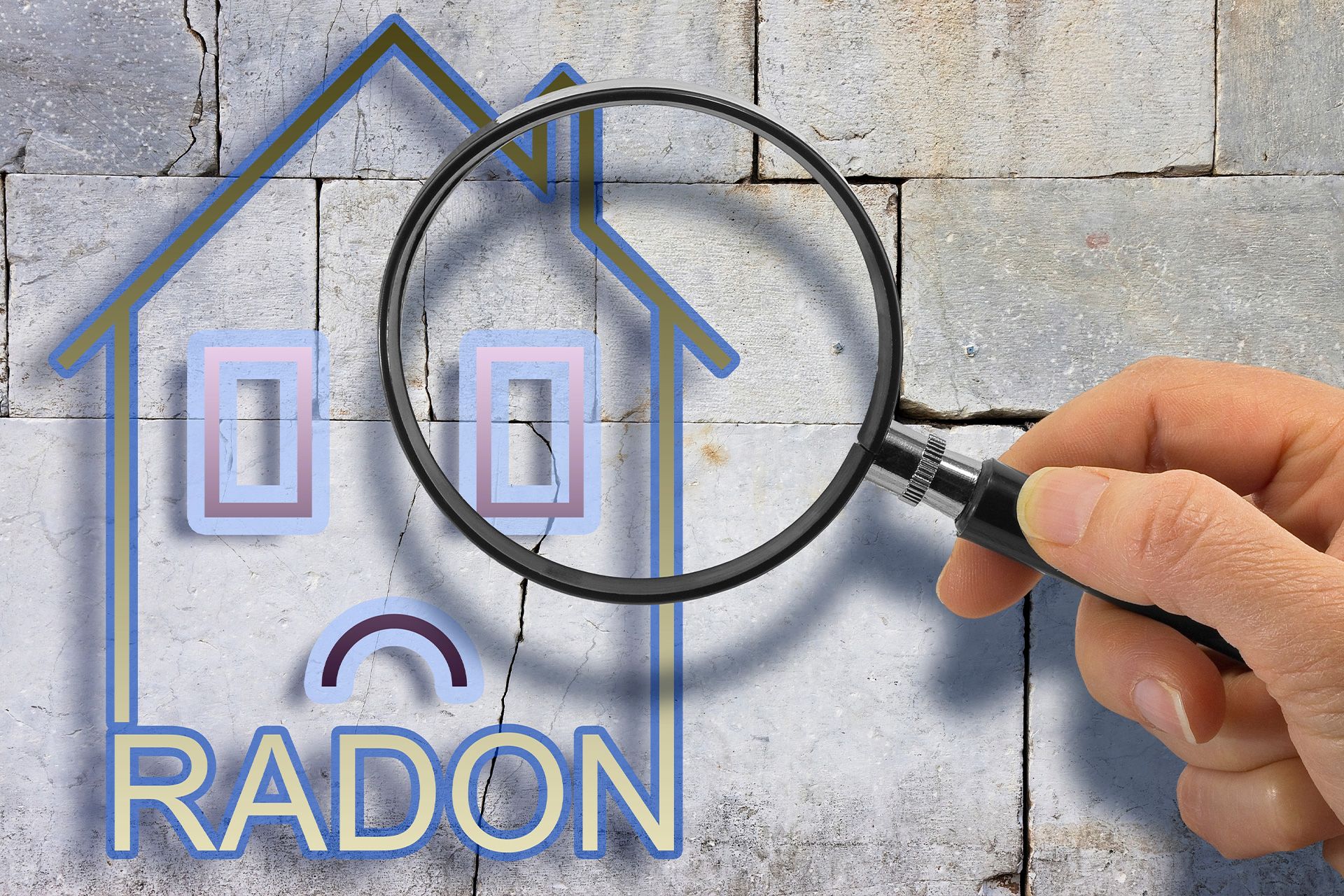
Certified radon testing inspection inside a home
May 11, 2026
Professional radon testing detects invisible gas levels in your home, ensuring safe indoor air quality and protecting your family's health and safety.
April 20, 2026
In this guide, we’ll explore the most common hidden issues found during home inspections and why they matter.
April 13, 2026
Buying or leasing a commercial property is a major financial decision, often involving long-term commitments, significant capital, and operational risks. Unlike residential properties, commercial buildings come with more complex systems, higher usage demands, and stricter safety and compliance requirements. This is why a commercial property inspection is not optional, it’s essential. A professional inspection gives you a clear, unbiased understanding of the building’s condition so you can make informed decisions, avoid unexpected expenses, and negotiate confidently. Whether you're purchasing an office space, retail center, warehouse, or multi-unit building, the inspection process can protect you from costly surprises. What Is a Commercial Property Inspection? A commercial property inspection is a detailed evaluation of a building’s physical condition and major systems. It identifies existing issues, potential risks, and maintenance needs that may impact the property’s value or usability. Unlike a simple walkthrough, a commercial inspection is systematic and comprehensive. It evaluates everything from structural integrity to mechanical systems, safety compliance, and long-term maintenance concerns. The goal is simple: reduce risk and provide clarity before you invest. Why Commercial Inspections Matter So Much Commercial properties are often high-value assets with multiple stakeholders involved, investors, tenants, lenders, and business owners. Even minor defects can lead to major financial consequences if left undetected. Here’s why inspections are critical. 1. Uncover Hidden Structural Issues The structural integrity of a building is one of the most important aspects of any commercial property. Unfortunately, many serious issues are not visible during a standard property tour. A professional inspection evaluates: Foundation stability Load-bearing walls Roofing structure Flooring systems Signs of settlement or shifting Structural problems can be extremely expensive to repair and may even render a property unsafe if ignored. By identifying these issues early, you avoid investing in a property that could become a financial burden. 2. Evaluate Electrical and Mechanical Systems Commercial buildings rely heavily on complex electrical and mechanical systems. These systems are more demanding than residential setups and often require significant upgrades or repairs over time. An inspection typically assesses: Electrical panels and wiring HVAC systems and ductwork Ventilation and airflow efficiency Emergency backup systems Faulty systems can lead to downtime, safety hazards, or high utility costs. Identifying inefficiencies early helps you plan repairs or negotiate pricing adjustments. 3. Identify Plumbing and Water-Related Risks Plumbing issues in commercial properties can escalate quickly due to higher usage and larger infrastructure networks. Inspectors check for: Leaks and water damage Pipe corrosion or aging systems Drainage performance Water pressure issues Undetected plumbing problems can lead to mold growth, structural damage, and costly emergency repairs. 4. Ensure Safety and Code Compliance Commercial properties must comply with local building codes, fire safety regulations, and accessibility requirements. Failure to meet these standards can result in legal issues, fines, or operational restrictions. A commercial inspection helps identify: Fire safety risks Emergency exit accessibility Structural code violations General safety hazards This is especially important for businesses that need to pass regulatory inspections before opening or renewing licenses. 5. Understand Long-Term Maintenance Costs One of the biggest advantages of a commercial inspection is gaining insight into future maintenance needs. Instead of reacting to breakdowns, you can plan ahead for: Roof replacement timelines HVAC system upgrades Exterior repairs Parking lot or drainage improvements This allows property owners and investors to build realistic financial forecasts and avoid unexpected capital expenditures. 6. Strengthen Negotiation Power A detailed inspection report gives buyers a strong advantage during negotiations. If issues are found, you can: Request repairs before closing Negotiate a lower purchase price Ask for seller concessions Plan post-purchase budgeting Without an inspection, buyers often lose leverage and risk overpaying for a property that requires significant repairs. 7. Protect Your Investment and Reduce Risk Commercial real estate is a long-term investment, and every decision impacts profitability. An inspection helps reduce uncertainty and protects your capital. Whether you plan to lease, occupy, or resell the property, understanding its condition ensures smarter decision-making and reduces long-term financial risk. 8. Improve Tenant Satisfaction and Retention If you are purchasing or managing a rental commercial property, building conditions directly affect tenant satisfaction. Well-maintained properties: Attract higher-quality tenants Reduce vacancy rates Increase lease renewal rates Command better rental prices Regular inspections help maintain property standards and ensure tenants remain satisfied and safe. 9. Avoid Unexpected Business Disruptions For business owners, building issues can interrupt operations. HVAC failures, plumbing leaks, or electrical problems can force downtime and revenue loss. A commercial inspection helps identify risks before they turn into operational emergencies, ensuring business continuity. When Should You Get a Commercial Inspection? You should schedule a commercial inspection in the following situations: Before purchasing a commercial building Before signing a long-term lease Before renovating or remodeling During annual property maintenance planning When purchasing older or previously occupied buildings Early inspection is always better than reactive repair. What a Commercial Inspection Report Includes A professional report is detailed and easy to understand. It typically includes: Summary of findings Photographic documentation Severity ratings of issues Safety concerns Recommended repairs or maintenance Cost-impact considerations This helps stakeholders make clear, informed decisions without confusion. Choosing the Right Inspection Partner Matters Not all inspection services are the same. Commercial properties require experience, attention to detail, and technical expertise. A qualified inspector should provide: Industry-standard evaluation methods Clear and unbiased reporting Strong technical knowledge of building systems Practical recommendations for repairs and maintenance Working with the right inspection company ensures accuracy and confidence in your investment decision. Final Thoughts A commercial property is more than just a building, it’s a long-term financial asset. Without a proper inspection, you are taking on unnecessary risk that could lead to expensive repairs, compliance issues, or lost revenue. A thorough commercial inspection provides clarity, confidence, and control. It helps you understand exactly what you are investing in and prepares you for the future with realistic expectations. Whether you're buying, leasing, or managing a property, inspections are one of the smartest steps you can take before making any major decision. Book your commercial property inspection today to protect your investment and make confident real estate decisions. FAQs
April 6, 2026
This guide breaks down a complete home inspection checklist for Colorado homebuyers so you know exactly what gets evaluated, and why it matters.
October 1, 2025
How would you know your water is contaminated if it’s clear? There’s a good chance you can’t tell but what if behind all that clarity, dangerous contaminants were lurking, such as arsenic, nitrates, and dangerous bacteria? This is a frightening situation, and it’s happening to you if you depend on a private well.

Contact Us