How to Beat a Radon Inspection: Accurate Testing, Mitigation, and Retesting
A radon inspection can add stress during a home sale, especially when sellers worry an elevated result could delay closing or require additional work. Don't try to influence the reading by changing ventilation, moving the device, or interfering with testing conditions.
The right approach is much simpler. Get an accurate measurement, understand the result, reduce elevated levels when needed, and verify the improvement afterward. Radon can be managed, but the process works best when homeowners treat the measurement as useful information rather than something they need to defeat.
If you are wondering how to beat radon inspection concerns before listing a property, the goal is to prepare early and honestly address the actual level.
Start Before The Real Estate Deadline
One of the most useful things a seller can do is test early.
Waiting until a buyer is already under contract can create unnecessary pressure. If elevated levels appear late in the transaction, you may have little time to understand the results, arrange mitigation, and confirm the system is working before closing.
Testing before listing gives you more control over the timeline. It allows you to learn whether the property has a concern before a buyer does.
Complete a radon test according to the device instructions and accepted testing procedures. Reliable results give you a starting point for deciding whether you need to take further action.
Early testing can also help avoid rushed decisions. If the result is low, you have useful documentation. If it is elevated, you have time to address it properly.
Do Not Try To Change The Reading
Opening windows, moving the monitor, placing the device elsewhere in the house, or changing normal conditions during the measurement can make the result unreliable.
These actions do not fix radon. They only affect the conditions under which the measurement was taken.
Short-term testing commonly requires closed-house conditions. This generally means keeping windows closed, using exterior doors only for normal entry and exit, and avoiding equipment that brings large amounts of outside air indoors.
The purpose is to measure the home under consistent conditions.
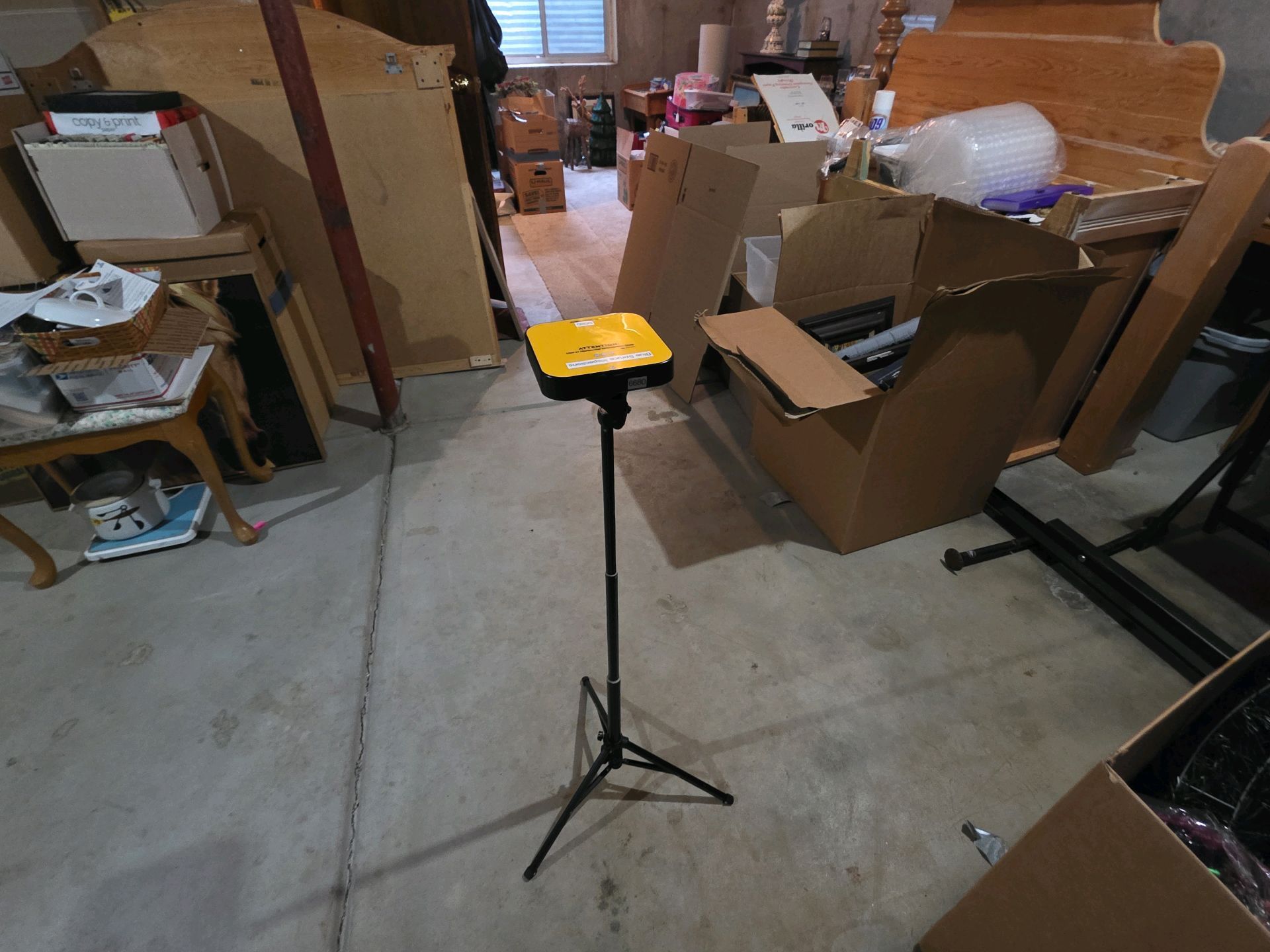
Professional monitoring equipment may also record movement, pressure changes, interruptions, and hourly readings. If testing conditions seem unusual, you may need to repeat the measurement.
Accurate information protects both buyers and sellers because everyone is making decisions based on the same property conditions.
Understand What The Number Means
Radon is measured in picocuries per liter, written as pCi/L.
EPA recommends taking action to reduce the gas when a home measures 4 pCi/L or higher. Homeowners may also consider reducing levels between 2 and 4 pCi/L because no level of exposure is completely risk-free.
One measurement doesn't tell you everything about how a home behaves throughout the year. The levels can change with weather, seasons, pressure differences, soil conditions, and how the house is used.
That is why it is important to view the result as a measurement taken under defined conditions, not a permanent number attached to the house.
If results are elevated, the next step is usually to determine whether confirmation or mitigation is appropriate.
Know The Difference Between Confirmation And Retesting
Homeowners sometimes assume every elevated reading means the exact same next step. That is not always the case.
Depending on the testing method, results, transaction timeline, and applicable guidance, a second measurement may be appropriate before deciding on mitigation.
A longer-term measurement provides information about average radon conditions over a longer period, while a short-term measurement provides faster results.
In a real estate transaction, timing often matters. Buyers and sellers should follow the testing protocol and ask the qualified measurement professional how to interpret the results.
The key is consistency. Don't use a second radon test as an excuse to keep measuring until you get a preferred number. Its purpose is to provide reliable information for the next decision.
Fix The Source Instead Of Trying To Hide It
If testing confirms elevated radon, mitigation is the practical solution.
Most common mitigation systems reduce the amount of soil gas entering the house. A typical active soil depressurization system uses piping and a fan to create lower pressure beneath the foundation.
Instead of letting radon-rich soil gas enter the living area, the system draws it from beneath the house and vents it outdoors so it can disperse.
The exact system depends on factors such as:
- Foundation type: Basement, slab, and crawlspace homes may require different system designs.
- Building layout: Larger or more complex foundations may need more than one suction location.
- Existing openings: Sump areas, crawlspaces, joints, and other foundation features may affect system design.
- Soil conditions: The material beneath the home can influence how easily air moves below the foundation.
A qualified mitigation professional can evaluate these factors and recommend an appropriate approach.
Why Opening Windows Is Not A Mitigation Plan
Homeowners may notice that increased ventilation sometimes changes an indoor radon reading. That does not make opening windows a permanent solution.
Windows cannot remain open year-round through cold weather, storms, heat, security concerns, or periods when no one is home. Ventilation changes may also produce unpredictable results depending on indoor and outdoor pressure conditions.
Most importantly, temporarily lowering a measurement does not address radon entering from the soil.
A permanent mitigation system is designed to control that pathway continuously rather than depend on homeowner behavior.
If the home has an elevated level, focus on correcting the building condition rather than changing the environment for a few days.
What Happens After A Mitigation System Is Installed?
Installation is not the end of the process.
After mitigation work is complete and the system is operating normally, another measurement should confirm whether indoor levels have decreased.
This step matters because a running fan alone doesn't prove indoor concentrations are lower. The system must be evaluated by measuring the indoor air again.
Post-mitigation testing for radon provides that confirmation.
Keep the original results, mitigation documentation, and follow-up measurement together. These records can help with future property ownership and may also help during a later sale.
Learn How To Monitor The System
Active radon systems typically include an indicator that helps show whether the system is creating suction.
Homeowners should become familiar with what the normal indicator position looks like. A major change could suggest that the fan has stopped, the piping has been affected, or the system needs attention.
The fan should also remain powered as designed.
Simple habits can help:
- Look at the system indicator periodically.
- Listen for major changes in fan sound.
- Do not unplug the fan without professional guidance.
- Keep visible piping protected from damage.
- Retest the property periodically.
The system may operate quietly in the background, but it still deserves routine attention.
Retest Even After A Good Result
Radon conditions can change.
Foundation work, renovations, HVAC changes, finishing a basement, occupancy changes, and other building modifications can affect airflow and pressure. Seasonal and soil conditions also vary.
EPA recommends periodic retesting even when previous results were low. Retesting is also important after major renovations or changes to the lowest occupied level.
For homes with mitigation systems, periodic measurements help confirm the system continues to perform as expected.
Treat today's successful result as useful information, not a lifetime guarantee.
How To Beat Radon Inspection The Right Way
The best strategy is not a trick.
Start early. Measure accurately. If the level is elevated, address the condition with a proper mitigation system. Then verify the improvement with another measurement.
Trying to manipulate the environment may only invalidate the result and delay the transaction. Correcting the actual radon condition creates a more useful outcome for the current homeowner and the next person who lives in the property.
This is a practical way to address inspection concerns without sacrificing accuracy or safety.
Common Mistakes To Avoid Before Testing
A few avoidable mistakes can make the process harder than necessary:
- Waiting until the last minute: Late testing leaves little room to confirm results, implement mitigation, or retest before a transaction deadline.
- Changing ventilation during testing: Opening windows or using equipment that changes outside-air flow may affect required testing conditions.
- Moving the measurement device: The device should remain where the qualified tester placed it for the required period.
- Turning off an existing mitigation system: A permanent system should normally operate as designed during testing.
- Ignoring an elevated result: Delaying action does not reduce the radon level and may create more pressure later in the transaction.
Preparation is usually much easier than trying to solve everything immediately before closing.
Conclusion
There is no reliable shortcut for passing the inspection. The best approach is to measure the property correctly, understand the result, mitigate elevated levels when necessary, and verify performance afterward.
Blue Spruce Inspections provides professional radon testing to help homeowners, sellers, and buyers understand indoor radon conditions with clear reporting and reliable measurement practices. Our team can help you establish an accurate starting point before you decide on mitigation or a real estate transaction.
Contact Blue Spruce Inspections at 303-317-6654 to schedule your Radon test and get clear information about your home's radon level.
Frequently Asked Questions
Can opening windows help a house pass a radon test?
Opening windows can change indoor air conditions, but doing so during required closed-house testing can invalidate the measurement. It also does not provide a permanent solution for elevated radon.
What happens if radon is above 4 pCi/L?
EPA recommends taking action at 4 pCi/L or higher. Depending on the testing situation, follow-up measurement and professional mitigation may be appropriate.
Can a home with a mitigation system still be sold?
Yes. A mitigation system is not automatically a negative condition. Buyers should review system documentation and recent testing to understand how the system is performing.
How soon should radon be checked after mitigation?
Complete post-mitigation testing after the system is installed and operating normally, following the applicable measurement guidance. This confirms whether indoor levels have been reduced.
Do radon levels stay the same forever?
No. Radon levels can change because of weather, seasons, renovations, foundation changes, ventilation, and other building conditions. Periodic retesting helps track the home's current level.
Disclaimer: The information on this website and blog is for general informational purposes only and is not professional advice. We make no guarantees of accuracy or completeness. We disclaim all liability for errors, omissions, or reliance on this content. Always consult a qualified professional for specific guidance.
Search Blog
Recent Posts