Radon Testing for Schools: What Administrators Need to Know
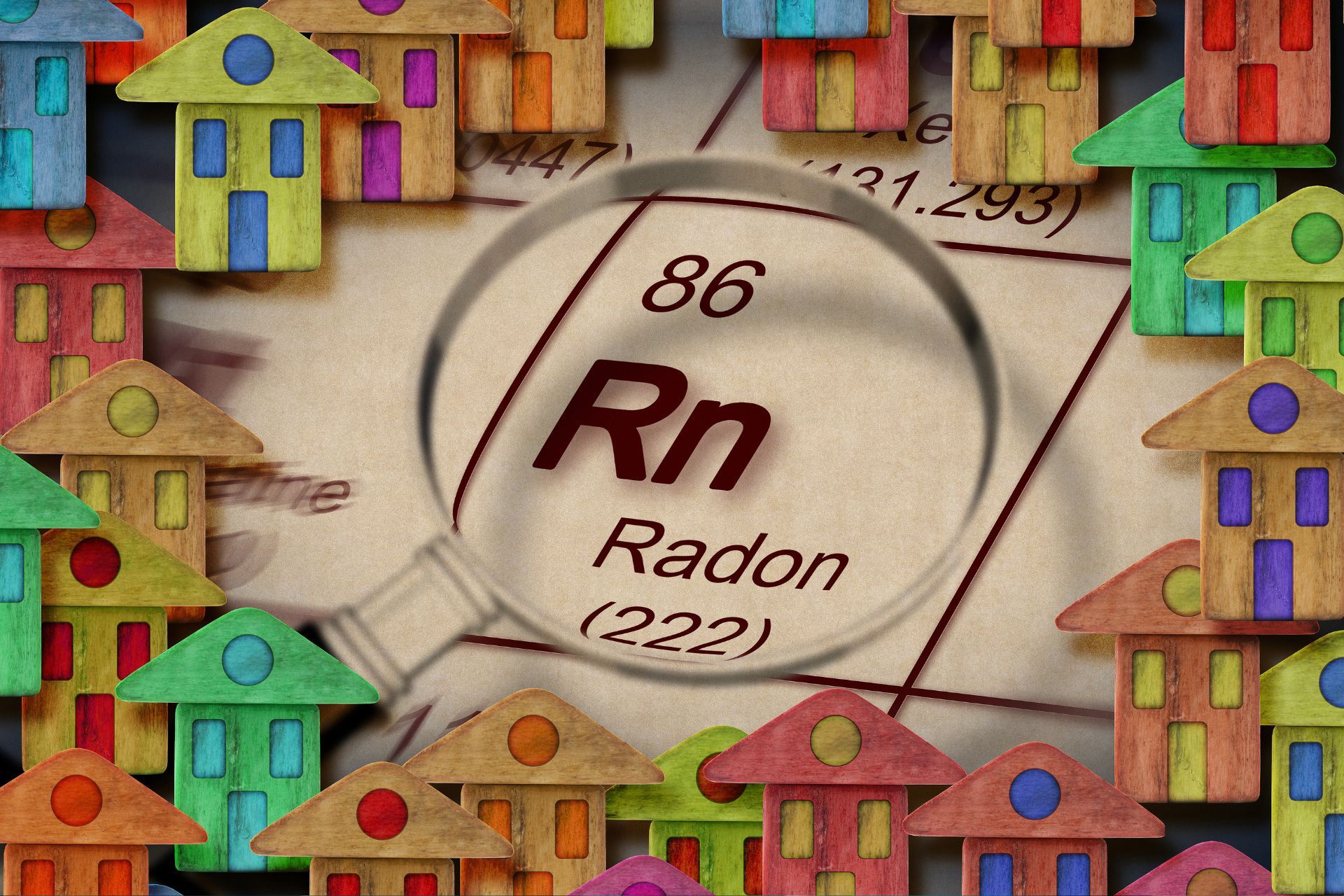
A school building can look well maintained and still have an indoor air concern that no one can see or smell. Radon is a naturally occurring radioactive gas that can enter through openings in floors and foundations. Long-term exposure increases lung cancer risk.
Radon testing for schools gives administrators measured information rather than guesses based on a building's age, appearance, or location. It also helps plan follow-up and communicate with families.
A school program must consider occupied spaces, building operations, and follow-up.
Why One School Building Needs Its Own Plan
Radon enters buildings mainly from the soil beneath them. Air pressure differences can draw soil gas through cracks, joints, and openings around pipes. Two classrooms in the same building may produce different readings because their foundations, airflow, and locations differ.
Radon in schools should therefore be addressed room by room, not based on a nearby house or another campus building. One office reading cannot represent every classroom.
Testing is the only dependable way to determine the concentration. A documented plan is better than one device in a hallway.
Assign Responsibility Before Devices Arrive
Administrators do not need to handle every technical detail personally. They do need clear responsibility for planning, access, records, and follow-up.
The principal or district leader may approve the project. A facilities manager can provide floor plans, explain ventilation schedules, and identify locked rooms. A qualified radon measurement professional can help determine methods, device placement, and quality controls. Assign a contact for families and staff.
Choose one person to maintain the final records. Otherwise, follow-up work may be missed.
Decide Which Spaces Must Be Covered
School testing is different from checking one occupied room in a house. EPA recommends initial measurements in frequently occupied rooms that contact the ground. The applicable standard may call for other locations.
When reviewing floor plans, pay attention to:
- Ground-floor learning rooms: Classrooms, libraries, offices, and other regularly used spaces with contact with the ground should be considered individually.
- Shared activity areas: Cafeterias, gyms, and large rooms may need more than one measurement location depending on their size and layout.
- Portable classrooms: Separate buildings and modular units may have different foundations and should not be assumed to match the main school.
- Rooms above soil-connected spaces: Areas over crawlspaces, tunnels, or other ground-contact spaces may also need attention under the selected standard.
Record room numbers and building sections before deploying the devices. Clear labels keep results tied to rooms.
Schedule Around A Normal School Day
A reliable measurement should reflect the way the school normally operates. EPA school guidance favors short-term measurements during cooler months, with heating and ventilation equipment operating in its normal occupied mode.
For a common two-to-five-day short-term approach, testing takes place on school weekdays rather than during an empty holiday period. Closed-building conditions are important, and advance coordination may be needed before placing the devices.
Administrators should avoid changing normal ventilation settings simply to affect a reading. Construction, unusual weather, or equipment problems may require rescheduling.
Help Staff Protect The Test Conditions
Tell teachers and custodians why devices must stay in place.
Devices should remain in their planned locations and should not be touched, covered, opened, or relocated. Windows and exterior doors should follow the required closed-building protocol, apart from normal entry and exit. Staff should also know whom to contact if a device is disturbed or a room becomes unavailable.
These steps protect the value of the measurements.
Ask How Measurement Quality Is Checked
A school program should include more than equipment delivery. Ask the provider how devices are identified, stored, collected, and matched to rooms. Find out what quality checks are included, such as duplicate measurements or control devices where required by the standard.
Request a written explanation of the testing method and how missing or disturbed devices will be handled. This helps prevent gaps in the final report and makes it easier for administrators to explain why the results are dependable.
Understand The Results Without Jumping To Conclusions
Results are usually reported in picocuries per liter of air, abbreviated pCi/L. EPA identifies 4 pCi/L as the action level for schools. A short-term result at or above that level calls for follow-up testing under the recommended school protocol.
One room's result does not represent the entire campus.
Consider the initial results as a map of where more information may be needed. The measurement professional should explain how confirmation measurements will be arranged and which operating conditions must remain comparable.
No risk-free radon level is known, so lower readings are preferable.
Make A Response Plan For Elevated Rooms
Once elevated readings are confirmed, administrators should consult qualified specialists about reducing concentrations in the affected spaces. Solutions should fit the school's foundation and mechanical systems.
Some approaches control soil gas beneath the building. Others may involve carefully designed changes to building pressure or ventilation. Simply opening windows during a measurement is not a lasting correction.
Prioritize affected, regularly occupied rooms and coordinate work with the school calendar. After corrective work, arrange measurements to verify performance. Equipment operation alone cannot verify indoor concentrations.
Communicate Clearly With Families And Staff
A calm, factual message is more helpful than either alarm or silence. Explain why the school is measuring radon, which areas were included, when results will be available, and who will answer questions.
If follow-up is required, describe the next step and give an update when information is confirmed. Do not promise that one measurement guarantees future conditions.
Radon in schools is an environmental management issue. Sharing the plan, results, and follow-up actions can help families understand that the district is addressing a measurable concern through a defined process.
Keep Records That Remain Useful Next Year
A school radon file should help the next administrator or facilities manager understand what happened without rebuilding the history from memory.
Keep these items together:
- Building and room maps: Show each tested space, device location, and building section.
- Measurement details: Retain dates, methods, reports, operating conditions, and any noted disruptions.
- Action records: Include confirmation results, contractor documents, corrective work, and post-work measurements.
- Future reminders: Note when reviews, retesting, or additional checks should be considered after construction or mechanical changes.
Keep records backed up and accessible.
Remember That Conditions Can Change
Renovations, additions, and ventilation changes can alter soil gas movement.
Schools should set a retesting plan based on state rules, the applicable measurement standard, previous findings, and guidance from qualified professionals. A property with a mitigation system also needs checks to confirm that the system continues to work.
Radon testing for schools is most useful as part of an ongoing indoor air quality program rather than a one-time paperwork task.
Check State Requirements Before Starting
Federal guidance is an important starting point, but school requirements vary by state. Colorado regulations address school radon measurements and keeping results on file. Newly constructed schools have specific testing timelines, and remodeling may trigger additional review obligations.
Administrators should check current rules with the state radon program before setting a schedule or hiring a provider. Also confirm that the professional is qualified for school buildings and understands the applicable large-building measurement standard.
The process should produce useful, defensible records.
Conclusion
A responsible program includes room-by-room planning, good scheduling, clear records, and communication. Elevated results need follow-up, and corrective work needs verification.
Blue Spruce Inspections provides radon measurement services in the Denver Metro Area. School administrators can contact our team to discuss their building and confirm whether a school-specific testing scope can be supported.
Contact Blue Spruce Inspections at 303-317-6654 to discuss your radon assessment needs.
Frequently Asked Questions
Should a school test every classroom?
EPA recommends initial measurements in all frequently occupied ground-contact rooms. Other locations may also be required by the applicable school testing standard. A qualified professional can use the building plans to establish the correct list of rooms.
Can a school use a result from a nearby building?
No. Radon concentrations can differ between buildings and even between rooms in the same school. Each building needs measurements that reflect its own foundation and operating conditions.
What if a classroom measures above 4 pCi/L?
The school should arrange follow-up testing using the recommended protocol. If elevated levels are confirmed, administrators should consult qualified professionals about appropriate reduction measures and verify the results afterward.
Can measurements happen during summer vacation?
Some methods and situations allow different schedules, but EPA guidance for common short-term initial school measurements favors cooler months and normal HVAC operation when the building is occupied. Discuss timing with the measurement professional rather than assuming an empty building is representative.
Are school radon rules the same everywhere?
No. States can set different requirements for testing, records, qualified providers, and retesting. Administrators should review their current state requirements and the relevant measurement standard before starting a program.
Disclaimer: The information on this website and blog is for general informational purposes only and is not professional advice. We make no guarantees of accuracy or completeness. We disclaim all liability for errors, omissions, or reliance on this content. Always consult a qualified professional for specific guidance.
Search Blog
Recent Posts